
# Smoked Tomahawk Ribeye Steak with Garlic Herb Butter
## Description
Smoked Tomahawk Ribeye Steak with Garlic Herb Butter is a rich, juicy, and flavorful beef recipe featuring a beautifully dark, smoky crust and a tender, succulent center. This impressive bone-in steak is perfect for backyard barbecues, weekend gatherings, special celebrations, and steakhouse-style dinners at home.
The tomahawk ribeye is famous for its long, exposed rib bone, generous marbling, and dramatic presentation. When cooked slowly over gentle smoke and finished with a hot sear, the steak develops an irresistible crust while maintaining a wonderfully tender interior.
The secret to this delicious smoked tomahawk steak is a combination of simple seasonings, controlled cooking temperatures, and high-quality beef. Coarse black pepper, kosher salt, garlic powder, smoked paprika, and fresh herbs create a flavorful coating that complements the natural richness of the ribeye.
A slow-smoking process allows the beef to absorb a subtle wood-fired aroma. Finishing the steak over high heat creates the deeply browned crust that makes this recipe especially appetizing. Melted garlic herb butter adds a final layer of savory flavor.
Whether you are an experienced barbecue enthusiast or preparing your first large bone-in ribeye, this recipe provides simple instructions for achieving restaurant-quality results.
## Recipe Information
– Prep Time: 20 minutes
– Smoking Time: 1½–3 hours
– Searing Time: 4–6 minutes
– Resting Time: 10–15 minutes
– Total Time: Approximately 2–3½ hours
– Servings: 4
– Course: Main Course
– Cuisine: American
– Cooking Method: Smoker and Grill
– Difficulty Level: Moderate
## Ingredients
### For the Tomahawk Ribeye Steak
– 1 large tomahawk ribeye steak (3–4 pounds, approximately 2½–3 inches thick)
– 2 tablespoons olive oil
– 1½ tablespoons kosher salt, or to taste
– 1 tablespoon coarsely ground black pepper
– 2 teaspoons garlic powder
– 1 teaspoon onion powder
– 1 teaspoon smoked paprika
– 1 teaspoon dried rosemary
– 1 teaspoon dried thyme
### For the Garlic Herb Butter
– 4 tablespoons unsalted butter, softened
– 3 garlic cloves, finely minced
– 1 tablespoon fresh parsley, chopped
– 1 teaspoon fresh rosemary, chopped
– 1 teaspoon fresh thyme leaves
– ½ teaspoon freshly cracked black pepper
– 1 teaspoon fresh lemon juice
### Optional Garnish
– Fresh rosemary sprigs
– Fresh thyme
– Flaky sea salt
– Additional melted butter
## Instructions
### Step 1: Prepare the Tomahawk Steak
Remove the tomahawk ribeye steak from its packaging and place it on a large cutting board.
Use paper towels to pat the entire steak thoroughly dry. Removing surface moisture is essential for developing a flavorful crust during cooking.
Inspect the outer fat layer and trim only excessive pieces if necessary. Leave most of the fat intact because it contributes richness and helps prevent the meat from drying out.
If time allows, season the steak with salt and refrigerate it uncovered on a rack for 12–24 hours before cooking. This dry-brining method helps season the meat and improves browning.
If you choose this method, do not add the full amount of salt again when preparing the seasoning mixture.
### Step 2: Prepare the Seasoning
In a small bowl, combine kosher salt, coarse black pepper, garlic powder, onion powder, smoked paprika, dried rosemary, and dried thyme.
Mix until the spices are evenly distributed.
Brush the steak lightly with olive oil. The oil helps the seasonings adhere to the surface.
Sprinkle the seasoning mixture generously over both sides and around the edges of the steak.
Gently press the spices into the beef to create a uniform coating.
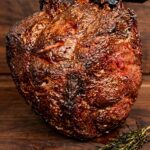
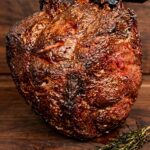
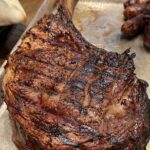
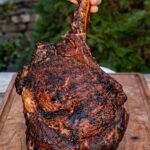
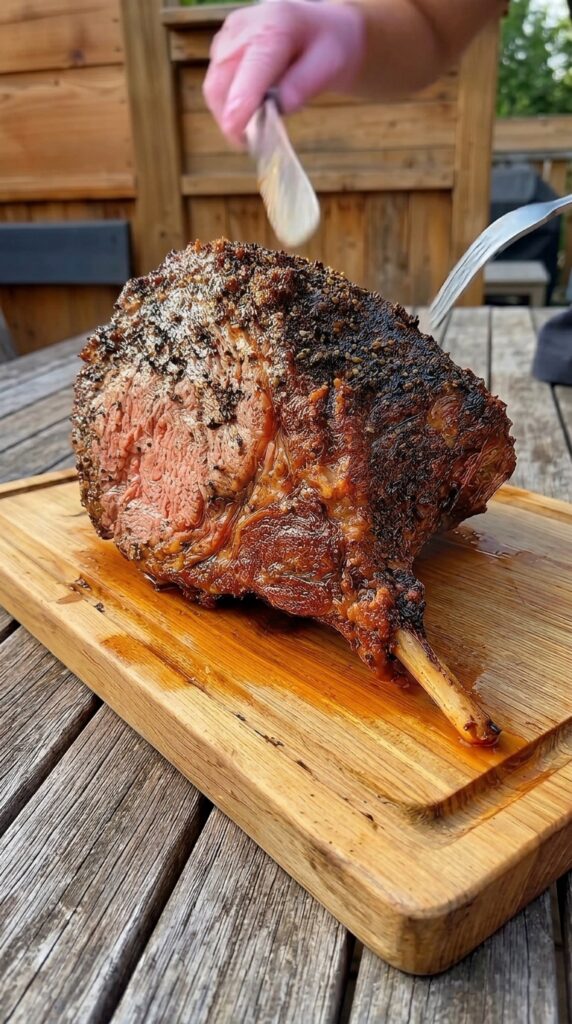
For a crust similar to the one shown in the picture, use coarsely cracked black pepper instead of finely ground pepper. This creates a more textured exterior.
### Step 3: Preheat the Smoker
Preheat your smoker to 225°F (107°C).
Choose hardwood pellets or wood chunks such as oak, hickory, or pecan.
Oak produces a balanced smoky flavor, while hickory creates a stronger barbecue aroma. Pecan provides a slightly milder, nutty smokiness that pairs beautifully with beef.
Allow the smoker to reach a steady temperature before adding the steak.
Avoid producing excessive thick white smoke, which can create an unpleasant bitter flavor.
A clean, light stream of smoke is ideal for cooking this premium cut.
### Step 4: Smoke the Tomahawk Ribeye
Place the seasoned tomahawk steak directly onto the smoker grate.
Position the thickest section of the meat away from intense direct heat.
Close the smoker lid and allow the steak to cook slowly.
Smoke for approximately 1½–3 hours, depending on the thickness of the steak and the performance of your smoker.
Insert a reliable meat thermometer into the thickest section without touching the bone.
If following USDA food-safety guidance, the finished steak should reach at least 145°F (63°C) and rest for a minimum of three minutes.
For the reverse-sear method, begin preparing the finishing grill when the internal temperature reaches approximately 130–135°F (54–57°C). The final searing step will raise the temperature further, so continue checking until the finished steak reaches 145°F.
### Step 5: Prepare the Garlic Herb Butter
While the steak smokes, prepare the garlic herb butter.
In a small mixing bowl, combine the softened butter, minced garlic, chopped parsley, rosemary, thyme, black pepper, and lemon juice.
Stir until smooth and well combined.
The garlic provides a bold savory flavor, while the herbs add freshness and aroma.
Place the butter in the refrigerator until ready to use.
For convenient serving, you can shape it into a small log using parchment paper and slice it into rounds once chilled.
### Step 6: Sear the Steak
Preheat a grill or heavy cast-iron skillet over high heat.
Once the grill is hot, carefully transfer the smoked steak onto the cooking surface.
Sear for approximately 2–3 minutes per side, adjusting the time depending on the steak’s thickness and internal temperature.
The exterior should develop a deep brown crust with lightly charred edges.
Avoid pressing the steak down with a spatula, as doing so can squeeze moisture from the meat.
Rotate the steak slightly if necessary to brown the edges evenly.
Because tomahawk steaks are thick, check the internal temperature carefully during searing. Continue cooking as needed until the center reaches the recommended safe temperature.
### Step 7: Add the Garlic Herb Butter
During the final stage of searing, place a generous spoonful of prepared garlic herb butter over the steak.
Allow the butter to melt naturally across the hot surface.
Using a spoon, gently baste the beef with the melted butter and cooking juices.
The butter combines with the smoked seasoning to produce a rich, aromatic coating.
If cooking in a skillet, reduce the heat before adding the butter to prevent the garlic from burning.
### Step 8: Rest the Steak
Transfer the finished steak onto a clean wooden cutting board.
Loosely cover it with aluminum foil and allow it to rest for 10–15 minutes.
Resting helps the meat retain moisture when sliced.
Avoid cutting into the steak immediately after cooking, because the juices can escape onto the cutting board.
The internal temperature may continue to rise slightly during this period.
### Step 9: Slice and Serve
Place the rested tomahawk steak on a sturdy cutting board.
Using a sharp knife, carefully slice along the rib bone to separate the meat.
Cut the ribeye into thick slices against the grain.
Arrange the slices on a serving platter or wooden board alongside the bone for an impressive presentation.
Drizzle with any remaining garlic herb butter and sprinkle lightly with flaky sea salt if desired.
Serve immediately with your favorite barbecue side dishes.
## Recipe Notes
The quality of the beef is one of the most important factors in this recipe. Choose a tomahawk ribeye with visible marbling distributed throughout the meat.
A thick-cut steak is ideal for smoking because it can develop a flavorful exterior before the inside becomes overcooked.
Smoking time should always be considered an estimate. The thickness of the steak, outdoor temperature, and smoker performance can affect cooking time.
Using a digital thermometer is far more reliable than depending only on visual appearance.
For a stronger smoky flavor, choose hickory wood. For a gentler, more balanced flavor, oak or pecan works beautifully.
If you do not own a smoker, this recipe can also be prepared using the indirect-heat section of a charcoal grill. Add a small amount of hardwood for additional smoke.
## Tips for the Perfect Smoked Tomahawk Steak
### 1. Select a Thick, Well-Marbled Steak
A thick tomahawk ribeye cooks more evenly during slow smoking. Good marbling contributes tenderness and rich beef flavor.
### 2. Dry the Meat Thoroughly
Excess surface moisture interferes with browning. Patting the steak dry helps the seasoning adhere and produces a better crust.
### 3. Use Coarse Black Pepper
Coarse black pepper creates the bold, textured barbecue crust visible in the finished steak.
### 4. Maintain a Steady Smoking Temperature
Keep the smoker near 225°F throughout the cooking process. Large temperature fluctuations can affect cooking consistency.
### 5. Avoid Excessive Smoke
Too much smoke can overpower the natural flavor of ribeye. A moderate amount of clean hardwood smoke produces the best balance.
### 6. Sear Over High Heat
A quick, hot sear creates a rich outer crust. Make sure the grill or skillet is properly heated before adding the steak.
### 7. Rest Before Carving
Allowing the steak to rest helps retain moisture and makes slicing easier.
## Serving Ideas
Smoked Tomahawk Ribeye Steak pairs beautifully with classic barbecue and steakhouse side dishes.
Creamy garlic mashed potatoes are an excellent choice because their smooth texture complements the rich beef.
Grilled asparagus, buttered corn on the cob, roasted carrots, and sautéed mushrooms provide additional flavor and color.
For a traditional American barbecue dinner, serve the steak with baked potatoes, coleslaw, grilled vegetables, and warm dinner rolls.
A fresh green salad with lemon vinaigrette adds brightness and helps balance the richness of the meat.
Garlic bread, roasted Brussels sprouts, or loaded baked potatoes are also delicious accompaniments.
For sauces, consider homemade chimichurri, creamy horseradish sauce, or a simple pan sauce made from beef drippings.
## Storage and Reheating
Allow leftover steak to cool slightly before storing.
Place the beef in an airtight container and refrigerate it within two hours of cooking.
Properly refrigerated leftover steak can be stored for 3–4 days.
For longer storage, wrap the meat tightly in freezer-safe packaging and freeze for 2–3 months for best quality.
When reheating, place sliced steak in a baking dish with a small amount of beef broth.
Cover with aluminum foil and warm in a 275°F oven until the leftovers reach 165°F internally.
Avoid prolonged reheating because it can dry out the beef.
Leftover smoked tomahawk steak can also be used for sandwiches, steak salads, beef tacos, or hearty breakfast skillets.
## Nutritional Information
Estimated values per serving, based on four portions from one large bone-in steak with garlic herb butter.
– Calories: Approximately 700–850 kcal
– Protein: 55–65 g
– Total Fat: 50–65 g
– Saturated Fat: 20–27 g
– Carbohydrates: 2–4 g
– Dietary Fiber: Less than 1 g
– Sugar: Less than 1 g
– Sodium: 800–1,100 mg
– Iron: Approximately 4–5 mg
– Zinc: Approximately 9–12 mg
– Vitamin B12: Approximately 3–5 mcg
Nutritional values are estimates and vary depending on the steak’s size, fat content, edible yield, and amount of butter consumed.
## Health and Nutritional Benefits
### Excellent Source of Protein
Tomahawk ribeye steak provides complete protein containing all nine essential amino acids. Protein supports muscle maintenance, tissue repair, and normal body functions.
### Rich in Vitamin B12
Beef is a natural source of vitamin B12, which supports healthy nerve function and red blood cell production.
### Contains Important Iron
Ribeye provides heme iron, which is generally absorbed more efficiently than iron from many plant-based foods. Iron contributes to normal oxygen transport throughout the body.
### Provides Zinc
Zinc supports normal immune function, wound healing, and various cellular processes.
### Contains Essential B Vitamins
Beef supplies B vitamins, including niacin and vitamin B6, which help the body use energy from food.
### Naturally Low in Carbohydrates
The steak itself contains very few carbohydrates, making it suitable for many lower-carbohydrate eating patterns.
However, ribeye is relatively high in saturated fat and calories. Enjoying sensible portions and pairing it with fiber-rich vegetables can help create a more balanced meal.
## Frequently Asked Questions (Q&A)
### 1. What is a tomahawk ribeye steak?
A tomahawk ribeye is a thick, bone-in ribeye steak with a long section of rib bone left attached. Its appearance resembles a tomahawk axe, which gives the steak its name. It is known for rich marbling, tenderness, and an impressive presentation.
### 2. What is the best wood for smoking tomahawk steak?
Oak, hickory, and pecan are excellent choices. Oak offers a balanced flavor, hickory produces stronger smoke, and pecan provides a slightly milder aroma.
### 3. How long does it take to smoke a tomahawk steak?
A thick tomahawk steak generally takes approximately 1½–3 hours at 225°F before the finishing sear. Cooking time varies depending on thickness and smoker conditions. Always use a thermometer rather than relying entirely on time.
### 4. Should I sear the steak before or after smoking?
For this recipe, searing after smoking is recommended. This technique is called reverse searing. It allows the beef to cook gradually before developing a deeply browned outer crust.
### 5. Can I cook tomahawk steak without a smoker?
Yes. You can cook it in an oven at a low temperature and finish it on a hot grill or cast-iron skillet. The flavor will be less smoky, but the steak can still develop a delicious crust.
### 6. Why is my smoked steak dry?
Dry steak can result from overcooking, excessive heat, or insufficient resting time. Use a meat thermometer, avoid prolonged cooking beyond the desired final temperature, and rest the steak before slicing.
### 7. Can I prepare the seasoning in advance?
Yes. The dry seasoning blend can be mixed several days ahead and stored in an airtight container. You can also dry-brine the steak overnight for improved flavor and browning.
### 8. What temperature should tomahawk steak reach?
The USDA recommends cooking whole beef steaks to a minimum internal temperature of 145°F (63°C), followed by at least a three-minute rest. Check the thickest part of the steak without touching the bone.
### 9. Is tomahawk steak better than regular ribeye?
Both cuts come from the rib section and offer similar flavor and tenderness. The main difference is presentation: tomahawk steak includes a long rib bone and is typically cut thicker.
### 10. What can I serve with smoked tomahawk steak?
Popular side dishes include garlic mashed potatoes, roasted vegetables, baked potatoes, grilled corn, sautéed mushrooms, and fresh salads. Chimichurri or horseradish sauce also complements the rich beef.
## Final Thoughts
Smoked Tomahawk Ribeye Steak with Garlic Herb Butter is an outstanding choice when you want a flavorful, impressive main course. The combination of slow hardwood smoking, a deeply browned pepper crust, rich marbling, and aromatic garlic butter makes this recipe special.
With proper seasoning, steady cooking temperatures, and careful temperature monitoring, you can prepare a beautiful steakhouse-style meal at home.
Serve this juicy bone-in ribeye with creamy mashed potatoes, grilled vegetables, and your favorite sauce for a satisfying dinner that will impress family and guests alike.