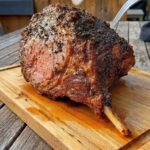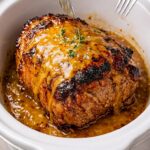

# Garlic Herb Crusted Bone-In Prime Rib Roast Recipe
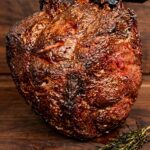
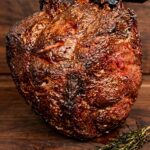
Juicy, tender, oven-roasted beef with a deeply golden, crispy garlic and herb crust.
## Description
Garlic Herb Crusted Bone-In Prime Rib Roast is an impressive beef dish that combines rich, juicy meat with a flavorful, beautifully browned exterior. Inspired by a traditional standing rib roast, this recipe is perfect for holiday dinners, family gatherings, special celebrations, or a comforting Sunday meal.
The secret to making an unforgettable prime rib roast is choosing a quality bone-in cut, seasoning it generously, and roasting it carefully at the right temperature. The bones help create a flavorful roast, while the outer fat develops a delicious crust that keeps every slice satisfying.
Fresh garlic, rosemary, thyme, cracked black pepper, and butter give this roast its signature aroma and savory flavor. An initial blast of high heat creates a beautiful crust, while a lower roasting temperature allows the center to cook more evenly.
Despite its restaurant-quality presentation, this garlic herb prime rib recipe is surprisingly straightforward. With a few simple ingredients and careful temperature monitoring, you can prepare a delicious beef roast that looks spectacular on the dinner table.
## Recipe Information
– Prep Time: 20 minutes
– Cook Time: 2–3 hours, depending on size and temperature
– Resting Time: 25–30 minutes
– Optional Dry Brining: 12–24 hours
– Total Time: Approximately 3–4 hours, excluding optional dry brining
– Servings: 8–10
– Course: Main Course
– Cuisine: American
– Cooking Method: Oven Roasting
– Difficulty: Moderate
## Ingredients
For the Prime Rib Roast
– 1 bone-in prime rib roast (6–7 pounds, approximately 3 ribs)
– 2 tablespoons olive oil
– 3 tablespoons unsalted butter, softened
– 6 garlic cloves, minced
– 2 tablespoons fresh rosemary, finely chopped
– 1 tablespoon fresh thyme leaves
– 1 tablespoon kosher salt, or to taste
– 2 teaspoons freshly cracked black pepper
– 1 teaspoon smoked paprika
– 1 teaspoon onion powder
For the Optional Pan Sauce
– 1 cup low-sodium beef broth
– ½ cup dry red wine, optional
– 1 tablespoon unsalted butter
– 1 teaspoon Worcestershire sauce
– Salt and black pepper to taste
## Instructions
### Step 1: Prepare the Prime Rib Roast
Remove the beef roast from its packaging and place it on a large cutting board or rimmed baking sheet.
Pat the entire surface thoroughly dry using paper towels. Removing excess moisture is important because a dry exterior browns much more effectively during roasting.
Check the fat covering the roast. A thin, even layer is desirable because it helps develop a flavorful crust. Trim away only excessive, thick sections of fat.
If possible, prepare the roast the night before cooking by seasoning it with salt and refrigerating it uncovered on a rack for 12–24 hours. This dry-brining process helps season the beef and produces a better crust.
If you are short on time, you can proceed directly with the recipe.
### Step 2: Prepare the Garlic Herb Butter
In a small mixing bowl, combine the softened butter, olive oil, minced garlic, chopped rosemary, thyme, cracked black pepper, smoked paprika, and onion powder.
Add the kosher salt if you have not already dry-brined the roast.
Mix everything until you have a thick, fragrant seasoning paste.
The butter provides richness, while the garlic and fresh herbs add savory flavor. Smoked paprika contributes a little color and a subtle smoky aroma.
Set the mixture aside while preparing the roasting pan.
### Step 3: Season the Beef
Place the roast bone-side down on a sturdy roasting rack inside a large roasting pan.
Using clean hands or a spatula, spread the garlic herb butter mixture evenly over the top and sides of the beef.
Gently massage the seasoning into the surface, making sure every exposed section is coated.
Pay particular attention to the fat cap, as this is where much of the delicious golden crust will develop.
If the roast was already dry-brined, do not add another full amount of salt.
Allow the seasoned roast to stand briefly while the oven preheats. Avoid leaving raw beef at room temperature for longer than two hours in total.
### Step 4: Preheat the Oven
Preheat your oven to 450°F (232°C).
Position an oven rack in the lower-middle section so there is enough space for the tall bone-in roast.
A properly preheated oven is essential for creating the deeply browned exterior that makes prime rib so appetizing.
Place the prepared roast into the oven with the bones underneath and the fat side facing upward.
### Step 5: Roast at High Heat
Cook the prime rib at 450°F for approximately 15 minutes.
During this initial roasting stage, the outer fat begins to render, and the seasoning develops a rich brown color.
A beautiful crust forms as the natural proteins and sugars on the meat’s surface react to the high heat.
The kitchen will begin filling with the delicious aroma of roasted garlic, herbs, and beef.
Avoid repeatedly opening the oven door because this releases heat and interferes with consistent cooking.
### Step 6: Reduce the Oven Temperature
After the initial 15 minutes, reduce the oven temperature to 325°F (163°C) without removing the roast.
Continue cooking until the meat approaches your desired internal temperature.
For a 6–7-pound bone-in rib roast, the total oven time may be around 2–3 hours, although the exact time varies depending on thickness, oven performance, and starting temperature.
Use a reliable meat thermometer inserted into the thickest part of the beef without touching any bones.
For USDA-recommended food safety, beef roasts should reach a minimum internal temperature of 145°F (63°C), followed by at least a three-minute rest.
Because the temperature continues rising during resting, you can begin checking closely when the center reaches approximately 135–140°F. Confirm the final temperature reaches 145°F.
### Step 7: Rest the Roast
Once the prime rib has reached the appropriate temperature, remove it carefully from the oven.
Transfer the roast to a clean cutting board and loosely cover it with aluminum foil.
Allow it to rest for approximately 25–30 minutes before carving.
This step is essential because the moisture inside the roast redistributes during resting.
Cutting into the beef immediately can cause unnecessary moisture loss, leaving the meat less juicy.
A properly rested roast will be easier to carve and produce more attractive slices.
### Step 8: Prepare the Optional Pan Sauce
While the beef rests, carefully pour most of the excess fat from the roasting pan, leaving the flavorful browned drippings.
Place the pan over medium heat if it is stovetop-safe, or transfer the drippings into a saucepan.
Add the beef broth, red wine if using, and Worcestershire sauce.
Scrape the browned bits from the bottom of the pan and stir them into the liquid.
Simmer for approximately 5–8 minutes until slightly reduced.
Stir in the butter, taste, and adjust the seasoning.
Strain the sauce if you prefer a smoother consistency.
### Step 9: Carve and Serve
Position the rested roast on a large cutting board with the rib bones facing upward or to the side.
Using a sharp carving knife, carefully separate the meat from the bones by following their natural curve.
Set the bones aside, then cut the roast into thick, even slices.
Arrange the sliced beef on a warm serving platter.
Spoon a small amount of the flavorful pan sauce over the meat or serve it separately.
Garnish with fresh rosemary and serve immediately with your favorite side dishes.
## Recipe Notes
Choosing the right beef cut is important. Look for a well-marbled standing rib roast with a generous but not excessive layer of fat. USDA Prime or Choice grades are both suitable.
Bone-in roasts offer excellent flavor and presentation. The bones also create a natural roasting rack, allowing heat to circulate underneath the beef.
Fresh rosemary and thyme provide a stronger aroma than dried herbs, although dried herbs can be used in smaller amounts when fresh ingredients are unavailable.
A meat thermometer is strongly recommended. Cooking times are estimates, and relying entirely on the clock may lead to an overcooked or undercooked roast.
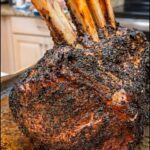
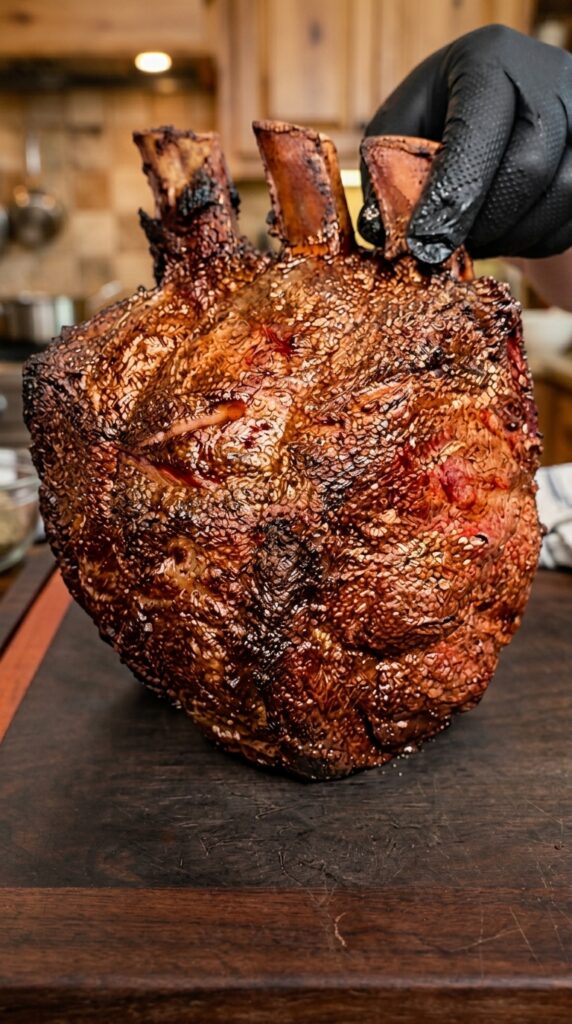
For a darker, more textured crust like the roast pictured, dry the beef thoroughly, use coarse black pepper, and avoid covering it during cooking. Watch the herb crust carefully to prevent burning.
## Tips for the Best Garlic Herb Prime Rib
1\. Choose well-marbled beef. Marbling contributes flavor and tenderness, making each slice richer and more satisfying.
2\. Dry the roast thoroughly. Surface moisture creates steam, which can prevent the exterior from developing a crisp crust.
3\. Season ahead of time. Dry brining overnight helps produce a deeply seasoned roast.
4\. Use fresh garlic carefully. Finely minced garlic distributes evenly, but large pieces exposed to high heat may burn and taste bitter.
5\. Avoid overcooking. Begin monitoring the internal temperature well before the estimated cooking time ends.
6\. Always rest before slicing. A resting period helps preserve moisture and improves the final texture.
7\. Carve against the grain. Proper slicing shortens the muscle fibers and produces more tender pieces.
## Serving Ideas
Garlic Herb Crusted Bone-In Prime Rib pairs beautifully with traditional American side dishes.
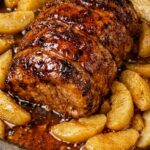
Creamy mashed potatoes are an excellent choice because they absorb the savory beef juices. Roasted baby potatoes, buttered green beans, glazed carrots, and sautéed mushrooms also complement the roast.
For a classic holiday dinner, serve the beef with Yorkshire pudding, roasted asparagus, or homemade dinner rolls.
A crisp green salad with a light vinaigrette helps balance the richness of the meat.
Horseradish cream sauce is another popular accompaniment that adds a pleasantly sharp contrast to the buttery roast.
## Storage and Reheating
Allow leftover roast beef to cool slightly, then refrigerate it within two hours of cooking.
Store it in an airtight container in the refrigerator for up to 3–4 days.
For longer storage, wrap individual portions tightly and freeze for approximately 2–3 months for best quality.
To reheat, place the sliced beef in a baking dish with a small splash of beef broth. Cover with foil and warm gently in a 275°F oven until reheated to 165°F for food safety.
Avoid prolonged reheating because it may dry out the meat.
Leftover prime rib also makes excellent beef sandwiches, steak salads, and hearty vegetable soups.
## Nutritional Information
Estimated nutrition per serving, based on 10 servings of a 6–7-pound bone-in roast with the bones removed and excess rendered fat discarded. Actual values vary considerably depending on the cut, portion size, and fat content.
– Calories: Approximately 650–800 kcal
– Protein: 45–55 g
– Total Fat: 50–65 g
– Saturated Fat: 20–27 g
– Carbohydrates: 1–3 g
– Fiber: 0–1 g
– Sugar: Less than 1 g
– Sodium: 650–900 mg
– Iron: Approximately 3–4 mg
– Zinc: Approximately 8–12 mg
These estimates exclude optional sauce and side dishes.
## Health and Nutritional Benefits
Prime rib is a substantial source of complete protein, which provides essential amino acids needed for muscle maintenance, tissue repair, and normal body functions.
Beef also contains vitamin B12, which supports normal nerve function and red blood cell formation.
The iron in beef is primarily heme iron, a form that the body generally absorbs more easily than iron found in plant foods.
Zinc is another important nutrient in beef, contributing to immune function and normal cellular repair.
Fresh rosemary, thyme, and garlic contribute aromatic flavor and small amounts of naturally occurring plant compounds.
However, prime rib is also relatively high in saturated fat and calories. Moderate portions, trimming excess fat, and serving it with vegetables can help make the meal more balanced.
## Frequently Asked Questions (Q&A)
### 1. What is the difference between prime rib and ribeye steak?
Prime rib is typically prepared as a large roast from the beef rib section, while ribeye steaks are individual portions cut from the same general area. Both are known for their marbling, tenderness, and rich beef flavor.
### 2. Should I cook prime rib covered or uncovered?
Prime rib is best roasted uncovered when you want a flavorful, browned exterior. Covering the roast during cooking traps moisture and can soften the crust. Loose foil is useful during the resting stage.
### 3. Why is my prime rib roast tough?
Toughness may result from overcooking, insufficient resting, or slicing in the wrong direction. Choosing a well-marbled cut, monitoring the internal temperature, and carving against the grain will improve tenderness.
### 4. Can I prepare prime rib the night before?
Yes. You can season the roast with salt and refrigerate it uncovered for 12–24 hours. This dry-brining technique improves seasoning and helps the exterior brown more effectively. Apply the garlic herb butter before roasting.
### 5. How do I get a crispy crust on prime rib?
Pat the beef completely dry, salt it ahead of time, and begin roasting in a hot oven. Use a generous amount of cracked black pepper and avoid adding excess liquid to the roasting pan. A roasting rack also helps promote even heat circulation.
### 6. Can I make this recipe without fresh herbs?
Yes. Dried rosemary and thyme can replace fresh herbs. Because dried herbs are more concentrated, use approximately one-third of the listed fresh-herb quantities.
### 7. What is the best way to serve leftover prime rib?
Leftover prime rib is delicious in sandwiches with horseradish sauce, sliced over roasted vegetables, or added to beef and potato hash. Refrigerate leftovers promptly and reheat thoroughly.
## Final Thoughts
Garlic Herb Crusted Bone-In Prime Rib Roast is a wonderful centerpiece for any special meal. Its beautifully browned crust, tender beef, and delicious combination of garlic, butter, and fresh herbs create a memorable dining experience.
The key to success is simple: choose a good cut of beef, season it generously, roast it carefully, monitor its internal temperature, and allow enough time for resting.
Serve this spectacular roast with creamy mashed potatoes, colorful vegetables, and homemade pan sauce for a satisfying, restaurant-style dinner your family and guests will enjoy.