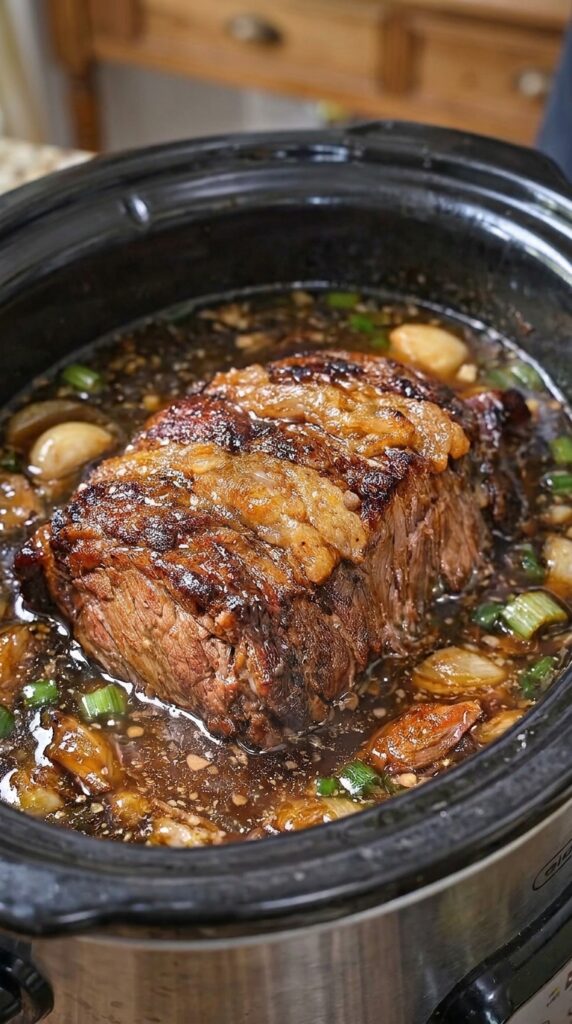
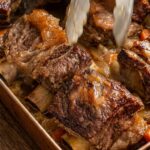
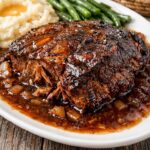
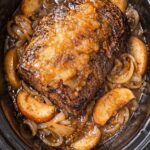
This Slow Cooker Garlic Herb Beef Roast is a rich, comforting meal made with a tender beef chuck roast slowly cooked in a savory broth with whole garlic cloves, onions, Worcestershire sauce, herbs, and seasonings. The long, gentle cooking process allows the beef to become incredibly tender while absorbing all the flavors from the aromatic garlic and seasoned broth.
The result is a juicy roast that can be sliced when cooked just until tender or easily shredded when cooked a little longer. The cooking liquid develops into a flavorful natural gravy that is perfect for spooning over the beef, mashed potatoes, rice, roasted vegetables, or crusty bread.
This recipe is especially convenient because most of the work happens at the beginning. Browning the beef before placing it in the slow cooker adds extra flavor and gives the roast a beautiful caramelized exterior. After that, the slow cooker does nearly all the work.
Prep Time
20 minutes
Cook Time
8–9 hours on LOW
or 4½–5½ hours on HIGH
Total Time
About 8 hours 20 minutes
Servings
6–8 servings
Ingredients
For the Beef Roast
3½–4 lb beef chuck roast
2 tablespoons olive oil
1½ teaspoons salt
1 teaspoon black pepper
1 teaspoon garlic powder
1 teaspoon onion powder
1 teaspoon smoked paprika
1 teaspoon dried thyme
½ teaspoon dried rosemary
For the Slow Cooker Sauce
1 large onion, cut into thick wedges
8–10 whole garlic cloves, peeled
2 cups beef broth
2 tablespoons Worcestershire sauce
1 tablespoon soy sauce
1 tablespoon tomato paste
1 tablespoon brown sugar
1 tablespoon balsamic vinegar
2 tablespoons butter
2 green onions, sliced
1 tablespoon chopped fresh parsley, optional
Optional Gravy
2 tablespoons cornstarch
3 tablespoons cold water
1½ cups cooking liquid from the slow cooker
Instructions
1. Prepare the Beef
Remove the beef roast from the refrigerator about 20–30 minutes before cooking. Pat it thoroughly dry using paper towels. Removing excess moisture helps the beef develop a better brown crust during searing.
Season all sides of the roast with salt, black pepper, garlic powder, onion powder, smoked paprika, thyme, and rosemary. Press the seasonings gently into the surface of the meat.
2. Sear the Roast
Heat the olive oil in a large heavy skillet over medium-high heat.
Once the oil is hot, carefully add the seasoned roast. Sear it without moving it for approximately 3–4 minutes, or until the bottom develops a deep golden-brown crust.
Turn the beef and brown the remaining sides for another 2–4 minutes per side.
This step is optional, but it significantly improves the flavor and appearance of the finished roast.
Transfer the browned beef to a plate.
3. Prepare the Slow Cooker
Place the onion wedges and half of the whole garlic cloves across the bottom of the slow cooker.
Set the browned beef roast directly over the onions and garlic.
Scatter the remaining garlic cloves around the roast.
4. Make the Cooking Sauce
In a medium bowl, whisk together the beef broth, Worcestershire sauce, soy sauce, tomato paste, brown sugar, and balsamic vinegar.
Continue whisking until the tomato paste is mostly dissolved.
Pour the mixture around the beef in the slow cooker. Try to pour most of it around rather than directly over the top so the seasoning crust remains intact.
Place the butter on top of the roast.
5. Slow Cook the Beef
Cover the slow cooker with the lid.
Cook on LOW for approximately 8–9 hours.
For the most tender result, LOW heat is recommended because the beef has more time to slowly break down and become soft and juicy.
You can also cook the roast on HIGH for approximately 4½–5½ hours.
The exact cooking time depends on the size and thickness of the roast and the temperature of your slow cooker.
The beef is ready when a fork slides easily into the meat and it begins to separate with very little pressure.
6. Rest the Roast
Carefully transfer the roast to a large serving platter or cutting board.
Loosely cover it with aluminum foil and allow it to rest for approximately 10–15 minutes.
Resting gives the juices time to redistribute throughout the meat.
7. Finish the Sauce
Taste the cooking liquid in the slow cooker.
Adjust with additional salt or black pepper if necessary.
For a thin au jus-style sauce, simply spoon the liquid over the beef.
For thicker gravy, transfer approximately 1½ cups of cooking liquid to a small saucepan.
Mix the cornstarch and cold water in a small bowl until completely smooth.
Bring the cooking liquid to a gentle simmer and slowly whisk in the cornstarch mixture.
Cook for 2–3 minutes, stirring constantly, until the gravy thickens.
8. Serve
Slice the beef against the grain for neat portions, or gently pull it apart using two forks for shredded beef.
Spoon some of the warm garlic-onion cooking juices or gravy over the top.
Garnish with sliced green onions or fresh parsley.
Serve immediately.
Recipe Notes
Chuck roast is one of the best cuts for this recipe because it contains enough connective tissue and fat to become tender during long, slow cooking.
Do not worry if the beef seems tough halfway through cooking. Toughness usually means it needs additional cooking time. Once the connective tissue fully breaks down, the roast becomes much softer.
If your roast has a thick layer of excess exterior fat, trim some of it before cooking. Leaving a moderate amount of fat helps keep the meat moist.
The whole garlic cloves become very soft and mellow after several hours of slow cooking. They can be mashed directly into the gravy for additional garlic flavor.
For an even deeper beef flavor, substitute ½ cup of the beef broth with additional concentrated beef stock.
Tips for the Best Slow Cooker Beef Roast
Choose a well-marbled chuck roast rather than very lean beef. The fat and connective tissue contribute significantly to tenderness and flavor.
Always pat the roast dry before seasoning and searing. Moist beef tends to steam rather than brown.
Avoid repeatedly lifting the slow cooker lid. Every time the lid is removed, heat escapes and can extend the cooking time.
Cook on LOW whenever possible. While HIGH works when you are short on time, slow cooking generally produces the most tender texture.
Keep enough cooking liquid in the slow cooker to create moisture, but do not completely submerge the beef. The roast naturally releases additional juices as it cooks.
For a stronger herb flavor, add one or two fresh rosemary or thyme sprigs to the slow cooker.
For a slightly sweeter sauce, increase the brown sugar to 2 tablespoons.
For a spicy version, add ½ teaspoon crushed red pepper flakes.
For richer gravy, whisk one tablespoon of butter into the finished gravy immediately before serving.
Serving Suggestions
This beef roast pairs beautifully with mashed potatoes because the potatoes soak up the savory cooking juices.
It is also delicious with roasted potatoes, buttered noodles, steamed rice, cauliflower mash, green beans, roasted carrots, broccoli, Brussels sprouts, or a simple garden salad.
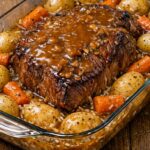
For a comforting Sunday-style meal, serve the roast with creamy mashed potatoes, roasted carrots, and plenty of garlic gravy.
Leftover shredded beef can also be used in sandwiches, wraps, tacos, quesadillas, pasta dishes, or rice bowls.
Storage
Allow leftover beef to cool before storing.
Place it in an airtight container with some of the cooking liquid to prevent the meat from drying out.
Store in the refrigerator for up to 3–4 days.
For longer storage, freeze the beef with a little sauce or gravy in a freezer-safe container for up to 3 months.
Thaw frozen beef overnight in the refrigerator.
Reheat gently in a covered saucepan over low heat or in the microwave. Add a splash of beef broth if the meat seems dry.
Nutritional Information
Approximate nutrition per serving, based on 8 servings:
Calories: 390–450
Protein: 38–42 g
Carbohydrates: 6–8 g
Fat: 23–27 g
Saturated Fat: 9–11 g
Fiber: 1 g
Sugar: 3–4 g
Sodium: 650–800 mg
Iron: Approximately 4 mg
Potassium: Approximately 600–700 mg
Nutritional values are estimates and will vary depending on the exact cut of beef, serving size, broth, and other ingredients used.
Benefits
Beef is naturally rich in high-quality protein, which helps support muscle maintenance and tissue repair.
It also provides iron, particularly heme iron, which the body absorbs efficiently. Iron contributes to normal red blood cell production and oxygen transport.
Beef is also a useful source of vitamin B12, zinc, selenium, and several other B vitamins.
Garlic and onions add flavor without requiring large amounts of sugar. They also provide small amounts of vitamins, minerals, and naturally occurring plant compounds.
Cooking the roast slowly can make a tougher cut of beef tender and enjoyable while allowing you to prepare several servings at once, making this recipe convenient for family dinners and meal preparation.
Frequently Asked Questions
What is the best cut of beef for this recipe?
Chuck roast is the best choice because it contains marbling and connective tissue that soften beautifully during slow cooking. Brisket or certain round roasts can also work, although leaner cuts may not be quite as juicy.
Do I have to brown the beef first?
No. You can place the seasoned beef directly into the slow cooker. However, searing creates a caramelized crust and adds noticeable depth of flavor.
Why is my slow cooker roast tough?
A tough slow cooker roast usually needs more cooking time. Chuck roast becomes tender only after its collagen has had enough time to break down. Continue cooking until the meat can easily be pulled apart with a fork.
Can I add potatoes and carrots?
Yes. Add baby potatoes and large carrot chunks around the roast before cooking. Keep the pieces fairly large so they do not become overly soft during the long cooking period.
Should the roast be completely covered with liquid?
No. The liquid should generally reach partway up the beef. The roast will release additional juices while it cooks.
Can I make this without Worcestershire sauce?
Yes. Replace it with extra beef broth and a small amount of soy sauce or balsamic vinegar.
Can I use minced garlic instead of whole cloves?
Yes. Use approximately 1½–2 tablespoons of minced garlic. Whole cloves are recommended because they become sweet, soft, and mellow during slow cooking.
Can this recipe be prepared the night before?
Yes. Season the beef and prepare the onions and sauce the night before. Store everything separately in the refrigerator, then assemble and start the slow cooker the following morning.
How do I know when the roast is done?
The best indication is tenderness rather than simply time. Insert a fork into the thickest portion. If it twists easily and the meat begins to pull apart, the roast is ready.
Can I shred the beef?
Absolutely. For shredded beef, cook until extremely tender, then use two forks to pull the meat apart. Return the shredded beef to the cooking juices for several minutes before serving so it absorbs even more flavor.
What can I do with leftovers?
Use leftover beef for hot sandwiches, sliders, tacos, burritos, quesadillas, beef and rice bowls, pasta, baked potatoes, or grilled cheese sandwiches.
Can I freeze the finished roast?
Yes. Slice or shred the cooled beef and freeze it with some cooking liquid in an airtight container for up to 3 months. Keeping the meat with its juices helps preserve moisture and flavor.