
Grilled Ribeye Steak with Garlic Mashed Potatoes, Roasted Potatoes & Charred Asparagus
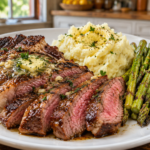
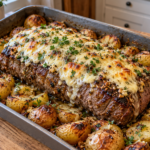
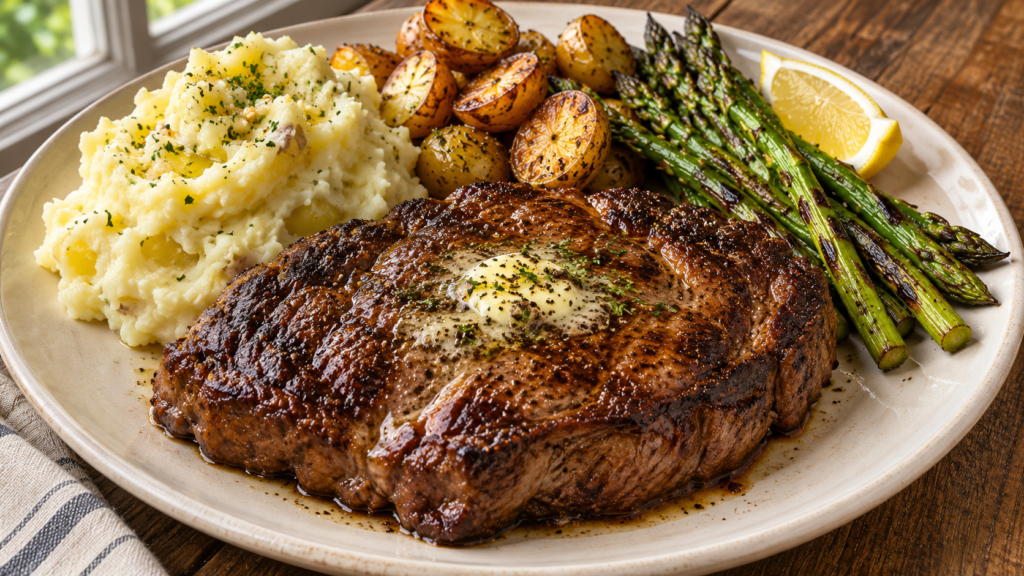
This grilled ribeye steak dinner brings together a deeply seared, butter-topped steak, creamy garlic mashed potatoes, crispy roasted baby potatoes, and lemony charred asparagus. The two potato sides give the plate different textures. Yukon Golds make a smooth, buttery mash, while the baby potatoes turn golden and crisp where their cut sides touch the baking sheet. A squeeze of lemon over the asparagus brightens the plate and balances the richness of the ribeye.
Start the baby potatoes first, then boil and mash the Yukon Golds while they roast. Grill the steaks toward the end of the potato cooking time and use their resting time to char the asparagus. That sequence lets you bring all four components to the table warm.
Prep Time — 20 minutes
Cook Time — About 40 minutes
Total Time — About 1 hour
Servings — 3
Cooking Method — Grilling, oven roasting, and stovetop boiling
Ingredients
Grilled Ribeye Steaks
– 3 boneless ribeye steaks, about 1¼ inches thick
– 1 tablespoon avocado oil
– Kosher salt and freshly ground black pepper, to taste
– 2 tablespoons unsalted butter
Garlic Mashed Potatoes
– 1½ pounds Yukon Gold potatoes, peeled and cubed
– 4 garlic cloves, peeled
– 3 tablespoons unsalted butter
– ½ cup whole milk, warmed
– Salt and black pepper, to taste
Crispy Roasted Potatoes
– 1 pound baby potatoes, halved
– 1½ tablespoons olive oil
– ½ teaspoon garlic powder
– ½ teaspoon smoked paprika
– ½ teaspoon kosher salt
– ¼ teaspoon black pepper
Charred Asparagus
– 1 pound asparagus, woody ends trimmed
– 1 tablespoon olive oil
– Salt and black pepper, to taste
– ½ lemon
Instructions
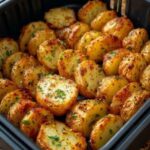
1. Roast the baby potatoes. Preheat the oven to 425°F (220°C). Pat the halved baby potatoes dry, then toss them with the olive oil, garlic powder, smoked paprika, kosher salt, and black pepper. Spread them on a rimmed baking sheet in a single layer, with the cut sides facing down. Roast for 30–35 minutes, until the bottoms are golden and a fork slides easily into the centers. Lift one potato with a thin spatula to check its color before taking the pan out.
2. Boil the Yukon Gold potatoes and garlic. While the baby potatoes roast, put the cubed Yukon Golds and peeled garlic cloves in a pot. Cover with cold salted water by about an inch and bring to a boil. Reduce to a steady simmer and cook for 15–20 minutes, until the largest potato cube breaks apart easily when pressed with a fork. Drain the potatoes and garlic together, then return them to the warm pot off the heat. Let them steam for a minute so excess water can evaporate.
3. Mash the potatoes and keep them warm. Add the butter and mash the potatoes and softened garlic by hand. Stir in the warm milk a splash at a time until the mash reaches the consistency you like. Taste and adjust with salt and pepper. Cover the pot and set it aside while you grill. If the mash thickens before serving, gently fold in a small splash of warm milk.
4. Preheat the grill and season the ribeyes. Heat the grill to medium-high while the potatoes cook. Pat both sides of each steak dry with paper towels, rub lightly with avocado oil, and season with kosher salt and freshly ground black pepper. If your grill has room for two heat zones, keep one section cooler so you can move a steak there if dripping fat causes flare-ups.
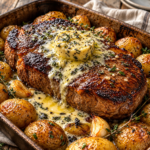
5. Grill and rest the steaks. Grill the ribeyes for about 4–6 minutes per side, using tongs to turn them. Check each steak with an instant-read thermometer inserted from the side into the center of the thickest part, avoiding large seams of fat. Continue grilling as needed until the center reaches 145°F (63°C). Transfer the steaks to a clean platter, divide the butter among them, and let them rest for at least 3 minutes before serving. Grill heat and steak thickness affect timing, so check each one individually. FoodSafety.gov
6. Char the asparagus while the steaks rest. Toss the spears with olive oil, salt, and black pepper. Lay them across the grill grates so they stay in place as you turn them. Grill for 4–6 minutes, turning occasionally, until the spears have lightly charred spots and the thicker ends are crisp-tender. Transfer to a plate and squeeze the lemon over them just before serving.
7. Plate and serve. Place one whole ribeye on each plate. Add a scoop of garlic mashed potatoes, a pile of crispy baby potatoes, and a bundle of charred asparagus. Spoon the buttery resting juices over the steaks, letting a little run into the mash if you like.
Helpful Cooking Tips
– Buy steaks of similar thickness. Three ribeyes close to 1¼ inches thick will cook at roughly the same pace. If one reaches temperature earlier, take it off the grill and let it rest while the others finish.
– Give the baby potatoes room. Leave a little space between the halves so moisture can escape. If they fill the sheet edge to edge, divide them between two pans.
– Use a hand masher. Mash the softened garlic with the potatoes, then stir in the milk just until combined. A food processor can make the mash gummy.
– Adjust for the size of your asparagus. Pencil-thin spears may be ready before 4 minutes. Thicker spears can take the full 6 minutes. Check the stalk ends, where they take the longest to soften.
– Set out serving plates before grilling. Once the steaks are resting and the asparagus is on the grill, all that’s left is to scoop the potatoes and plate the meal.
Recipe Notes
Choosing the ribeye. Look for fine streaks of fat throughout the steak. This marbling contributes to the ribeye’s flavor as it cooks. The recipe serves one whole steak per person. If your steaks are particularly large, you can slice them across the grain and serve them family-style with the three sides.
Choosing the potatoes. Yukon Golds give the mash a naturally creamy texture, and their peeled cubes cook at about the same pace as the whole garlic cloves. Small red or yellow potatoes both work for the roasted side. Keep their skins on and quarter any unusually large ones so the pieces finish together.
Adjusting the garlic flavor. Boiling the cloves with the potatoes gives the mash a mellow garlic flavor. For a stronger flavor, use one or two extra cloves. Add the milk gradually, especially if you prefer a firmer scoop that holds its shape beside the steak.
Questions & Answers
Can I cook the ribeye without an outdoor grill?
Yes. Heat a cast-iron skillet over medium-high heat and sear the ribeyes in batches if needed. Check the center of each steak for the same 145°F (63°C) target and allow the same rest. Char the asparagus in the skillet after the last steak comes out. FoodSafety.gov
Can I make the garlic mashed potatoes ahead?
Yes. Make the mash earlier in the day, refrigerate it in a covered container, and reheat before serving. Stir in a splash of milk as it warms to restore the creamy texture. The roasted baby potatoes are crispiest straight from the oven.
What if the baby potatoes finish before the steaks?
Leave them uncovered on the baking sheet so the crust stays crisp. If they cool while the steaks finish, slide the sheet back into the hot oven for a few minutes while you grill the asparagus.
Storage & Reheating
Refrigerate leftovers within 2 hours in shallow covered containers and use within 3–4 days. Store the mashed potatoes separately so you can reheat them with a splash of milk. Reheat leftovers to 165°F (74°C). A hot oven helps the baby potatoes crisp again, while a covered skillet with a little water or pan juice works well for the steak. ask.fsis.usda.gov
Nutritional Information & Benefits
Estimated per serving, assuming one 8-ounce raw ribeye and one-third of each side
– Calories — About 950–1,100
– Protein — About 48–55 g
– Carbohydrates — About 65–75 g
– Fat — About 55–65 g
– Fiber — About 7–9 g
Ribeye provides protein, iron, zinc, and vitamin B12. The potatoes supply carbohydrates and potassium, and the asparagus contributes fiber and folate. These estimates assume all the butter and oil are divided among the three plates. The actual values depend on the weight and marbling of the steaks, how much fat renders during grilling, and the amount of salt you use.