
# Garlic Herb Glazed Pork Tenderloin
This Garlic Herb Glazed Pork Tenderloin is a flavorful, protein-rich main dish featuring tender pork with a beautifully browned exterior and a glossy garlic-herb glaze. The combination of fresh garlic, butter, honey, herbs, and a touch of Dijon creates a savory-sweet coating that complements the mild flavor of pork perfectly.
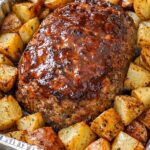
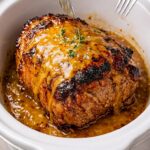
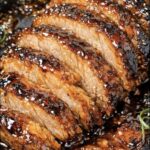
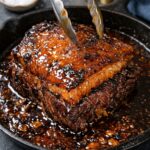
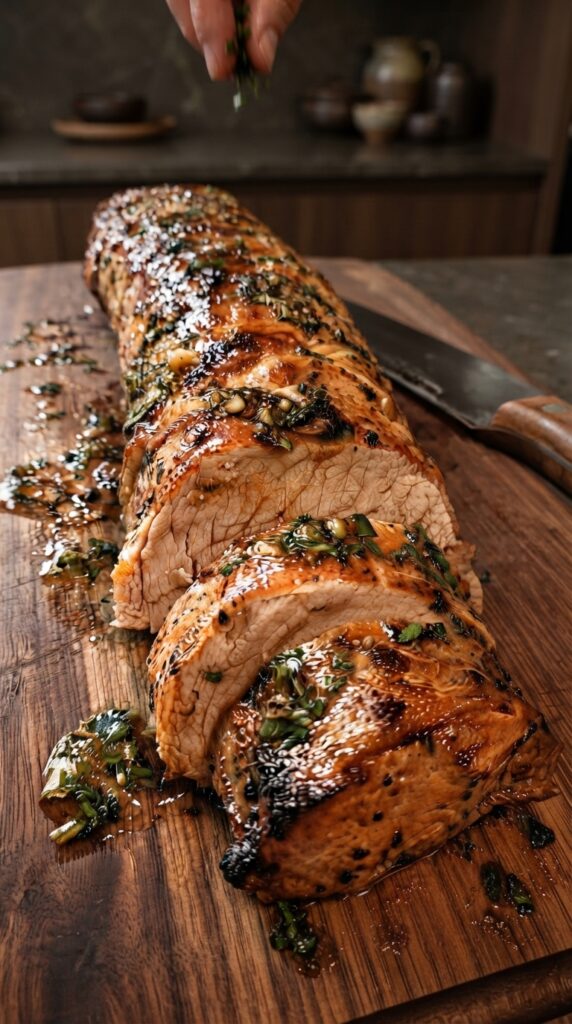
The tenderloin is first seasoned and seared to develop a golden crust, then roasted until juicy and tender. A buttery garlic-herb glaze is brushed over the meat during the final stage of cooking, creating the glossy finish seen in the photo. After resting, the pork is sliced into thick, juicy medallions and finished with additional glaze and fresh herbs.
Prep Time: 15 minutes
Cook Time: 25–30 minutes
Resting Time: 5–10 minutes
Total Time: About 50 minutes
Servings: 6
## Ingredients
For the Pork Tenderloin
2 pork tenderloins, about 1–1¼ lb each
2 tablespoons olive oil
1 teaspoon salt
1 teaspoon freshly ground black pepper
1 teaspoon garlic powder
1 teaspoon smoked paprika
½ teaspoon onion powder
½ teaspoon dried thyme
½ teaspoon dried rosemary
For the Garlic Herb Glaze
3 tablespoons unsalted butter
5 garlic cloves, finely minced
3 tablespoons honey
1 tablespoon Dijon mustard
1 tablespoon low-sodium soy sauce
1 tablespoon balsamic vinegar
1 teaspoon fresh lemon juice
1 teaspoon dried Italian seasoning
2 tablespoons finely chopped fresh parsley
1 tablespoon chopped fresh thyme or rosemary
¼ teaspoon crushed red pepper flakes, optional
For Garnishing
2 tablespoons chopped fresh parsley
Freshly ground black pepper, as desired
Extra pan glaze for spooning over the sliced pork
## Instructions
### 1. Prepare the Pork
Preheat your oven to 400°F (200°C).
Remove the pork tenderloins from their packaging and pat them thoroughly dry with paper towels. Removing excess moisture is important because it helps the outside of the pork develop a better golden-brown crust when seared.
If there is a tough silver membrane on the surface, carefully remove it using a sharp knife.
Combine the salt, black pepper, garlic powder, smoked paprika, onion powder, thyme, and rosemary in a small bowl.
Rub the pork with about 1 tablespoon of olive oil and sprinkle the seasoning mixture evenly over every side. Gently press the seasoning into the meat.
### 2. Sear the Tenderloin
Heat the remaining tablespoon of olive oil in a large oven-safe skillet over medium-high heat.
Once the skillet is hot, carefully add the pork tenderloins.
Sear for approximately 2 minutes on each major side, turning as necessary, until the exterior develops a rich golden-brown crust. You are not trying to cook the pork completely at this stage. The purpose of searing is to create color and deeper roasted flavor.
Transfer the pork temporarily to a plate while preparing the glaze.
### 3. Make the Garlic Herb Glaze
Reduce the skillet heat to medium-low.
Add the butter and allow it to melt. Add the minced garlic and cook for approximately 30–45 seconds, stirring constantly. The garlic should become fragrant but should not turn dark brown.
Add the honey, Dijon mustard, soy sauce, balsamic vinegar, lemon juice, Italian seasoning, parsley, fresh thyme or rosemary, and optional crushed red pepper.
Stir everything together and allow the mixture to gently simmer for about 1–2 minutes.
The glaze should become glossy and slightly thicker.
### 4. Glaze the Pork
Return the seared tenderloins to the skillet.
Turn each tenderloin several times in the garlic-herb mixture so that the meat becomes evenly coated.
Use a spoon or pastry brush to spread plenty of the glaze over the top and sides.
The garlic and herbs should remain visible on the surface, creating the rustic glazed appearance shown in the photo.
### 5. Roast
Transfer the oven-safe skillet directly into the preheated oven.
Roast for approximately 15–20 minutes, depending on the thickness of the tenderloins.
Halfway through roasting, carefully spoon some of the glaze from the bottom of the skillet over the pork.
Rather than relying only on cooking time, check the internal temperature with an instant-read thermometer inserted into the thickest portion.
For food safety, whole cuts of pork should reach at least **145°F (63°C)** internally followed by a minimum 3-minute rest.
Avoid significantly overcooking pork tenderloin because this lean cut can quickly become dry.
### 6. Rest the Pork
Remove the skillet from the oven and transfer the tenderloins to a cutting board.
Loosely cover them with foil and allow them to rest for 5–10 minutes.
Resting is important because immediately slicing the tenderloin can cause more of its juices to escape onto the cutting board.
Meanwhile, keep the remaining glaze warm.
### 7. Slice and Finish
Using a sharp knife, cut the tenderloin crosswise into thick slices.
Arrange the slices on a wooden serving board or platter.
Spoon the warm garlic-herb glaze over the sliced pork, allowing some of the minced garlic and fresh herbs to remain on each piece.
Finish with chopped parsley and freshly ground black pepper.
Serve immediately while warm.
## Description and Serving Suggestions
The finished pork should have a deeply browned exterior with visible caramelization around the edges. Inside, it should remain moist and tender rather than dry. The glaze adds a beautiful shine while bits of garlic and herbs provide plenty of savory flavor.
Because pork tenderloin is relatively lean, it pairs especially well with creamy or roasted side dishes. Try serving it with mashed potatoes, roasted baby potatoes, asparagus, green beans, glazed carrots, Brussels sprouts, steamed broccoli, or a simple garden salad.
For a lower-carbohydrate meal, pair the pork with roasted cauliflower, cauliflower mash, sautéed zucchini, asparagus, or a leafy green salad.
You can also spoon a small amount of the warm glaze over the vegetables.
## Recipe Notes
Pork tenderloin and pork loin are different cuts. Tenderloin is relatively small, narrow, and very tender. A pork loin is considerably larger and requires different cooking times. This recipe is specifically designed for pork tenderloin.
The exact roasting time will vary according to the thickness and starting temperature of your meat. A meat thermometer provides a much more reliable indication of doneness than cooking time alone.
Honey helps create the shiny, slightly sticky finish. Maple syrup can be substituted if desired, although the final flavor will be somewhat different.
Fresh herbs provide the brightest flavor, but dried herbs work well for seasoning the pork.
If your skillet is not oven-safe, sear the pork in a regular skillet and then transfer everything to a lightly greased baking dish before roasting.
## Tips for the Best Pork Tenderloin
Patting the pork completely dry before seasoning is one of the easiest ways to improve browning.
Use a properly heated skillet when searing. If the skillet is not hot enough, the pork may release moisture and steam rather than developing a crust.
Do not burn the garlic. Garlic needs only a short cooking time before the liquid glaze ingredients are added.
Use an instant-read thermometer whenever possible. Pork tenderloin is lean, so even several unnecessary minutes in the oven can noticeably affect its texture.
Allow the meat to rest before slicing.
For an attractive presentation, slice the pork into approximately ¾-inch to 1-inch pieces rather than extremely thin slices.
Spoon the glaze over the meat immediately before serving so the surface remains shiny and flavorful.
If the glaze becomes too thick, stir in 1–2 tablespoons of water or broth. If it seems too thin, simmer it briefly before serving.
## Storage
Allow leftover pork to cool before refrigerating, but don’t leave it at room temperature for more than 2 hours.
Store the sliced pork and remaining glaze in an airtight container in the refrigerator for **3–4 days**.
Keeping some glaze with the meat helps prevent the leftovers from tasting dry.
For longer storage, place cooled pork in a freezer-safe container or freezer bag and freeze for approximately 2–3 months for best quality.
Thaw frozen pork overnight in the refrigerator.
When reheating, use gentle heat. Place the pork in a covered skillet with a tablespoon or two of broth or remaining glaze and warm just until heated through. Excessive reheating can dry out tenderloin.
## Nutritional Information
Approximate nutrition per serving, based on 6 servings:
Calories: 330–390
Protein: 35–40 g
Carbohydrates: 10–14 g
Fat: 15–19 g
Saturated Fat: 5–7 g
Sugar: 8–11 g
Fiber: Less than 1 g
Sodium: 500–650 mg
These numbers are estimates. Actual nutrition will vary depending on the exact weight of the pork, brands of ingredients, amount of glaze consumed, and serving size.
## Benefits
### High in Protein
Pork tenderloin provides substantial protein, making this an easy centerpiece for a protein-focused meal. Protein contributes to the maintenance and growth of muscle mass and helps support normal body tissues.
### Naturally Relatively Low in Carbohydrates
The pork itself contains essentially no carbohydrates. Most of the carbohydrates in this recipe come from the honey and other glaze ingredients. You can reduce the honey if you want a less sweet glaze.
### Provides Important Nutrients
Pork contains several useful nutrients, including B vitamins such as thiamin, vitamin B6, and vitamin B12, as well as selenium, zinc, and phosphorus.
### Easy to Pair With Vegetables
Because the pork has a rich garlic-herb flavor, it works well with a wide variety of vegetables. This makes it easy to build a balanced plate around the protein.
### Suitable for Meal Prep
The cooked tenderloin can be sliced and portioned into individual containers with vegetables or another side dish for convenient lunches or dinners.
## Frequently Asked Questions
### What is the best temperature for pork tenderloin?
Cook whole pork tenderloin to a minimum internal temperature of 145°F (63°C), measured in the thickest portion, followed by at least a 3-minute rest.
### Can pork tenderloin be slightly pink inside?
Yes. Properly cooked whole-cut pork can retain some pink color. Internal temperature, rather than color alone, is the reliable way to determine whether it has reached the recommended safe temperature.
### Can I prepare this without honey?
Yes. You can substitute maple syrup, although it will alter the flavor. For a less sweet version, simply reduce the quantity rather than eliminating all of the glaze’s sweet component.
### Can I make it without soy sauce?
Yes. Replace it with a small amount of Worcestershire sauce or simply add a little additional salt to taste. Keep in mind that each substitution changes the finished flavor.
### Why did my pork tenderloin turn out dry?
The most common reason is overcooking. Because tenderloin is lean, it doesn’t have a large amount of fat to protect it during extended cooking. Use a thermometer and remove it once it reaches the appropriate internal temperature.
### Can I marinate the pork beforehand?
Yes. You can season the pork several hours before cooking and keep it covered in the refrigerator. However, the recipe is flavorful enough that a long marinade isn’t required.
### Can I cook it in an air fryer?
Yes, although cooking time depends heavily on the size of the tenderloin and air fryer. Sear-free air-fryer versions can work well, but always use internal temperature rather than time alone to establish doneness.
### What side dishes work best?
Creamy mashed potatoes, roasted potatoes, asparagus, carrots, green beans, broccoli, Brussels sprouts, cauliflower mash, and fresh salads all complement the garlic-herb flavors.
### Can I double the recipe?
Yes. Make sure the tenderloins aren’t overcrowded during searing and that there is enough space around them while roasting. Cook according to internal temperature rather than simply increasing the cooking time.
### Can I make the glaze ahead?
Yes. Prepare the glaze ahead of time, refrigerate it in an airtight container, and gently reheat it before using. Fresh herbs can be added shortly before serving for the brightest flavor.
### How do I get the glossy appearance shown in the photo?
The key is layering the glaze. Coat the pork before roasting, baste it again while it cooks, and spoon a final small amount of warm garlic-herb glaze over the sliced tenderloin immediately before serving. This produces the shiny, herb-covered finish while keeping the pork juicy and appetizing.