
Sticky Honey Garlic Glazed Pork Roast – Easy & Juicy Recipe
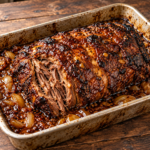
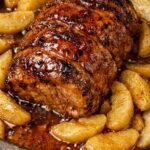
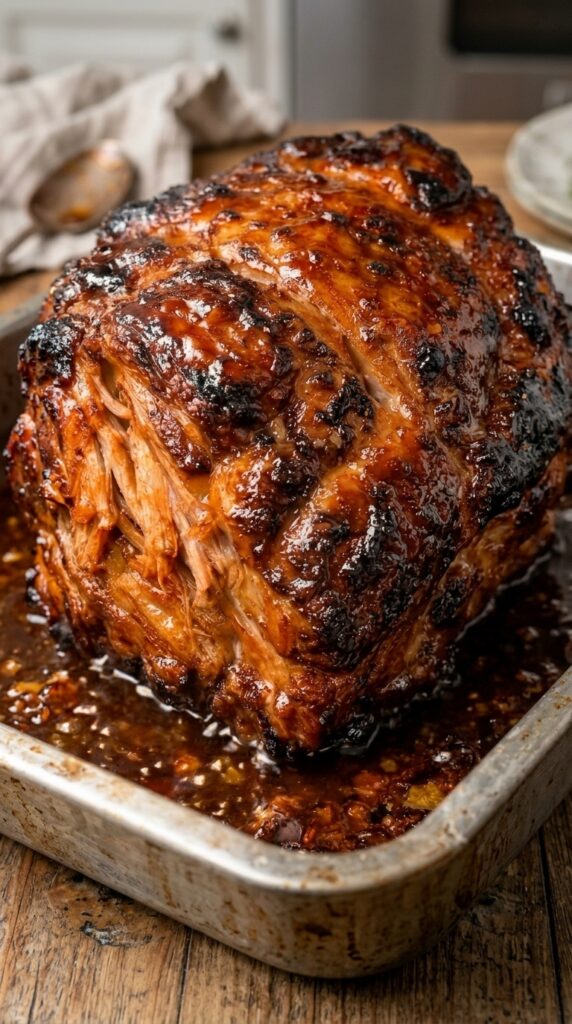
Sticky Honey Garlic Glazed Pork Roast is the ultimate comfort food, featuring succulent, slow-roasted pork coated in a rich, sweet, and savory glaze. With beautifully caramelized edges, tender meat, and a mouthwatering combination of honey, garlic, soy sauce, and aromatic seasonings, this recipe transforms a simple pork roast into a restaurant-quality dinner.
Whether you’re preparing a Sunday family meal, hosting a holiday gathering, or looking for an impressive main course, this easy honey garlic pork roast delivers incredible flavor with minimal effort.
The secret is slow-roasting the pork until tender, then brushing it with a homemade honey garlic glaze that thickens into a glossy, sticky coating. Every bite offers the perfect balance of sweetness, savory depth, and delicious roasted flavor.
Why You’ll Love This Honey Garlic Pork Roast
This homemade glazed pork roast combines simple ingredients with an easy cooking method that produces impressive results.
Tender, juicy meat: Slow roasting helps break down connective tissue in pork shoulder, creating succulent meat that pulls apart easily.
Irresistible sticky glaze: Honey, garlic, soy sauce, and brown sugar create a beautifully caramelized coating.
Simple ingredients: Most ingredients are everyday pantry staples.
Perfect for gatherings: This generous roast serves approximately 8 people.
Versatile leftovers: Use leftover pork in sandwiches, rice bowls, tacos, and wraps.
Beautiful presentation: The glossy, deeply browned exterior makes an impressive centerpiece.
Recipe Overview
Prep Time
20 minutes
Cook Time
4–5 hours
Resting Time
20 minutes
Servings
8
Cuisine
American-Inspired
Course
Main Course
Cooking Method: Oven Roasting | Difficulty: Easy | Best Cut: Boneless Pork Shoulder
Ingredients for Sticky Honey Garlic Glazed Pork Roast
The key to creating an exceptional honey garlic pork roast is combining a well-marbled cut of meat with a balanced glaze.
For the Pork Roast
Pork roast
Honey garlic glaze
Optional thickener and garnish
How to Make Sticky Honey Garlic Glazed Pork Roast
Follow these detailed instructions to create a tender, flavorful pork roast with a beautiful sticky glaze.
Step 1: Prepare the Pork Shoulder
Preheat your oven to 300°F (150°C).
Remove the pork shoulder from its packaging and pat it thoroughly dry with paper towels. Drying the surface helps the seasoning adhere and encourages better browning.
Trim away any excessively thick pieces of external fat, but leave a thin layer to help keep the meat moist during roasting.
Place the pork on a clean cutting board and rub it with olive oil.
Step 2: Season the Pork
In a small mixing bowl, combine kosher salt, black pepper, smoked paprika, onion powder, garlic powder, and dried thyme.
Rub the seasoning mixture evenly over the entire pork roast, making sure to coat every side.
For more developed flavor, you can season the pork several hours ahead and refrigerate it in a covered container.
The smoked paprika adds subtle smokiness, while garlic and thyme complement the sweetness of the glaze.
Step 3: Sear the Pork for Extra Flavor
Heat a large, heavy-bottomed skillet or Dutch oven over medium-high heat.
Add a small amount of oil if needed.
Carefully place the seasoned pork into the hot skillet and sear each side for approximately 2–3 minutes, until a golden-brown crust develops.
Searing creates additional savory flavor through the Maillard reaction.
Although this step is optional, it gives the finished roast a richer taste and more attractive appearance.
Transfer the seared pork to a roasting pan.
Step 4: Prepare the Honey Garlic Glaze
In a medium saucepan, combine honey, soy sauce, brown sugar, minced garlic, apple cider vinegar, Dijon mustard, Worcestershire sauce, and ginger.
If you enjoy a little heat, add red pepper flakes.
Place the saucepan over medium-low heat and stir continuously until the brown sugar dissolves.
Allow the mixture to simmer gently for approximately 3–5 minutes, stirring occasionally.
The glaze should become slightly thicker and develop a fragrant, sweet garlic aroma.
Avoid boiling it aggressively because the honey and sugar can scorch.
Reserve about one-third of the glaze in a separate clean bowl for the final coating.
Step 5: Begin Slow Roasting
Pour the chicken broth into the bottom of the roasting pan, around the pork rather than directly over its seasoned surface.
Brush the pork with approximately half of the remaining glaze.
Cover the roasting pan tightly with aluminum foil or a fitted lid.
Place the pan in the preheated oven and roast for approximately 3–4 hours.
The covered roasting environment helps the pork shoulder cook gently while retaining moisture.
Check periodically to make sure there is some liquid in the bottom of the pan. Add a small amount of broth if it becomes dry.
Step 6: Cook Until Tender
Continue roasting until the pork becomes tender.
Pork shoulder contains connective tissue that softens during prolonged cooking. For a tender, sliceable roast, aim for approximately 180–190°F (82–88°C). For pull-apart tenderness, continue until approximately 195–205°F (90–96°C), checking that a fork or probe slides in easily.
Although whole pork roasts reach the USDA’s minimum safe cooking temperature at 145°F (63°C) with a three-minute rest, pork shoulder generally needs a higher temperature to achieve its characteristic tenderness.
The total cooking time depends on the size, shape, and thickness of the roast.
Step 7: Create the Sticky Caramelized Coating
Once the pork is nearly tender, carefully remove the roasting pan from the oven.
Increase the oven temperature to 425°F (220°C).
Remove the foil and brush the roast generously with some of the reserved clean honey garlic glaze.
Return the pork to the oven, uncovered, for approximately 10–15 minutes.
Watch closely as the glaze begins bubbling and caramelizing.
Brush on another thin layer of glaze during the final few minutes.
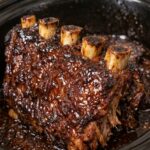
The surface should become glossy, deep golden brown, and slightly charred around the edges without burning.
For a darker finish, use the broiler for 1–2 minutes, monitoring constantly.
Step 8: Thicken the Pan Sauce
Transfer the finished pork roast to a clean serving platter.
Pour the pan juices into a saucepan, removing excess fat if desired.
Bring the liquid to a full boil. Any juices that contacted raw or partially cooked pork must be thoroughly cooked before serving.
Mix cornstarch with cold water until smooth.
Gradually stir the slurry into the simmering sauce and cook for 1–2 minutes until thickened.
Taste and adjust the seasoning. A splash of apple cider vinegar can balance excessive sweetness.
Step 9: Rest, Slice, and Serve
Allow the pork roast to rest for approximately 15–20 minutes before slicing or shredding.
Resting helps reduce moisture loss when the meat is cut.
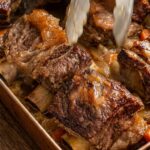
For neatly sliced pork, cut across the grain using a sharp carving knife. If you’ve cooked it to pull-apart tenderness, gently separate the meat into large, juicy pieces.
Spoon the warm honey garlic sauce over the roast and garnish with fresh parsley or sliced green onions.
Serve immediately with your favorite side dishes.
Expert Tips for the Best Honey Garlic Pork Roast
1. Choose the Right Cut
Pork shoulder is ideal for this recipe because it contains enough fat and connective tissue to remain moist during slow cooking.
Pork loin is leaner and requires a different cooking method and shorter cooking time. It should not be substituted directly using the same temperature targets.
2. Don’t Rush the Roasting Process
Low, gentle heat allows pork shoulder to become tender without drying out too quickly.
Cooking time varies, so focus on internal temperature and texture rather than the clock alone.
3. Apply the Glaze in Layers
Honey and brown sugar can burn when exposed to intense heat for too long.
Applying most of the glaze toward the end of cooking creates a shiny coating without excessive charring.
4. Balance Sweetness and Acidity
Apple cider vinegar and Dijon mustard prevent the glaze from tasting overly sweet.
If the sauce tastes too sugary, add a small amount of vinegar or fresh lemon juice.
5. Use a Meat Thermometer
A reliable digital thermometer is one of the most useful tools for roasting pork.
It helps you monitor cooking progress without repeatedly cutting into the meat.
6. Let the Roast Rest
Resting makes the pork easier to handle and reduces juice loss. Keep the meat loosely covered while resting, rather than sealing it tightly.
Best Side Dishes to Serve with Honey Garlic Pork Roast
The sweet, savory flavors of honey garlic pork pair wonderfully with comforting potatoes, vegetables, and rice.
Creamy Mashed Potatoes: Buttery mashed potatoes absorb the sticky garlic sauce and create a satisfying combination.
Garlic Roasted Vegetables: Carrots, broccoli, Brussels sprouts, and green beans provide freshness and texture.
Steamed Jasmine Rice: Fluffy rice balances the richness of the pork and catches every drop of glaze.
Classic Coleslaw: Crunchy cabbage dressed with a tangy sauce contrasts beautifully with the sweet, tender meat.
Roasted Sweet Potatoes: Their natural sweetness complements the caramelized honey glaze.
For a complete family dinner, serve the pork with mashed potatoes, roasted vegetables, and warm dinner rolls.
Delicious Recipe Variations
Spicy Honey Garlic Pork Roast
Add 1–2 teaspoons of sriracha or additional red pepper flakes to the glaze. The gentle heat contrasts with the honey’s sweetness.
Maple Garlic Glazed Pork
Replace the honey with pure maple syrup for a deeper, earthy sweetness. This variation is especially delicious during autumn and winter.
Asian-Inspired Honey Soy Pork
Add sesame oil, extra fresh ginger, and a splash of rice vinegar. Garnish with sesame seeds and green onions.
Smoky Barbecue Honey Pork
Mix ¼ cup barbecue sauce into the glaze and increase the smoked paprika slightly. This creates a bold, smoky flavor with a sticky barbecue-style finish.
How to Store and Reheat Leftovers
Leftover honey garlic pork roast is excellent for meal preparation.
Refrigeration: Transfer leftovers to airtight containers and refrigerate within two hours of cooking. Store for up to 3–4 days.
Freezing: Freeze sliced or shredded pork with some of its sauce in freezer-safe containers for approximately 2–3 months for best quality.
Reheating: Place the pork in a covered baking dish with a splash of broth or reserved sauce. Warm in a 300°F (150°C) oven until the center reaches 165°F (74°C).
You can also reheat individual portions in a skillet over low heat, adding a little liquid to prevent drying.
Leftover pork makes delicious sandwiches, wraps, rice bowls, and loaded baked potatoes.
Frequently Asked Questions
What is the best cut of pork for honey garlic roast?
Boneless pork shoulder is the best choice for this slow-roasted version. Its marbling and connective tissue produce tender, flavorful meat after several hours of cooking.
Can I make honey garlic pork roast in a slow cooker?
Yes. Season and sear the pork, then place it in a slow cooker with approximately ½ cup broth and most of the glaze. Cook on low for about 8–10 hours, or until fork-tender. Transfer to an oven-safe pan and broil briefly with additional glaze for a caramelized finish.
How do I prevent the honey glaze from burning?
Use a moderate oven temperature during the main roasting period and apply the final layers of glaze near the end. Watch carefully when broiling because honey and sugar caramelize rapidly.
Can I prepare this recipe ahead of time?
Absolutely. You can season the pork and prepare the glaze one day in advance. Store them separately in the refrigerator until you’re ready to cook.
Why is my pork roast tough?
Pork shoulder often becomes tough when it hasn’t cooked long enough for the connective tissue to soften. Continue cooking gently and check tenderness with a fork or temperature probe.
Can I make this recipe without soy sauce?
Yes. You can use a reduced-sodium soy alternative or coconut aminos, although the flavor and saltiness will change. Adjust the seasoning to taste.
Should I cover the pork while roasting?
Covering the pork during most of the cooking time helps retain moisture. Uncover it near the end so the glaze can caramelize and develop a glossy finish.
Nutritional Information
Estimated nutrition per serving, based on 8 servings
Calories
520–650 kcal
Protein
40–48 g
Total Fat
28–38 g
Carbohydrates
25–35 g
Sugar
22–30 g
Sodium
700–1,000 mg
Nutrition is approximate and depends on roast size, fat trimming, portion size, and the amount of glaze and pan sauce consumed.
Final Thoughts
This Sticky Honey Garlic Glazed Pork Roast Recipe brings together everything you want in a memorable homemade dinner: tender meat, rich savory flavor, a glossy caramelized exterior, and a sweet garlic sauce that makes every bite irresistible.
By slow-roasting pork shoulder and finishing it with layers of homemade honey garlic glaze, you can create an impressive meal without complicated techniques.
Whether served as a comforting Sunday roast, a festive holiday centerpiece, or a special family dinner, this dish is guaranteed to become a favorite for anyone who enjoys sweet and savory flavors.