
# Garlic Butter Glazed Roast Beef with Baby Potatoes
## Description
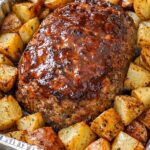
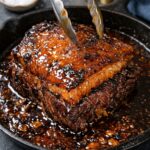
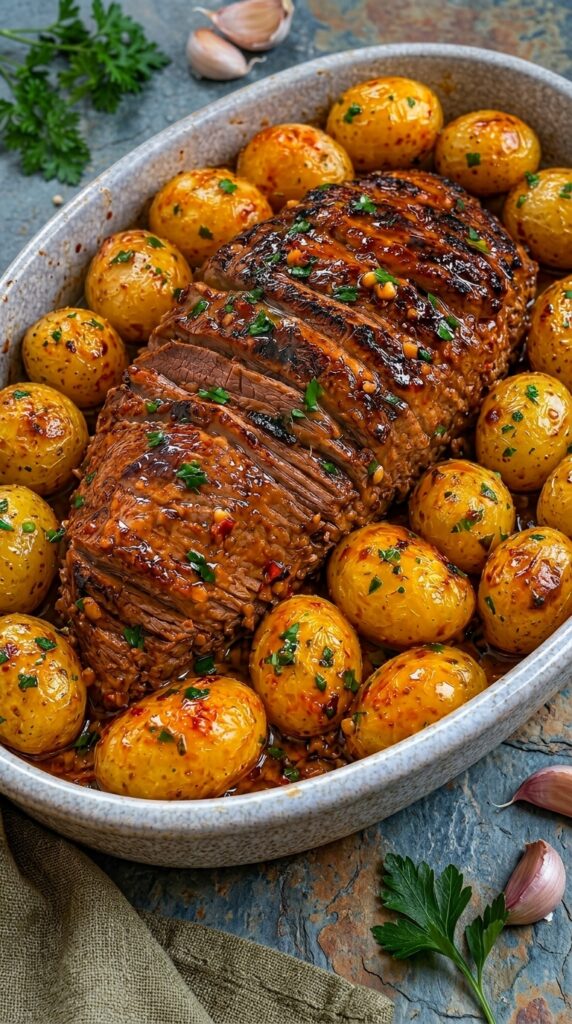
Garlic Butter Glazed Roast Beef with Baby Potatoes is a hearty, comforting dinner featuring tender beef surrounded by golden baby potatoes and coated in a rich garlic-herb butter glaze. The beef develops a beautifully browned exterior while remaining juicy and tender inside, and the potatoes roast in the savory pan juices until their skins are golden and their centers are soft and creamy.
The sauce is what brings the entire dish together. Butter, fresh garlic, beef broth, Worcestershire sauce, Dijon mustard, herbs, and a touch of honey create a glossy savory glaze with just enough sweetness to balance the richness of the beef. As the roast cooks, the potatoes absorb some of those flavorful juices, making every bite satisfying.
This recipe works particularly well for Sunday dinner, holidays, family gatherings, or whenever you want an impressive beef dinner without preparing several separate dishes.
Prep Time: 20 minutes
Cook Time: 1 hour 20 minutes–1 hour 45 minutes
Resting Time: 15 minutes
Servings: 6–8
## Ingredients
### For the Beef
* 3½–4 lb beef chuck roast or top sirloin roast
* 2 tablespoons olive oil
* 1½ teaspoons salt
* 1 teaspoon freshly ground black pepper
* 1 teaspoon garlic powder
* 1 teaspoon smoked paprika
* 1 teaspoon dried thyme
* ½ teaspoon dried rosemary
* ½ teaspoon onion powder
### For the Baby Potatoes
* 2 lb baby Yukon Gold potatoes
* 1½ tablespoons olive oil
* ½ teaspoon salt
* ½ teaspoon black pepper
* ½ teaspoon garlic powder
### For the Garlic Butter Glaze
* 4 tablespoons unsalted butter
* 6 garlic cloves, finely minced
* 1 cup beef broth
* 2 tablespoons Worcestershire sauce
* 1 tablespoon Dijon mustard
* 1 tablespoon honey or brown sugar
* 1 tablespoon balsamic vinegar
* ½ teaspoon dried thyme
* ½ teaspoon red pepper flakes, optional
* 1 tablespoon cornstarch
* 2 tablespoons cold water
### For Garnish
* 2–3 tablespoons freshly chopped parsley
* Freshly ground black pepper, optional
## Instructions
### 1. Prepare the Oven and Beef
Preheat the oven to 350°F (175°C).
Remove the beef from the refrigerator approximately 20–30 minutes before cooking. Pat it thoroughly dry with paper towels. A dry surface allows the roast to brown much more effectively.
In a small bowl, combine the salt, black pepper, garlic powder, smoked paprika, dried thyme, rosemary, and onion powder.
Rub the seasoning mixture generously over the entire roast, including the sides.
### 2. Sear the Roast
Heat 2 tablespoons of olive oil in a large oven-safe skillet or Dutch oven over medium-high heat.
When the oil is hot, carefully add the seasoned beef.
Sear for approximately 3–4 minutes on the first side without moving it. Turn and sear the opposite side for another 3–4 minutes.
Brown the remaining sides briefly until the roast develops a dark golden crust.
Transfer the beef to a plate while you prepare the glaze.
Searing doesn’t completely cook the beef. Its purpose is to develop browned flavors and give the finished roast a more appetizing exterior.
### 3. Make the Garlic Butter Sauce
Reduce the skillet heat to medium-low.
Add the butter and allow it to melt.
Stir in the minced garlic and cook for approximately 30–45 seconds. Keep the garlic moving so it becomes fragrant without burning.
Pour in the beef broth, Worcestershire sauce, Dijon mustard, honey, and balsamic vinegar.
Add the dried thyme and optional red pepper flakes.
Stir well, scraping the browned pieces from the bottom of the pan into the sauce. Those browned bits provide excellent beef flavor.
Allow the mixture to simmer gently for approximately 2–3 minutes.
### 4. Prepare the Potatoes
Wash and thoroughly dry the baby potatoes.
Small potatoes can remain whole. If some are significantly larger than the others, cut them in half so everything cooks at approximately the same rate.
Place the potatoes in a bowl and toss with olive oil, salt, black pepper, and garlic powder.
### 5. Assemble the Dish
Return the seared roast to the center of your roasting dish or Dutch oven.
Arrange the seasoned baby potatoes around the beef in a single layer whenever possible.
Spoon some of the garlic butter sauce over the top of the roast.
Make sure there is sauce around the potatoes as well, but don’t completely submerge them. Keeping part of their surface exposed allows them to brown.
### 6. Roast
Transfer the uncovered dish to the preheated oven.
Roast until the beef reaches your preferred doneness and the potatoes are tender.
Because roast shape and cut can affect cooking time considerably, an instant-read meat thermometer is more reliable than cooking strictly by time.
For a sliceable roast, begin checking the internal temperature after about an hour. Remember that the temperature can rise slightly while the meat rests.
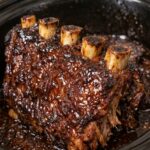
If you’re using chuck roast and want a very soft, pot-roast-style result rather than pink sliced beef, it generally benefits from longer, slower cooking. In that case, cover the pan and continue cooking until the meat is easily pierced with a fork.
### 7. Baste the Beef
During cooking, carefully spoon some of the pan juices over the roast approximately every 25–30 minutes.
Turn the potatoes once or twice so different sides come into contact with the sauce.
This gives them a glossy, flavorful exterior and encourages even browning.
If the pan begins looking dry, add another ¼–½ cup of beef broth.
### 8. Check the Potatoes
Insert a small knife into one of the larger potatoes. It should slide easily through the center.
If the beef reaches your desired doneness before the potatoes are tender, remove the beef and let it rest while returning the potatoes to the oven.
### 9. Rest the Roast
Transfer the finished beef to a cutting board.
Tent it loosely with aluminum foil and allow it to rest for 15 minutes before slicing.
Resting is important because cutting into the beef immediately can cause more of its juices to escape onto the cutting board.
### 10. Finish the Glaze
Place the roasting pan over medium heat if it is stovetop-safe, or transfer the cooking liquid to a small saucepan.
Combine 1 tablespoon cornstarch with 2 tablespoons cold water and stir until smooth.
Slowly whisk the slurry into the simmering pan juices.
Cook for approximately 1–3 minutes until the sauce becomes slightly thicker and develops a glossy consistency.
Don’t make it excessively thick. You want a pourable glaze that will beautifully coat the sliced beef and potatoes.
Taste and adjust the salt and pepper as necessary.
### 11. Slice and Serve
Slice the rested beef across the grain into moderately thick slices.
Return the slices to the serving dish, overlapping them slightly for an attractive presentation.
Arrange the golden baby potatoes around the beef.
Spoon the warm garlic butter glaze generously over both the meat and potatoes.
Finish with freshly chopped parsley and serve while warm.
## Recipe Notes
The exact texture of this dish depends heavily on the beef cut you choose. A top sirloin roast is appropriate when you want neat slices and a more traditional roast-beef texture. Chuck roast contains more connective tissue and is better suited to longer cooking if you want exceptionally tender, pull-apart meat.
Baby Yukon Gold potatoes are ideal because their naturally creamy texture works beautifully with the savory sauce. Baby red potatoes can also be substituted.
Fresh garlic gives the sauce its strongest flavor. Garlic powder is included in the seasoning because it adheres well to the exterior of the roast, while fresh garlic flavors the butter sauce.
Honey is optional but useful. The small quantity doesn’t make the roast noticeably sweet; instead, it helps balance the Worcestershire sauce, mustard, and balsamic vinegar while contributing to the glossy finish.
## Tips for the Best Roast Beef
Choose a roast of relatively even thickness so it cooks more consistently from one end to the other.
Pat the beef completely dry before seasoning and searing. Excess surface moisture creates steam and makes browning more difficult.
Use a heavy oven-safe roasting dish or Dutch oven if available. It retains heat well and makes preparing the pan sauce easier.
Don’t overcrowd the potatoes. Giving them some exposed surface area allows them to roast rather than simply simmer in the sauce.
Use a meat thermometer for a sliceable roast. Cooking time alone isn’t reliable because roast thickness, starting temperature, oven accuracy, and beef cut can all change how quickly the center cooks.
Let the meat rest before slicing.
Always cut beef against the grain. Shortening the muscle fibers makes each bite easier to chew.
For extra caramelization, the potatoes can be briefly placed under the broiler after the beef has been removed. Watch them carefully because the glaze contains ingredients that can brown quickly.
Fresh parsley should be added after cooking so it retains its bright color and fresh flavor.
## Storage
Allow leftovers to cool before transferring them to airtight containers.
Store the beef with a small amount of sauce to help keep it moist.
Refrigerate the beef and potatoes for up to 3–4 days.
To reheat, place sliced beef, potatoes, and a few spoonfuls of sauce in a covered baking dish. Warm at about 300°F (150°C) until heated through. Gentle reheating helps prevent the beef from becoming unnecessarily dry.
Individual portions can also be microwaved. Cover them and heat in short intervals.
The cooked beef can be frozen for approximately 2–3 months for best quality. Freeze it with some of the gravy in an airtight freezer-safe container.
Potatoes can technically be frozen as well, although their texture may become softer after thawing.
Thaw frozen leftovers overnight in the refrigerator before reheating.
## Nutritional Information
Approximate nutrition per serving based on 8 servings:
Calories: 520–590 kcal
Protein: 39–44 g
Carbohydrates: 29–34 g
Fat: 27–32 g
Saturated Fat: 10–13 g
Fiber: 3–4 g
Sugar: 4–6 g
Sodium: 650–850 mg
Potassium: approximately 1,000–1,200 mg
These values are estimates. Actual nutrition will depend on the cut and amount of beef, amount of sauce consumed, potato size, ingredient brands, and portion size.
## Benefits
Beef is an excellent source of complete protein, meaning it provides all essential amino acids. Protein supports normal muscle maintenance and tissue repair and contributes to satiety.
Beef also provides iron, zinc, selenium, and vitamin B12. Iron plays an important role in oxygen transport, while vitamin B12 contributes to normal red blood cell formation and nervous-system function.
Potatoes contribute carbohydrates that provide energy. They also contain potassium and vitamin C, particularly when eaten with their skins.
Garlic and parsley provide additional plant compounds while adding considerable flavor without requiring large quantities of additional ingredients.
Another advantage of this recipe is that it combines the main protein and starch in one roasting dish. Add a green vegetable or simple salad and you have an easy, satisfying complete dinner.
## Questions and Answers
### What cut of beef should I use?
For attractive slices similar to the presentation shown, top sirloin roast is an excellent option. Chuck roast can also be used, especially if you prefer a softer pot-roast texture.
### Can I make this recipe with chuck roast?
Yes. Chuck contains more connective tissue, so it benefits from longer cooking. For very tender chuck roast, cook it covered with enough liquid and continue until it becomes fork-tender.
### Do I need to peel the baby potatoes?
No. Baby potatoes have thin, tender skins. Simply wash and dry them thoroughly before seasoning.
### Can I use regular potatoes?
Yes. Yukon Gold potatoes are particularly good. Cut them into roughly 1½-inch chunks so they cook evenly.
### Why should I sear the beef?
Searing develops a flavorful browned crust through the Maillard reaction. It isn’t required for food safety, but it improves both flavor and appearance.
### Can I skip the honey?
Absolutely. The recipe will still work. You can also substitute maple syrup or brown sugar if you want the slight sweet-savory balance.
### How do I prevent the garlic from burning?
Add the fresh garlic after reducing the skillet heat and cook it only briefly before adding the liquid ingredients. Once the broth is added, the garlic is much less likely to burn.
### How do I make more gravy?
Increase the beef broth by about ½–1 cup. At the end of cooking, thicken the additional liquid gradually with cornstarch slurry until it reaches your preferred consistency.
### What vegetables go well with this dinner?
Roasted carrots, asparagus, broccoli, Brussels sprouts, green beans, peas, or a fresh garden salad all pair nicely with the beef and potatoes.
### Can I prepare it ahead?
You can season the beef and prepare the glaze ingredients several hours in advance. Keep everything properly refrigerated until you’re ready to cook.
### Why did my beef turn out tough?
The answer depends on the cut. A lean roasting cut may become tough if cooked too far past its ideal temperature, whereas chuck roast may be tough because it hasn’t cooked long enough for its connective tissue to soften.
### What can I make with leftovers?
Leftover roast beef is excellent in sandwiches, wraps, beef-and-potato bowls, salads, quesadillas, or served with leftover gravy over mashed potatoes. You can also chop the beef and potatoes together and turn them into a savory breakfast hash the next morning.