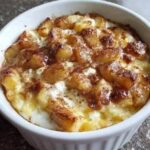

Chia Seed Pudding
Description
Chia seed pudding is a simple, creamy, fiber-rich breakfast or snack made by soaking chia seeds in milk until they develop a soft, pudding-like texture. It is easy to prepare, naturally satisfying, and can be customized with fruit, nuts, cinnamon, vanilla, or other nutritious toppings.
Chia seeds are especially useful in this type of recipe because they absorb liquid and form a gel-like texture. This makes them perfect for creating a creamy pudding without complicated cooking. The recipe can be prepared the night before, making it a convenient option for busy mornings.
Chia seeds contain fiber, plant-based protein, healthy fats, and minerals such as calcium, magnesium, and phosphorus. Their fiber content can contribute to feelings of fullness and support normal digestive health. Chia seeds also contain alpha-linolenic acid, a plant-based omega-3 fatty acid.
Claims that one spoonful of chia seeds can “clean arteries,” cure high cholesterol, or regulate blood sugar should not be treated as guaranteed medical effects. Including chia seeds in a balanced diet may support overall nutrition, but cholesterol and blood-sugar management depend on the entire diet, lifestyle, and individual health circumstances.
This creamy chia pudding is delicious enough to enjoy as a dessert while being practical enough for breakfast or an afternoon snack.
Ingredients
For the Chia Pudding
1/4 cup chia seeds
1 cup milk of your choice
1 tablespoon honey or pure maple syrup
1/2 teaspoon vanilla extract
1/4 teaspoon ground cinnamon
1/2 cup Greek yogurt, optional
Pinch of salt
Optional Toppings
Fresh strawberries
Blueberries
Raspberries
Banana slices
Sliced almonds
Chopped walnuts
Pumpkin seeds
Unsweetened shredded coconut
Peanut butter or almond butter
A small drizzle of honey or maple syrup
Step-by-Step Instructions
Combine the Ingredients
Add chia seeds, milk, honey or maple syrup, vanilla extract, cinnamon, and a small pinch of salt to a medium-sized bowl or jar.
Stir thoroughly with a spoon or whisk. Make sure the chia seeds are evenly distributed throughout the liquid because they can quickly settle at the bottom.
If you are using Greek yogurt, add it at this stage and mix until the mixture is smooth.
Let the Mixture Rest
Allow the mixture to sit at room temperature for approximately 5 to 10 minutes.
After this short resting period, stir it again. This second stirring is important because it helps prevent the chia seeds from clumping together.
Refrigerate
Cover the bowl or jar and place it in the refrigerator.
Let the chia pudding chill for at least 4 hours, although leaving it overnight usually produces the best texture.
During this time, the chia seeds absorb the liquid and develop their characteristic soft, gel-like coating.
Check the Texture
After chilling, stir the pudding thoroughly.
If the pudding is too thick, add a small amount of milk and stir until you reach your preferred consistency.
If it is too thin, add another teaspoon of chia seeds, stir well, and refrigerate for another 30 to 60 minutes.
Add Toppings
Transfer the chia pudding into a serving bowl or glass.
Top with fresh berries, banana slices, nuts, seeds, coconut, or a small amount of nut butter.
Serve chilled.
Cooking Notes
Although this recipe requires no actual cooking, preparation technique makes a big difference in the final texture.
Use fresh chia seeds for the best results. Both black and white chia seeds work well, and their nutritional profiles are very similar.
The type of milk you choose will influence the flavor and nutritional content. Dairy milk adds protein and calcium, while unsweetened almond, soy, oat, or coconut milk can create different flavors and textures.
For a thicker pudding, use slightly less milk or add Greek yogurt. For a thinner pudding, increase the amount of milk.
Stirring the mixture twice during the initial preparation helps distribute the seeds evenly and reduces clumping.
For meal preparation, divide the mixture into individual jars before refrigerating.
Tips for Perfect Chia Seed Pudding
Choose unsweetened milk if you want better control over the amount of added sugar.
Do not add too much sweetener at the beginning. You can always add more after the pudding has chilled.
Always stir the mixture again after several minutes of resting.
Allow enough refrigeration time for the chia seeds to fully absorb the liquid.
Add crunchy toppings shortly before serving so they remain crisp.
Fresh berries work particularly well because their natural tartness balances the creamy pudding.
For extra protein, add Greek yogurt or a spoonful of natural nut butter.
If you prefer a smoother texture, blend the entire mixture before refrigerating. This creates a creamy pudding without the noticeable texture of whole chia seeds.
Flavor Variations
Chocolate Chia Pudding
Add 1 tablespoon unsweetened cocoa powder to the mixture. You can also add a small amount of maple syrup or honey for sweetness.
Berry Chia Pudding
Blend a handful of strawberries or blueberries into the milk before combining it with the chia seeds. Top with additional fresh berries.
Peanut Butter Chia Pudding
Add 1 tablespoon natural peanut butter and mix thoroughly. Top with banana slices for a classic peanut butter and banana combination.
Coconut Chia Pudding
Use unsweetened coconut milk and add shredded coconut. Top with mango or pineapple for a tropical flavor.
Apple Cinnamon Chia Pudding
Add finely chopped apple, cinnamon, and a small amount of maple syrup. Chopped walnuts make an excellent topping.
Serving Suggestions
Chia seed pudding can be served as a breakfast, snack, or healthier dessert.
For breakfast, serve it with fresh berries, banana, Greek yogurt, and chopped nuts.
For a filling snack, add a spoonful of peanut butter or almond butter.
For dessert, layer the pudding with berries and Greek yogurt in a clear glass.
You can also prepare individual jars for grab-and-go breakfasts throughout the week.
A small amount of granola can add crunch, but add it immediately before eating so it does not become soft.
Benefits of Chia Seeds
Chia seeds are a nutrient-dense food that can contribute useful nutrients to a balanced diet.
Rich in Fiber
Chia seeds are particularly high in dietary fiber. Fiber contributes to normal digestive function and can help increase feelings of fullness after eating.
Because chia seeds absorb liquid and expand, they can make meals feel more substantial. It is still important to consume them with adequate fluids.
Source of Plant-Based Omega-3 Fatty Acids
Chia seeds provide alpha-linolenic acid, or ALA, a plant-based omega-3 fatty acid.
ALA is an essential fatty acid, meaning the body needs to obtain it through food.
Provides Minerals
Chia seeds contain minerals, including calcium, magnesium, phosphorus, and manganese. These nutrients play important roles in normal bone, muscle, and metabolic functions.
Provides Plant Protein
Chia seeds contribute plant-based protein. Combining them with Greek yogurt or milk can increase the total protein content of the meal.
May Support Fullness
The combination of fiber, protein, and the ability of chia seeds to absorb liquid can make chia pudding a satisfying food.
However, there is no guarantee that eating one spoonful of chia seeds will suppress hunger for everyone. Appetite is influenced by many factors, including overall food intake, sleep, activity, and individual metabolism.
Cholesterol and Heart Health
A diet that contains adequate fiber and healthy unsaturated fats can be part of an overall heart-healthy eating pattern. Chia seeds can contribute to this pattern.
However, chia seeds do not literally “clean the arteries,” and they should not be considered a treatment for high cholesterol or cardiovascular disease. Anyone with elevated cholesterol should follow advice from a qualified healthcare professional.
Blood Sugar Considerations
Chia seeds contain fiber and relatively little digestible carbohydrate compared with many refined foods. Including fiber-rich foods as part of balanced meals can support better overall dietary quality.
However, chia seeds should not be described as a guaranteed way to regulate or lower blood sugar. People with diabetes or blood-sugar concerns should consider their complete diet and follow individualized medical advice.
Storage Instructions
Keep prepared chia pudding covered in the refrigerator.
It is best consumed within approximately 3 to 5 days.
Store fruit and crunchy toppings separately when preparing multiple portions. Add them immediately before eating for the freshest texture.
Do not leave prepared chia pudding at room temperature for extended periods.
Q/A
Q: How long should chia seeds soak?
For the best pudding texture, refrigerate them for at least 4 hours. Overnight soaking is even more convenient.
Q: Why is my chia pudding not thick?
The mixture may need more time to hydrate, or you may have used too much liquid. Stir it again and refrigerate longer. You can also add a small amount of additional chia seeds.
Q: Why are my chia seeds clumping together?
Chia seeds can stick together when they are not mixed properly. Stir immediately after adding the liquid and stir again after 5 to 10 minutes.
Q: Can I make chia pudding without dairy?
Yes. Almond milk, soy milk, oat milk, coconut milk, and other plant-based milks can be used.
Q: Can I prepare chia pudding the night before?
Yes. Overnight preparation is one of the easiest ways to enjoy this recipe.
Q: Can I use ground chia seeds?
Yes, although whole chia seeds provide the classic pudding texture. Ground chia seeds create a smoother consistency.
Q: Can children eat chia pudding?
Chia seeds can be included in children’s diets when prepared appropriately, but young children should be supervised while eating and should consume adequate fluids. Individual dietary needs should be considered.
Q: Can I eat chia pudding every day?
Chia seeds can be part of a varied, balanced diet. Start with a modest serving if you are not accustomed to eating high-fiber foods.
Servings
This recipe makes approximately 2 servings.
Preparation Time: 5 minutes
Chilling Time: 4 hours or overnight
Total Active Preparation Time: Approximately 10 minutes
Serving Size: Approximately 1 cup
Nutritional Information
Approximate nutrition per serving, before optional toppings:
Calories: 190 kcal
Protein: 7g
Carbohydrates: 20g
Dietary Fiber: 9g
Total Fat: 9g
Saturated Fat: 2g
Sugar: 9g
Calcium: 180mg
Magnesium: 95mg
Nutrition will vary depending on the milk, sweetener, yogurt, and toppings you choose.
Final Thoughts
Chia Seed Pudding is one of the easiest make-ahead recipes for anyone looking for a creamy, satisfying, and versatile breakfast or snack. With just a handful of basic ingredients, you can create a nutritious base and customize it with almost any combination of fruit, nuts, seeds, spices, or nut butter.
The fiber, healthy fats, minerals, and plant-based protein found in chia seeds make them a valuable addition to a balanced eating pattern. However, it is best to avoid treating chia seeds as a miracle food. One spoonful cannot “clean” arteries or independently control cholesterol or blood sugar. Their real value comes from including them as part of an overall nutritious diet.