
Bacon-Wrapped BBQ Beef Roast
Description
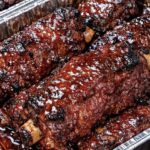
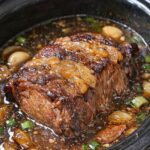
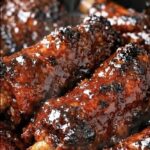
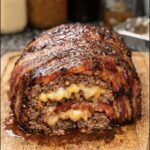
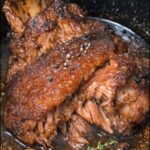
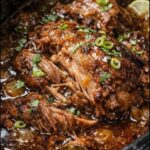
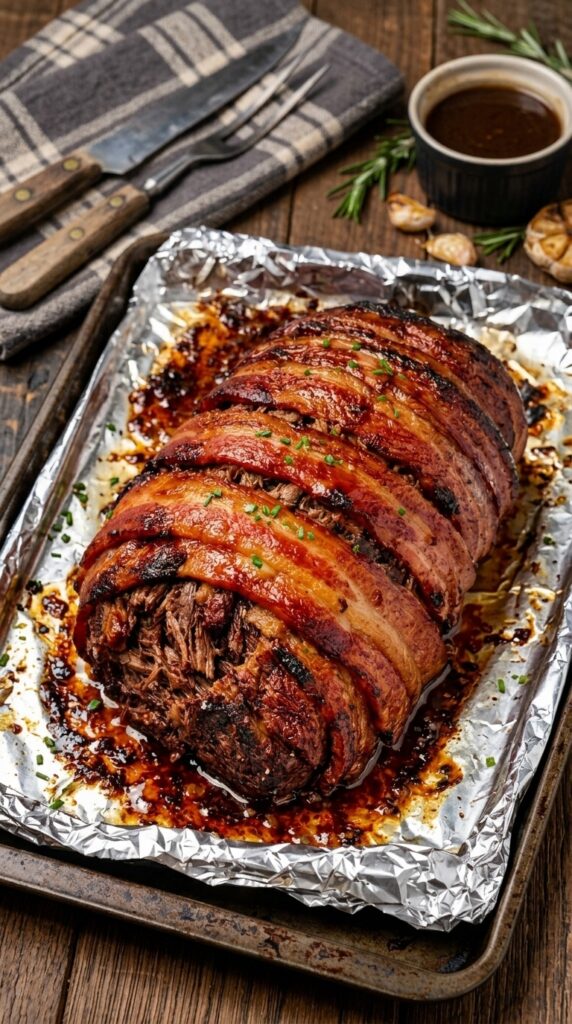
Bacon-Wrapped BBQ Beef Roast is a rich, hearty centerpiece made with a tender beef roast wrapped in smoky bacon and coated with a sweet, savory barbecue glaze. As the roast cooks, the bacon slowly renders its fat over the beef, helping keep the exterior moist while developing beautifully browned, crisp edges. The barbecue glaze caramelizes around the bacon and beef, creating a sticky, deeply flavored crust that pairs perfectly with the juicy meat inside.
This recipe works especially well with chuck roast because slow roasting allows its connective tissue to soften and creates tender, flavorful beef. The combination of bacon, garlic, Worcestershire sauce, smoked paprika, brown sugar, and barbecue sauce produces bold flavor without requiring complicated preparation.
It is an excellent option for a weekend dinner, holiday table, family gathering, or special occasion. Serve it with mashed potatoes, roasted vegetables, mac and cheese, green beans, coleslaw, or a fresh salad. The pan juices can also be turned into a delicious sauce for spooning over each serving.
Prep Time
25 minutes
Cook Time
3½–4½ hours
Resting Time
15–20 minutes
Total Time
About 4½ hours
Servings
6–8 servings
Ingredients
For the Beef Roast
- 3½–4 lb beef chuck roast
- 10–12 slices bacon
- 1 tablespoon olive oil
- 1½ teaspoons salt
- 1 teaspoon freshly ground black pepper
- 1 teaspoon garlic powder
- 1 teaspoon onion powder
- 1 teaspoon smoked paprika
- ½ teaspoon dried thyme
- ½ teaspoon dried rosemary
For the BBQ Glaze
- ¾ cup barbecue sauce
- 2 tablespoons brown sugar
- 1 tablespoon Worcestershire sauce
- 1 tablespoon Dijon mustard
- 1 tablespoon apple cider vinegar
- 2 cloves garlic, minced
- 1 teaspoon smoked paprika
- ½ teaspoon black pepper
For the Roasting Pan
- ½ cup beef broth
- 1 small onion, sliced
- 4 garlic cloves, lightly crushed
- 1 tablespoon butter, optional
For Garnish
- 1 tablespoon chopped fresh chives or parsley
- Fresh rosemary, optional
Instructions
1. Prepare the Beef
Remove the beef roast from the refrigerator about 30 minutes before cooking. This allows the meat to lose some of its refrigerator chill and promotes more even cooking.
Pat the beef thoroughly dry with paper towels. A dry surface helps the seasonings adhere and allows the exterior to brown more effectively.
In a small bowl, combine the salt, black pepper, garlic powder, onion powder, smoked paprika, thyme, and rosemary.
Rub the seasoning mixture evenly over all sides of the beef roast, pressing it gently into the meat.
2. Sear the Roast
Preheat a large skillet over medium-high heat and add the olive oil.
Once the oil is hot, carefully place the roast in the skillet. Sear for approximately 3–4 minutes on the first side without moving it.
Turn the roast and brown the remaining sides for about 2–3 minutes each.
Searing creates a flavorful brown crust and gives the finished roast a deeper, meatier flavor.
Remove the beef from the skillet and allow it to cool for several minutes before wrapping it with bacon.
3. Prepare the BBQ Glaze
In a medium bowl, combine the barbecue sauce, brown sugar, Worcestershire sauce, Dijon mustard, apple cider vinegar, minced garlic, smoked paprika, and black pepper.
Whisk until smooth and thoroughly combined.
Taste the sauce and adjust if desired. Add a little more brown sugar for sweetness, vinegar for tanginess, or smoked paprika for a stronger smoky flavor.
Reserve approximately one-third of the sauce for serving or brushing on the roast toward the end of cooking.
4. Wrap the Beef With Bacon
Place the roast on a clean work surface.
Brush a thin layer of BBQ glaze over the entire beef roast.
Lay the bacon slices across the top of the roast, overlapping each slice slightly. Tuck the bacon ends underneath the roast whenever possible.
Continue arranging the slices until most of the roast is covered.
If needed, secure the bacon using kitchen twine or toothpicks. Remember to remove any toothpicks before serving.
Brush another light layer of barbecue glaze over the bacon.
5. Prepare the Roasting Pan
Preheat the oven to 300°F or 150°C.
Spread the sliced onion and crushed garlic across the bottom of a roasting pan.
Pour the beef broth into the pan.
Place the bacon-wrapped roast over the onions. If you have a roasting rack, you may set the roast on the rack so that air can circulate around it. If not, placing it directly over the onions works well.
Add the butter to the broth if using.
6. Slow Roast
Cover the roasting pan loosely with aluminum foil.
Place the roast in the preheated oven and cook for approximately 3–4 hours.
Cooking time varies depending on the exact size and shape of the roast.
For a chuck roast intended to become very tender, continue cooking until the internal temperature reaches approximately 195–205°F or 90–96°C and the meat feels tender when pierced with a fork.
This higher internal temperature allows tough connective tissue to break down and creates the soft texture associated with slow-roasted chuck beef.
7. Glaze the Roast
About 30 minutes before the roast is finished, carefully remove the foil.
Brush the bacon generously with additional BBQ glaze.
Increase the oven temperature to 400°F or 200°C.
Return the roast to the oven uncovered for approximately 15–25 minutes.
This final blast of higher heat helps crisp the bacon and caramelize the barbecue sauce.
Keep an eye on the roast during this stage because barbecue sauces containing sugar can darken quickly.
8. Optional Broiling
If you would like the bacon even crispier, turn the oven to broil for the final 2–4 minutes.
Watch the roast continuously while broiling. The bacon and glaze can burn quickly.
Remove it as soon as the bacon looks browned and caramelized.
9. Rest the Beef
Transfer the finished roast to a cutting board or serving platter.
Loosely cover it with foil and allow it to rest for at least 15–20 minutes.
Resting is important because it allows the juices inside the beef to redistribute. Cutting the roast immediately may cause too much juice to escape.
10. Slice or Shred
Depending on how long the roast was cooked, you can slice it into thick portions or gently pull it apart.
For slices, cut against the grain using a sharp knife.
For a fall-apart style roast, use two forks to gently separate the beef.
Spoon some of the pan juices over the meat before serving.
Garnish with chopped chives, parsley, or fresh rosemary.
Recipe Notes
Chuck roast is highly recommended because it contains enough fat and connective tissue to stay flavorful during long cooking. Brisket can also be used, although the cooking time may vary.
Choose bacon that is not extremely thick. Regular-cut bacon wraps more easily around the roast and has enough time to crisp while the beef cooks.
Do not apply too much sugary barbecue sauce at the beginning of cooking. A thin coating is sufficient. Most of the glaze should be added near the end so it does not burn.
If the bacon becomes dark before the beef is tender, loosely cover the roast with aluminum foil again and continue cooking.
You can prepare the seasoned and bacon-wrapped roast several hours in advance and keep it refrigerated. Allow it to sit at room temperature for around 20–30 minutes before placing it in the oven.
Tips for the Best Bacon-Wrapped Beef Roast
Select a well-marbled beef chuck roast. Visible streaks of fat help produce moist and flavorful meat.
Pat the roast completely dry before seasoning. Moisture on the surface can interfere with browning.
Do not skip the resting period after cooking. It makes the beef easier to slice and helps preserve its juices.
Use a meat thermometer for the most reliable results. A chuck roast may technically be safe at a lower temperature, but it will not become truly tender until the connective tissue has broken down at a much higher internal temperature.
Use a barbecue sauce you already enjoy because its flavor becomes concentrated as it caramelizes.
For extra heat, add ½ teaspoon cayenne pepper or 1 teaspoon crushed red pepper flakes to the glaze.
For a sweeter glaze, add an extra tablespoon of brown sugar or honey.
For more smoky flavor, add a small amount of liquid smoke to the barbecue sauce. Use it sparingly because it has a very concentrated flavor.
Letting the roast cook slowly is essential. Increasing the temperature significantly to speed up cooking can result in tougher meat.
Serving Suggestions
This roast is rich and savory, so it pairs especially well with simple side dishes.
Serve it with creamy mashed potatoes and spoon the roasting juices over the top. Roasted carrots, green beans, Brussels sprouts, corn, or asparagus add freshness and color.
For a barbecue-style meal, pair it with coleslaw, baked beans, cornbread, potato salad, or macaroni and cheese.
For a lighter option, serve slices of the roast with a crisp green salad, cucumber salad, or roasted vegetables.
Leftover beef is also excellent in sandwiches. Add sliced beef to toasted rolls with extra barbecue sauce, caramelized onions, and cheese.
Storage
Allow leftover roast to cool before storing.
Place the beef in an airtight container with several spoonfuls of the pan juices.
Refrigerate for up to 3–4 days.
To reheat, place the beef in a covered baking dish with a little beef broth or pan sauce. Warm at 300°F until heated through.
Individual portions can also be reheated gently in the microwave.
For longer storage, freeze sliced or shredded beef in freezer-safe containers for up to 2–3 months.
Freeze some of the cooking juices with the beef to help keep it moist.
Thaw overnight in the refrigerator before reheating.
Nutritional Information
Approximate nutrition per serving, based on 8 servings:
- Calories: 520–590
- Protein: 39–44 g
- Carbohydrates: 13–17 g
- Total Fat: 34–39 g
- Saturated Fat: 13–15 g
- Sugar: 10–13 g
- Fiber: 1 g
- Sodium: 900–1,100 mg
- Iron: Approximately 4 mg
- Potassium: Approximately 620 mg
- Calcium: Approximately 40 mg
Nutritional information is an estimate and varies according to the specific beef cut, bacon, barbecue sauce, and serving size.
Benefits
This recipe provides a substantial amount of high-quality protein. Protein plays an important role in supporting muscle maintenance, tissue repair, enzymes, and many other body functions.
Beef is naturally rich in vitamin B12, which helps support normal nerve function and red blood cell formation.
Beef also provides heme iron, a type of iron that is efficiently absorbed by the body. Iron contributes to normal oxygen transport.
Zinc is another important nutrient present in beef. It contributes to immune function and many metabolic processes.
The onions and garlic used in the roasting pan contribute flavor along with small amounts of vitamins and naturally occurring plant compounds.
Because bacon and barbecue sauce can both be relatively high in sodium, portion size matters for anyone monitoring sodium intake. Lower-sodium bacon, broth, and barbecue sauce can be used if preferred.
Frequently Asked Questions
What cut of beef works best?
Chuck roast is the best all-around option because slow cooking makes it tender and flavorful. Brisket can also work very well.
Can I use a lean roast?
You can, but very lean cuts may become drier during prolonged cooking. Chuck roast is preferable because of its marbling.
Can I prepare the roast ahead of time?
Yes. Season and wrap the roast with bacon, cover it tightly, and refrigerate it for up to 24 hours before cooking.
Do I need to sear the beef first?
Searing is not mandatory, but it creates richer flavor and a deeper browned exterior.
How do I keep the bacon from falling off?
Overlap the bacon slightly and tuck the ends underneath the roast. Kitchen twine or toothpicks can also be used to secure it.
Why is my roast still tough?
It probably needs more time. Chuck roast becomes tender only after the collagen and connective tissue have broken down during slow cooking.
Can I make this in a slow cooker?
Yes. Season and sear the beef, wrap it with bacon, and place it in the slow cooker. Cook on LOW for approximately 8–9 hours. For crisp bacon, carefully transfer the finished roast to a baking tray, brush with barbecue sauce, and broil briefly before serving.
Can I use turkey bacon?
Yes, but turkey bacon contains less fat and may not provide quite the same richness or crisp texture.
How can I make the barbecue sauce less sweet?
Use an unsweetened or low-sugar barbecue sauce and reduce or omit the brown sugar. Adding extra apple cider vinegar or mustard can also balance sweetness.
What internal temperature should I aim for?
For a tender chuck roast, approximately 195–205°F is ideal. At this stage, the connective tissue has had enough time to break down.
Can I add vegetables to the roasting pan?
Yes. Carrots, potatoes, onions, and mushrooms can be arranged around the roast. Cut them into large pieces so they hold their shape during the long cooking time.
What should I do with leftover roast?
Use leftovers for BBQ beef sandwiches, tacos, quesadillas, loaded baked potatoes, rice bowls, pasta, sliders, or grilled cheese sandwiches.