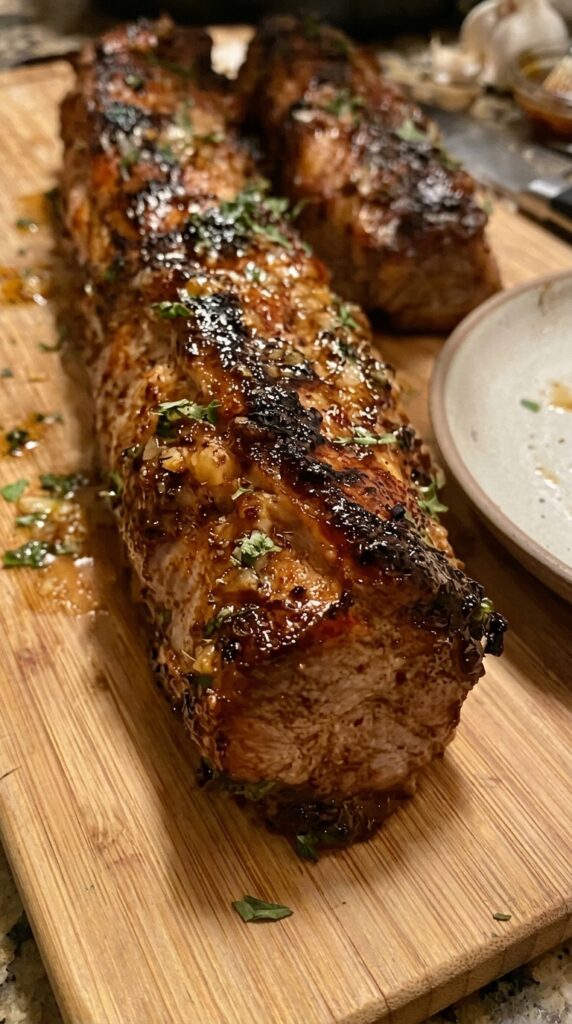

Garlic Butter Glazed Pork Tenderloin – Juicy & Easy Recipe
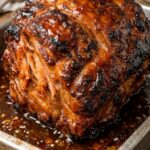
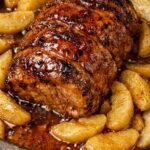
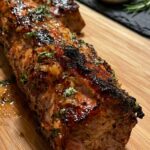
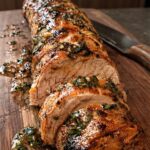
Garlic Butter Glazed Pork Tenderloin is a mouthwatering dinner recipe featuring perfectly seared pork coated in a rich, savory garlic butter glaze. With its golden-brown caramelized crust, tender and juicy center, aromatic herbs, and irresistible buttery sauce, this easy pork tenderloin recipe delivers restaurant-quality results right in your kitchen.
Whether you’re preparing a comforting weeknight dinner, a special family meal, or an elegant holiday feast, this garlic butter pork tenderloin is guaranteed to impress. The combination of fresh garlic, melted butter, honey, Dijon mustard, and fragrant herbs creates a delicious glaze that enhances the pork’s natural flavor.
The best part? This recipe requires simple ingredients, minimal preparation, and approximately 30 minutes of cooking time. With the right techniques, you can achieve beautifully browned pork tenderloin that stays moist and flavorful in every bite.
Why You’ll Love This Garlic Butter Pork Tenderloin
This recipe combines simplicity with bold flavor, making it a fantastic choice for both beginner and experienced home cooks.
Incredibly juicy and tender: Proper searing, roasting, and resting help preserve the pork’s natural moisture.
Rich garlic butter flavor: Fresh garlic and melted butter create an aromatic, savory coating.
Beautiful caramelized crust: A quick skillet sear develops a golden-brown exterior.
Easy preparation: Straightforward ingredients and simple instructions make this recipe beginner-friendly.
Perfect for any occasion: Ideal for family dinners, entertaining guests, or meal preparation.
Versatile side dishes: Pairs beautifully with mashed potatoes, roasted vegetables, rice, and salads.
Recipe Overview
Prep Time
15 minutes
Cook Time
20–30 minutes
Resting Time
5–10 minutes
Servings
6
Cuisine
American
Course
Main Course
Cooking Method: Pan-Seared & Oven-Roasted | Difficulty: Easy | Main Ingredient: Pork Tenderloin
Ingredients for Garlic Butter Glazed Pork Tenderloin
The secret to this flavorful pork tenderloin lies in combining high-quality meat with fresh garlic, rich butter, and a perfectly balanced glaze.
For the Pork Tenderloin
Pork and seasoning
Garlic butter glaze
Garnish
How to Make Garlic Butter Glazed Pork Tenderloin
Follow these step-by-step instructions to create beautifully seared pork tenderloin with a glossy garlic butter coating and juicy interior.
Step 1: Prepare the Pork Tenderloin
Preheat your oven to 400°F (200°C).
Remove the pork tenderloins from their packaging and pat them completely dry with paper towels.
Using a sharp knife, carefully remove the silver skin, a thin, silvery membrane that runs along one side of the tenderloin. Unlike regular fat, silver skin doesn’t soften during cooking and can create a chewy texture.
Trim any excessive surface fat, but avoid removing too much meat.
Drying the tenderloin thoroughly is important because excess moisture prevents proper browning.
Step 2: Season the Pork
In a small bowl, combine kosher salt, black pepper, smoked paprika, garlic powder, onion powder, and dried thyme.
Rub the pork tenderloins with olive oil, then sprinkle the seasoning mixture evenly over every side.
Gently press the seasoning into the meat to help it adhere.
For deeper flavor, season the pork up to several hours ahead and refrigerate it until ready to cook.
The combination of smoked paprika and garlic powder creates a flavorful base that complements the rich butter glaze.
Step 3: Sear the Pork Tenderloins
Heat a large oven-safe cast-iron skillet over medium-high heat.
Once the skillet is hot, add the seasoned pork tenderloins.
Sear for approximately 2–3 minutes per side, turning carefully with kitchen tongs until all sides develop a golden-brown crust.
The searing process creates rich savory flavors through the Maillard reaction.
Avoid moving the pork too frequently while searing, as it needs sufficient contact with the hot skillet to brown properly.
Once browned, temporarily transfer the tenderloins to a clean plate.
Step 4: Prepare the Garlic Butter Glaze
Reduce the skillet heat to medium-low.
Add the unsalted butter and allow it to melt gently.
Stir in the minced garlic and cook for approximately 30–60 seconds, until fragrant. Avoid browning the garlic excessively because burnt garlic can taste bitter.
Add honey, Dijon mustard, soy sauce, lemon juice, Worcestershire sauce, rosemary, thyme, and optional red pepper flakes.
Stir continuously until the ingredients combine into a smooth, glossy sauce.
Allow the glaze to simmer gently for 1–2 minutes.
The honey adds sweetness, Dijon mustard provides tanginess, and fresh garlic delivers a bold, aromatic flavor.
Step 5: Coat the Pork with Garlic Butter
Return the seared pork tenderloins to the skillet.
Using a spoon or silicone brush, generously coat the meat with the warm garlic butter glaze.
Turn each tenderloin carefully to ensure every side is covered.
Spoon additional sauce over the top, allowing the glaze to settle into the browned surface.
The pork should now have a glossy, golden appearance.
Step 6: Roast in the Oven
Transfer the oven-safe skillet to the preheated oven.
Roast the tenderloins for approximately 10–18 minutes, depending on their thickness and the amount of cooking completed during searing.
Halfway through roasting, carefully spoon some of the glaze over the meat.
Use an instant-read meat thermometer to check the thickest part of each tenderloin.
The USDA recommends cooking pork tenderloin to a minimum internal temperature of 145°F (63°C), followed by at least a 3-minute rest.
Avoid overcooking, as pork tenderloin is a lean cut that can dry out quickly.
Step 7: Create the Perfect Caramelized Finish
Once the pork reaches the proper temperature, remove the skillet from the oven.
If you want a slightly darker glaze, briefly place the pork under the broiler before it reaches its final temperature, watching constantly.
Honey can burn quickly under intense heat, so this step requires careful attention.
The finished tenderloins should have a glossy, caramelized crust with darker roasted edges.
Step 8: Rest the Pork
Transfer the cooked tenderloins to a clean cutting board.
Loosely cover them with aluminum foil and allow them to rest for 5–10 minutes.
Resting helps reduce moisture loss when slicing and allows the temperature to stabilize.
During this time, the garlic butter glaze will settle into the surface, creating a flavorful coating.
Step 9: Slice and Serve
Using a sharp knife, slice the pork tenderloin into approximately ½-inch-thick medallions.
Arrange the slices on a serving platter and spoon the warm garlic butter sauce over the top.
If the sauce contains juices that contacted undercooked pork, bring it to a full boil before serving.
Sprinkle with freshly chopped parsley and add lemon wedges if desired.
Serve immediately with your favorite side dishes.
Expert Tips for Perfect Garlic Butter Pork Tenderloin
1. Use Pork Tenderloin, Not Pork Loin
Although the names sound similar, pork tenderloin and pork loin are different cuts.
Pork tenderloin is long, narrow, and naturally tender. Pork loin is larger and thicker, requiring a different cooking time.
For this recipe, choose pork tenderloin for the best results.
2. Remove the Silver Skin
Silver skin is a tough membrane that doesn’t break down during cooking.
Removing it before seasoning ensures a more tender texture and improves the finished presentation.
3. Don’t Overcook the Meat
Pork tenderloin is lean, making it particularly sensitive to overcooking.
Use a digital meat thermometer and remove the pork when it reaches a safe internal temperature.
4. Use Fresh Garlic
Freshly minced garlic provides a stronger aroma and more complex flavor than garlic powder alone.
Cook garlic gently in butter to avoid bitterness.
5. Sear Before Roasting
Searing creates a rich, caramelized exterior while oven roasting finishes cooking the interior more evenly.
This combination produces a beautiful crust and juicy center.
6. Balance the Glaze
Honey provides sweetness, while mustard and lemon juice add acidity.
Taste the sauce before adding it to the pork and adjust the flavors according to your preference.
7. Allow Proper Resting Time
Cutting into pork immediately after cooking can cause excess juices to escape.
A short resting period helps preserve moisture and tenderness.
Best Side Dishes for Garlic Butter Pork Tenderloin
This delicious garlic butter pork tenderloin pairs wonderfully with a variety of classic side dishes.
Creamy Garlic Mashed Potatoes: Smooth, buttery potatoes absorb the rich garlic glaze and complement the tender pork.
Roasted Asparagus: Lightly roasted asparagus adds freshness and a pleasant contrast to the savory meat.
Honey Glazed Carrots: Sweet roasted carrots enhance the caramelized flavors of the pork.
Garlic Butter Green Beans: Crisp-tender green beans provide color, texture, and additional garlic flavor.
Steamed White Rice: Fluffy rice absorbs the buttery sauce, creating a simple and satisfying meal.
Roasted Baby Potatoes: Crispy potatoes seasoned with rosemary and garlic make an excellent accompaniment.
For a complete dinner, serve sliced pork tenderloin with mashed potatoes, roasted vegetables, and a fresh garden salad.
Delicious Recipe Variations
Honey Garlic Pork Tenderloin
Increase the honey to 3 tablespoons for a sweeter, stickier glaze.
This version develops a beautiful golden coating and pairs especially well with rice or roasted vegetables.
Spicy Garlic Butter Pork
Add ½ teaspoon cayenne pepper or 1 teaspoon chili flakes to the glaze.
The added heat balances the richness of the butter and the sweetness of the honey.
Lemon Herb Pork Tenderloin
Replace the honey with an additional tablespoon of lemon juice and add extra rosemary, thyme, and parsley.
This variation offers a lighter, herb-forward flavor.
Balsamic Garlic Pork Tenderloin
Replace the soy sauce with 2 tablespoons of balsamic vinegar.
The balsamic vinegar adds a slightly sweet, tangy depth that complements roasted pork beautifully.
How to Store and Reheat Leftovers
Proper storage helps preserve the flavor and tenderness of leftover pork tenderloin.
Refrigeration: Allow the pork to cool briefly, then transfer it to an airtight container. Refrigerate within two hours of cooking and consume within 3–4 days.
Freezing: Wrap sliced or whole cooked tenderloin tightly and freeze for up to 2–3 months for best quality.
Reheating: Place the pork in a covered baking dish with a splash of broth or leftover sauce. Reheat gently in a 300°F (150°C) oven until the center reaches 165°F (74°C).
Avoid prolonged reheating because lean pork tenderloin can become dry.
Leftover pork can also be used in sandwiches, wraps, salads, grain bowls, and fried rice.
Frequently Asked Questions
What temperature should pork tenderloin be cooked to?
Pork tenderloin should reach a minimum internal temperature of 145°F (63°C), followed by a rest of at least 3 minutes. A digital thermometer provides the most accurate results.
How do I keep pork tenderloin juicy?
Avoid overcooking, use a meat thermometer, and allow the meat to rest before slicing. Searing and coating it with garlic butter also enhance its flavor and eating quality.
Can I make garlic butter pork tenderloin without an oven?
Yes. Sear the tenderloin in a covered skillet over medium-low heat, turning occasionally until the center reaches 145°F (63°C). Cooking time depends on thickness.
Can I prepare this recipe ahead of time?
Yes. You can trim and season the pork several hours in advance and prepare the glaze separately. Refrigerate everything until ready to cook.
Why is my pork tenderloin dry?
The most common cause is overcooking. Because tenderloin is naturally lean, cooking it too long can quickly reduce its moisture.
Can I use frozen pork tenderloin?
Yes, but thaw it completely in the refrigerator before following this recipe. This ensures more even cooking and allows proper seasoning.
Can I substitute olive oil for butter?
Yes. Olive oil can replace butter, although the sauce will have a different flavor and texture. For the classic garlic butter taste, unsalted butter is recommended.
Nutritional Information
Estimated per serving (1/6 of the recipe)
Calories
350–420 kcal
Protein
35–42 g
Total Fat
19–25 g
Carbohydrates
7–10 g
Sugar
6–8 g
Sodium
650–900 mg
Values are approximate and vary with tenderloin size, brands, and the amount of glaze consumed.
Final Thoughts
This Garlic Butter Glazed Pork Tenderloin Recipe is a delicious combination of tender meat, golden-brown caramelization, aromatic garlic, and rich buttery sauce.
With simple ingredients and an easy pan-searing and oven-roasting method, you can create an impressive main course without spending hours in the kitchen.
The key to success is choosing fresh pork tenderloin, seasoning generously, developing a flavorful crust, and carefully monitoring the internal temperature.
Whether you’re cooking for a weeknight family dinner, celebrating a special occasion, or entertaining guests, this garlic butter pork tenderloin is a flavorful and satisfying choice.
Serve it with creamy mashed potatoes, roasted vegetables, or fluffy rice, and enjoy a homemade meal that looks and tastes like something from your favorite restaurant.