
Juicy Grilled Ribeye Steak Recipe – Tender & Flavorful
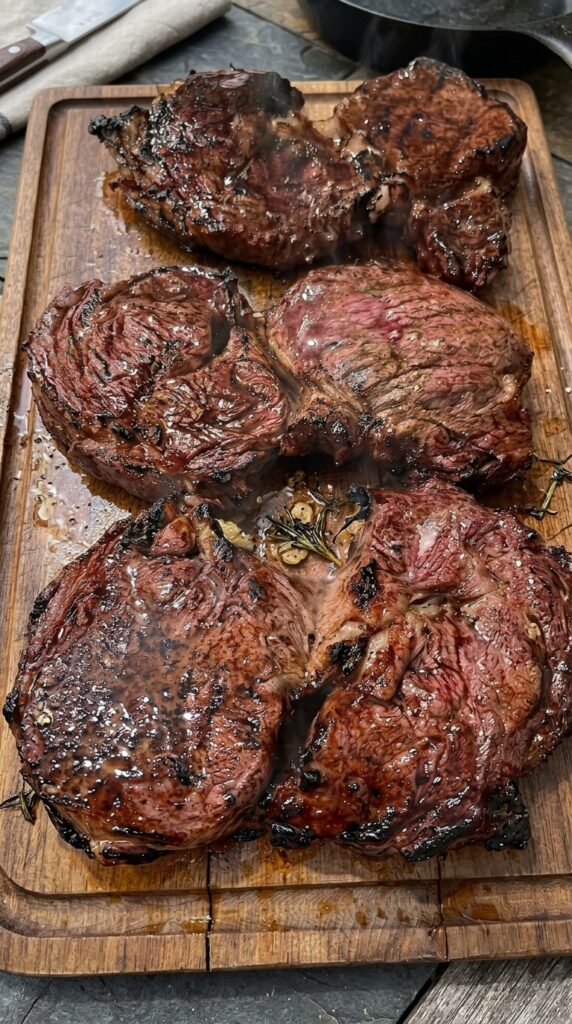
There’s nothing quite like a perfectly grilled ribeye steak with a beautifully caramelized crust, a juicy, tender center, and rich, smoky flavor. Whether you’re preparing a special weekend dinner, hosting a backyard barbecue, or simply craving a restaurant-quality steak at home, this Juicy Grilled Ribeye Steak Recipe delivers incredible results with just a handful of ingredients.
The secret to an unforgettable ribeye steak lies in choosing quality beef, seasoning it generously, cooking it over high heat, and allowing it to rest before serving. With the right techniques, you can create a steak that is beautifully seared on the outside while remaining tender and flavorful on the inside.
This recipe will guide you through every step, including preparing the steaks, achieving the perfect grill marks, controlling doneness, and making a delicious garlic herb butter to finish.
Why You’ll Love This Grilled Ribeye Steak Recipe
Ribeye is one of the most flavorful cuts of beef because of its natural marbling. As the steak cooks, the intramuscular fat renders, helping create a rich, juicy texture.
This recipe is perfect for both beginners and experienced home cooks. You don’t need complicated marinades or expensive equipment to achieve excellent results.
Here are a few reasons this recipe deserves a place in your collection:
Incredible flavor: A smoky, caramelized crust combines with rich, buttery beef.
Simple ingredients: Salt, pepper, garlic, herbs, and butter are all you need.
Quick preparation: The steaks cook in approximately 8–14 minutes, depending on thickness and temperature.
Restaurant-quality results: High heat and proper resting produce tender, juicy steaks.
Versatile serving options: Pair with mashed potatoes, roasted vegetables, salad, or grilled corn.
Recipe Overview
Prep Time
15 minutes
Cook Time
8–14 minutes
Resting Time
10 minutes
Servings
4 people
Cuisine
American
Course
Main Course
Cooking Method: Outdoor grill or cast-iron skillet | Difficulty: Easy to Moderate
Ingredients for Juicy Grilled Ribeye Steak
The beauty of a great ribeye steak is that it doesn’t require an extensive ingredient list. High-quality beef and a few carefully selected seasonings create exceptional flavor.
For the Ribeye Steaks
For the Garlic Herb Butter
4 tablespoons unsalted butter, softened
3 garlic cloves, finely minced
1 tablespoon freshly chopped parsley
1 teaspoon fresh rosemary, finely chopped
1 teaspoon fresh thyme leaves
½ teaspoon freshly ground black pepper
1 teaspoon fresh lemon juice (optional)
How to Make the Perfect Grilled Ribeye Steak
Step 1: Choose High-Quality Ribeye Steaks
Start by selecting fresh, well-marbled ribeye steaks. Look for thin streaks of white fat distributed throughout the meat. This marbling contributes significantly to the steak’s flavor, tenderness, and juiciness.
Steaks approximately 1–1½ inches thick are ideal for grilling because they allow you to develop a flavorful exterior without overcooking the center.
USDA Choice or Prime ribeye steaks are excellent options, but any fresh, properly handled ribeye with good marbling can produce delicious results.
Step 2: Prepare the Steaks
Remove the ribeye steaks from their packaging and pat them thoroughly dry using paper towels.
Removing surface moisture is essential because excess water creates steam and prevents the meat from developing a deep brown crust.
Keep the steaks refrigerated until shortly before cooking. You can let them stand briefly while preparing the grill, but avoid leaving raw beef at room temperature for more than two hours, or one hour in temperatures above 90°F (32°C).
Lightly coat both sides of each steak with olive oil or avocado oil.
Step 3: Season Generously
In a small bowl, combine kosher salt, black pepper, garlic powder, smoked paprika, and onion powder.
Sprinkle the seasoning mixture evenly over both sides of the steaks, gently pressing it into the surface.
For deeper seasoning, salt the steaks 1–24 hours ahead of time and refrigerate them uncovered on a rack. This dry-brining technique helps the salt penetrate the meat while drying the exterior for improved browning.
If you’re short on time, seasoning immediately before grilling also works beautifully.
Step 4: Prepare the Garlic Herb Butter
In a small mixing bowl, combine softened butter, minced garlic, parsley, rosemary, thyme, black pepper, and lemon juice.
Mix until all the ingredients are evenly distributed.
Transfer the butter onto parchment paper and roll it into a small log. Refrigerate until firm.
This flavorful compound butter will melt over the hot steaks after grilling, adding a rich, aromatic finish.
For a more intense garlic flavor without the sharpness of raw garlic, use roasted garlic instead.
Step 5: Preheat the Grill
Preheat your gas or charcoal grill to approximately 450–500°F (232–260°C).
A properly heated grill is essential for creating a deeply caramelized crust.
Clean the grill grates thoroughly and lightly oil them to reduce sticking.
If using charcoal, arrange the coals to create two cooking zones: one side with direct high heat and another with lower indirect heat.
This setup gives you better control, especially when grilling thicker ribeye steaks.
Step 6: Grill the Ribeye Steaks
Place the seasoned ribeye steaks directly onto the hot grill grates.
Allow them to cook undisturbed for approximately 3–5 minutes on the first side, depending on thickness and grill temperature.
Flip the steaks using sturdy grilling tongs and cook for another 3–5 minutes.
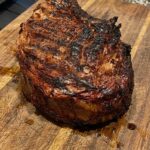
For attractive grill marks, rotate each steak about 45 degrees halfway through cooking on each side.
Avoid pressing down on the steaks with a spatula. Pressing squeezes flavorful juices out of the meat.
If the exterior begins browning too quickly, transfer the steaks to the cooler section of the grill and continue cooking gently.
Step 7: Check the Internal Temperature
The most reliable way to determine steak doneness is by using an instant-read meat thermometer.
Insert the thermometer into the thickest part of the steak, avoiding large pockets of fat or bone.
The following temperatures are common culinary targets:
| Doneness | Final Internal Temperature |
|---|---|
| Rare | 120–125°F (49–52°C) |
| Medium-Rare | 130–135°F (54–57°C) |
| Medium | 140–145°F (60–63°C) |
| Medium-Well | 150–155°F (66–68°C) |
| Well-Done | 160°F+ (71°C+) |
These are culinary doneness preferences, not all food-safety recommendations. The USDA recommends cooking whole beef steaks to 145°F (63°C), followed by at least a 3-minute rest.
Because steak temperature continues rising after removal from the grill, you can account for approximately 5°F of carryover cooking when planning your final temperature.
Step 8: Add Garlic Herb Butter
Once the steaks reach your intended cooking temperature, transfer them to a clean cutting board or serving platter.
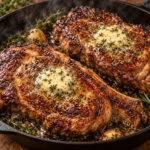
Immediately place a small slice of prepared garlic herb butter on each steak.
The residual heat will slowly melt the butter, allowing the garlic and herbs to coat the surface.
For additional richness, spoon the melted butter over the steaks before serving.
Step 9: Rest Before Serving
Allow the steaks to rest for approximately 5–10 minutes before slicing.
Resting helps reduce the amount of juice lost when cutting the meat.
Loosely tent the steaks with aluminum foil if necessary, but avoid wrapping them tightly because trapped steam can soften the beautifully seared crust.
After resting, slice the steaks against the grain for the most tender eating experience.
Serve immediately while warm.
Expert Tips for the Best Ribeye Steak
1. Choose steaks with good marbling. Intramuscular fat enhances flavor and tenderness. Ribeye is naturally well-marbled, making it especially suitable for high-temperature grilling.
2. Dry the surface thoroughly. Moisture is the enemy of a good sear. Patting the steaks dry before seasoning helps produce the rich brown crust that makes grilled steak so appealing.
3. Use high heat wisely. A hot grill creates excellent browning, but extremely high heat can burn the outside before the center is properly cooked. Move the steak to indirect heat whenever necessary.
4. Avoid excessive flipping and handling. Allow sufficient contact time to develop a crust. However, flipping more frequently is perfectly acceptable if it helps control cooking.
5. Invest in a meat thermometer. Cooking times are estimates because steak thickness, starting temperature, and grill performance vary. Internal temperature is a much more reliable guide.
6. Finish with butter rather than starting with it. Whole butter can burn over direct high heat. Adding it after grilling preserves its rich flavor and aromatic herbs.
Delicious Side Dishes to Serve with Ribeye Steak
A perfectly grilled ribeye deserves equally delicious side dishes.

Creamy Garlic Mashed Potatoes
Smooth, buttery mashed potatoes complement the rich beef and absorb the melted garlic herb butter beautifully.

Grilled Corn on the Cob
Sweet corn with smoky char marks offers a delicious contrast to the savory steak.

Garlic Roasted Asparagus
Tender asparagus with crispy edges adds freshness and balances the richness of the meat.
Other excellent choices include baked potatoes, roasted mushrooms, crispy potato wedges, fresh garden salad, and sautéed green beans.
Variations of Grilled Ribeye Steak
Smoky BBQ Ribeye Steak
Brush the steaks with a small amount of your favorite barbecue sauce during the final minute of grilling.
The sauce will create a glossy, lightly caramelized coating. Avoid adding sugary sauces too early because they can burn over high heat.
Garlic Butter Cast-Iron Ribeye
If an outdoor grill isn’t available, heat a heavy cast-iron skillet over medium-high to high heat.
Add a small amount of high-smoke-point oil and sear the steaks on both sides.
Reduce the heat near the end of cooking, add butter, crushed garlic, and rosemary, then spoon the melted butter over the steaks.
Spicy Cajun Ribeye
Replace the traditional seasoning mixture with Cajun seasoning, smoked paprika, cayenne pepper, and garlic powder.
This variation adds a bold, spicy kick while preserving the natural richness of the beef.
Rosemary and Black Pepper Ribeye
For a simpler, aromatic version, season generously with coarse black pepper, kosher salt, fresh rosemary, and a touch of garlic.
Finish with unsalted butter for a classic steakhouse flavor.
How to Store and Reheat Leftover Ribeye Steak
Proper storage helps preserve the flavor and texture of leftover steak.
Refrigeration: Allow the steak to cool briefly, then place it in an airtight container. Refrigerate within two hours of cooking, or within one hour if the surrounding temperature exceeds 90°F (32°C). Consume within 3–4 days.
Freezing: Wrap cooked steak tightly in freezer-safe packaging and freeze for up to 2–3 months for best quality.
Reheating: Preheat your oven to 250°F (121°C). Place the steak on a wire rack over a baking sheet and warm gently until heated through. For food safety, reheat leftovers to 165°F (74°C).
You can also slice leftover ribeye thinly and use it in steak sandwiches, tacos, salads, or rice bowls.
Frequently Asked Questions
What makes ribeye steak so juicy?
Ribeye contains generous intramuscular fat, commonly called marbling. As the steak cooks, this fat softens and contributes to its rich flavor and succulent texture.
Should I marinate ribeye steak before grilling?
Marinating is optional. Because ribeye is naturally tender and flavorful, simple seasoning with salt and pepper is usually sufficient. However, marinades containing garlic, herbs, oil, and mild acidity can add extra flavor.
How long should I grill a 1-inch ribeye steak?
A 1-inch ribeye typically takes approximately 8–12 minutes over a hot grill, depending on the desired doneness and actual grill temperature. Always use a meat thermometer rather than relying solely on cooking time.
Is ribeye better grilled or pan-seared?
Both methods produce delicious results. Grilling adds smoky flavor and charred edges, while pan-searing offers consistent surface contact and makes butter-basting easier.
Should I cover ribeye steak while grilling?
Closing the grill lid can help thicker steaks cook more evenly. For thinner steaks over intense direct heat, leaving the lid open may provide better control.
Why is my ribeye steak tough?
Overcooking, cutting with the grain, or using a very lean steak can contribute to toughness. Choose well-marbled beef, monitor internal temperature, and slice against the grain.
Nutritional Information
Estimated per serving, based on a 10–12 oz raw ribeye with a portion of garlic herb butter
Calories
750–950 kcal
Protein
55–70 g
Total Fat
55–75 g
Carbohydrates
1–3 g
Sugar
0–1 g
Sodium
650–950 mg
Values are rough estimates and vary considerably with marbling, fat trimming, steak size, salt, and butter consumed.
Final Thoughts
A perfectly grilled ribeye steak is one of the most satisfying meals you can prepare at home. With its deeply caramelized crust, juicy interior, smoky aroma, and rich garlic herb butter, this recipe transforms a simple cut of beef into an unforgettable dining experience.
The key to success is selecting well-marbled ribeye steaks, seasoning them properly, cooking over controlled high heat, and checking the internal temperature carefully.
Whether you’re preparing a romantic dinner, celebrating a special occasion, or enjoying a family barbecue, this Juicy Grilled Ribeye Steak Recipe is sure to impress.