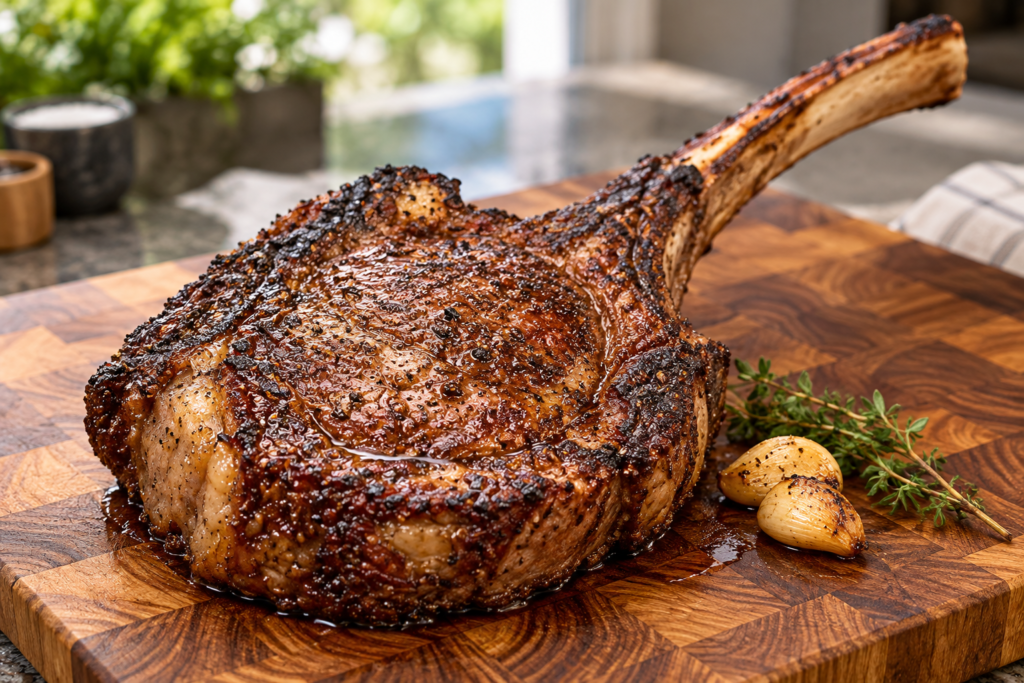

Reverse-seared tomahawk steak
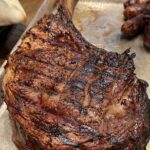
Reverse-seared tomahawk steak combines a deeply browned exterior with a tender center and a fragrant garlic butter finish. The method starts in a low oven, which gently warms the thick steak, and finishes with a hot sear to develop the crust.
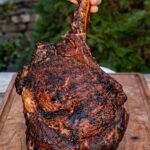
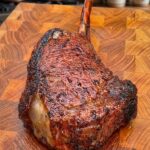
A tomahawk is a bone-in ribeye with a long, exposed rib bone. Its generous thickness makes it well suited to reverse searing because the center has time to cook before the surface receives intense heat.
You only need a few ingredients: steak, salt, pepper, cooking oil, butter, garlic, and fresh herbs. The beef provides most of the flavor, while the butter carries the aroma of garlic and thyme across the crust.
A meat thermometer is the most useful tool for this recipe. Steak thickness, starting temperature, and oven performance all affect cooking time, so temperature should guide you more than the clock.
Ingredients for reverse-seared tomahawk steak
1 tomahawk ribeye steak, approximately 2½–3 pounds (1.1–1.4 kg), about 2 inches thick
8 g kosher salt, approximately 1¾ teaspoons Morton or 2¾ teaspoons Diamond Crystal
1 teaspoon coarsely ground black pepper
1 tablespoon avocado oil or another high-heat cooking oil
3 tablespoons unsalted butter
4 garlic cloves, peeled and lightly crushed
3–4 sprigs fresh thyme or 2 small rosemary sprigs
Instructions for reverse-seared tomahawk steak
Step 1: Dry and season the steak
Pat the steak thoroughly dry with paper towels, including the sides and the area near the bone.
Season the meat evenly with the measured salt. If time allows, place it on a rack over a tray and refrigerate uncovered for 8–24 hours. This seasons the meat and helps dry the surface for better browning.
If cooking immediately, season just before placing it in the oven. There is no need to leave a large steak on the counter for hours.
Step 2: Prepare the oven
Preheat the oven to 250°F (120°C).
Set an oven-safe wire rack inside a rimmed baking sheet. Place the steak on the rack so warm air can circulate around the meat.
Insert an oven-safe probe thermometer into the thickest part, approaching from the side if possible. Keep the tip away from the bone and large pockets of fat.
Step 3: Slowly roast the steak
Roast until the center reaches approximately 130–135°F (54–57°C), usually 45–75 minutes for a steak around 2 inches thick.
This is an intermediate temperature before searing, not the finished serving temperature. Begin checking early if the steak is thinner, and allow extra time for a thicker cut.
The surface should look dry rather than browned. That is expected: the crust develops in the next stage.
Step 4: Heat the cooking surface
Near the end of the oven stage, heat a large cast-iron skillet or heavy griddle over medium-high to high heat.
The meat must sit flat against the cooking surface. If the long bone prevents contact with the bottom of your skillet, use a flat griddle or a suitable grill instead.
Add the oil just before the steak. It should shimmer without producing prolonged, heavy smoke.
Step 5: Sear both sides
Transfer the steak to the hot cooking surface using sturdy tongs. Sear for approximately 60–90 seconds per side, checking the crust rather than relying only on time.
Briefly hold the fatty edge against the surface for another 30–60 seconds if needed. Avoid pressing down on the steak, which can force out juices.
If the crust darkens too quickly, reduce the heat. The goal is a rich brown surface without a burnt coating.
Step 6: Add garlic butter and herbs
Reduce the heat to medium-low. Let the pan cool briefly if it is extremely hot, then add the butter, crushed garlic, and thyme or rosemary.
When the butter foams, carefully tilt the skillet and spoon the melted butter over the steak for 1–2 minutes. Add the black pepper during this stage.
The butter should smell nutty and aromatic. If it starts turning black, stop basting and remove the steak from that pan.
Step 7: Check the final temperature
Check the thickest part with an instant-read thermometer, avoiding the bone.
For standard food-safety guidance, cook whole-cut beef to 145°F (63°C) before removing it from the heat, then rest for at least three minutes. This recipe follows that endpoint.
If the crust is ready but the center remains below 145°F, return the steak to the low oven and check every few minutes. This finishes the center without burning the exterior.
Step 8: Rest the steak
Transfer the steak to a clean cutting board and rest for approximately 10 minutes.
Leave it uncovered or cover very loosely with foil. Tight wrapping traps steam and softens the crust.
Spoon a little garlic butter over the steak, reserving the rest for serving. The internal temperature may continue to rise during the rest.
Step 9: Slice and serve
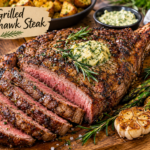
Cut along the bone to separate the meat, then slice across the grain into strips approximately ½ inch thick.
Arrange the slices beside the bone and spoon over a little reserved garlic butter. Serve promptly with your chosen sides.
Tips for the Best Reverse-Seared Tomahawk Steak
Choose a thick cut. Reverse searing is especially useful for steaks around 1½–2 inches thick or more. Thin steaks can overcook during the finishing sear.
Dry the surface well. Moisture slows browning. Pat the steak dry before seasoning, and use uncovered refrigeration when practical.
Measure salt by weight. Different kosher salts have very different crystal sizes. Weighing avoids accidental oversalting.
Check more than one spot. A large bone-in steak may cook unevenly. Take a second temperature reading in another thick section.
Add butter after searing. Butter burns more readily than high-heat cooking oil. Use oil for the crust and butter for the final basting.
Keep the meat flat. A long bone resting on a skillet rim can lift the steak away from the pan and prevent an even sear.
Recipe Notes and Variations For reverse-seared tomahawk steak
A thick cowboy ribeye works well with the same method. It has a shorter bone, which often makes it easier to fit into a skillet. A boneless ribeye also works, but its cooking time may differ.
Use rosemary for a stronger herbal flavor or thyme for a milder finish. Crushed garlic cloves are preferable to minced garlic here because small garlic pieces burn quickly in a hot pan.
For a grill finish, roast the steak in the oven as directed, then sear it over direct high heat. Prepare the garlic butter separately in a small pan and spoon it over the cooked steak.
Do not use the same timing for a thin supermarket steak. The thermometer readings remain more useful than the estimated minutes.
Make Everyday Cooking Easier
Discover 60+ high-protein, low-carb recipes with simple instructions and everyday ingredients. Explore breakfasts, lunches, dinners, salads, and snacks—plus a 30-day meal plan to help you plan ahead.
Get the Elite Protein Kitchen Cookbook
Storage and Reheating for reverse-seared tomahawk steak
Refrigerate leftovers in a shallow covered container within two hours of cooking. Use within 3–4 days.
For gentle reheating, place the steak in a covered oven-safe dish with a small splash of broth. Warm at 250°F (120°C) until heated through. Reheated leftovers should reach 165°F (74°C), which will cook the meat further than its original doneness.
Thin slices can also be warmed briefly in a skillet with a little broth. Avoid prolonged high heat, which can make them tough.
Freeze tightly wrapped portions for up to 2–3 months for best quality. Thaw in the refrigerator before reheating.
Serving Ideas for reverse-seared tomahawk steak
Serve this garlic butter steak with roasted potatoes, sautéed mushrooms, or steamed green beans. A crisp salad with lemon dressing balances the richness of the ribeye.
For a larger dinner, slice the steak for sharing and serve with roasted cauliflower or Brussels sprouts. Spoon the butter over individual portions so everyone can choose how much to add.
Leftover slices work well in sandwiches, grain bowls, or a warm steak salad.
Estimated Nutritional Information Slow Cooker Garlic Onion Pot Roast
Per serving, assuming four servings and approximately 170 g cooked edible beef per person, plus some garlic butter:
Calories: approximately 550–650
Protein: approximately 40–45 g
Fat: approximately 42–52 g
Carbohydrates: approximately 1–2 g
Actual values vary substantially with marbling, bone weight, trimming, and the amount of butter consumed. Side dishes are not included.
Nutrition Notes
Beef provides protein, iron, zinc, and vitamin B12. Ribeye is also a fatty cut, and the butter adds saturated fat.
Serving it with vegetables and choosing a portion that suits your appetite helps create a more varied meal.
Frequently Asked Questions for reverse-seared tomahawk steak
Why reverse-sear a tomahawk steak?
The gentle oven stage gives you more control over the center before the brief, hot sear creates the crust.
Can I make this without a thermometer?
Timing alone is unreliable for a thick steak. A thermometer is strongly recommended for both doneness and food safety.
Why is my steak not developing a crust?
The surface may be wet, the pan insufficiently heated, or the bone preventing full contact. Dry the steak and check how it sits in the pan.
Can I use salted butter?
Yes, but it adds more salt to the finished dish. Unsalted butter gives you greater control.
Does the steak need to reach room temperature first?
No. You can cook it directly from the refrigerator. Allow the thermometer to guide the oven stage.
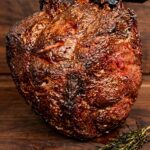
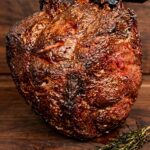
Can the inside be identified from the reference photo?
No. The exterior does not establish the steak’s internal temperature or doneness. Use a thermometer when preparing it