
Fluffy Orange Ricotta Pancakes
Prep Time: 15 minutes
Cook Time: 15–20 minutes
Total Time: 30–35 minutes
Servings: 4
Yield: About 12 small pancakes
Orange ricotta pancakes have golden edges, tender centers, and a fresh citrus flavor. Ricotta gives the batter a creamy texture, while orange zest adds fragrance without making the mixture too thin.
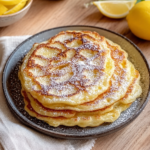
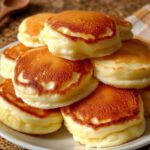
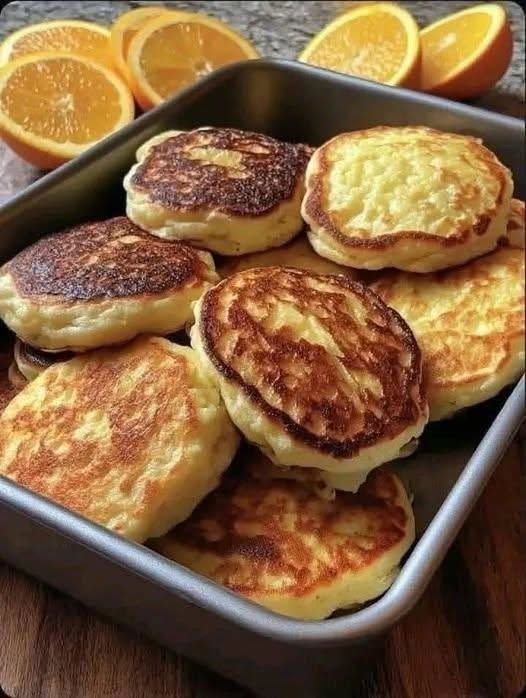
The photograph appears to show thick, pan-cooked pancakes with a slightly uneven cheese-rich texture, served beside fresh oranges. This recipe is an orange ricotta interpretation designed to recreate that appearance; the exact ingredients cannot be confirmed from the image alone.
Serve them warm for breakfast or brunch with orange slices, a spoonful of yogurt, or a light drizzle of honey. Their gentle sweetness also makes them enjoyable with just a dusting of powdered sugar.
Ingredients for orange ricotta pancakes
- 1 cup (250 g) whole-milk ricotta cheese, drained if watery
- 2 large eggs, separated
- ⅓ cup (80 ml) whole milk, plus a little extra if needed
- 2 tablespoons fresh orange juice
- 1 tablespoon finely grated orange zest
- 2 tablespoons granulated sugar
- 1 teaspoon vanilla extract
- 1 cup (125 g) all-purpose flour
- 1½ teaspoons baking powder
- ¼ teaspoon salt
- 1 tablespoon unsalted butter, melted and slightly cooled
- 1–2 tablespoons neutral oil or additional butter, for cooking
Optional serving ingredients:
- Fresh orange segments
- Plain Greek yogurt
- Honey or maple syrup
- Powdered sugar
- Chopped pistachios or sliced almonds
Instructions for orange ricotta pancakes
Step 1: Prepare the ricotta and orange
If the ricotta has visible liquid around it, place it in a fine-mesh strainer for 10–15 minutes while you prepare the other ingredients. It should be creamy and moist without being watery.
Wash and dry the orange, then grate only the colored outer peel. Avoid the white pith underneath, which can taste bitter. Squeeze enough juice to measure two tablespoons.
Step 2: Combine the dry ingredients
In a medium bowl, whisk together the flour, baking powder, and salt.
Breaking up any small lumps now makes it easier to combine the batter later without excessive stirring. Set the bowl aside while you prepare the wet mixture.
Step 3: Mix the wet ingredients
In a large bowl, whisk the egg yolks with the sugar, milk, orange juice, orange zest, vanilla, and melted butter.
Add the ricotta and stir until evenly distributed. Small ricotta curds are welcome; they help create the tender, slightly textured centers visible in the photograph. You do not need to beat the mixture completely smooth.
Step 4: Beat the egg whites
Using a clean whisk or electric mixer, beat the egg whites in a separate clean bowl until soft peaks form.
When you lift the whisk, the peaks should gently bend at the tips. Avoid beating them until dry or stiff, as that makes them harder to incorporate into the thick batter.
Step 5: Finish the batter
Add the dry ingredients to the ricotta mixture. Stir gently with a spatula just until the flour disappears.
Fold in about one-third of the beaten egg whites to loosen the mixture. Add the remaining whites and fold gently until no large white streaks remain.
The batter should be thick and scoopable, slowly dropping from a spoon. If it is unusually stiff because your ricotta is very dry, fold in an additional tablespoon of milk.
Step 6: Heat the pan
Heat a large nonstick skillet or griddle over medium-low heat. Add a thin coating of oil or butter.
The pan should be hot enough for the batter to sizzle gently. If butter immediately darkens or smokes, lower the heat and let the pan cool slightly before cooking.
Step 7: Cook the first side
Scoop approximately ¼ cup of batter per pancake into the skillet. Gently spread each portion into a small round about 3–3½ inches wide.
Leave space between the pancakes so you can turn them easily. Cook for about 3–4 minutes, until the undersides are golden and the edges begin to look set. This thick batter may produce fewer surface bubbles than ordinary pancake batter.
Step 8: Flip and finish
Slide a thin spatula completely underneath each pancake and turn carefully. Cook for another 2–3 minutes, adjusting the heat as needed.
The pancakes should feel lightly springy, with set centers and no wet batter inside. Check one from the first batch by cutting it open. If the outside browns before the center cooks, reduce the heat for the remaining batches.
Step 9: Serve warm
Transfer the cooked pancakes to a plate or wire rack. Repeat with the remaining batter, adding a little more oil or butter when necessary.
Serve immediately with fresh oranges and your preferred toppings. For the presentation shown in the photograph, arrange the pancakes slightly overlapping in a shallow metal tray just before serving.
Tips for the Best orange ricotta pancakes
- Drain watery ricotta. Excess liquid can make the pancakes spread and leave the centers overly soft.
- Measure flour carefully. Spoon it into the measuring cup and level it, or use a kitchen scale.
- Use zest for stronger orange flavor. Adding too much juice changes the batter’s consistency.
- Keep the pancakes small. Thick pancakes cook more evenly when they are not oversized.
- Maintain moderate heat. A darker crust does not necessarily mean the center is cooked.
- Fold gently. Overmixing after adding flour can make the pancakes tougher.
- Avoid pressing after flipping. Pressing pushes out air and makes the centers denser.
Recipe Notes and Variations For orange ricotta pancakes
Whole-milk ricotta gives the richest texture. Part-skim ricotta can work, although the result may be slightly less creamy. Moisture varies considerably between brands, so use the batter description as your guide.
For orange chocolate chip pancakes, fold in ⅓ cup mini chocolate chips just before cooking. Keep the heat low enough that any exposed chocolate does not scorch.
For a gently spiced version, add ¼ teaspoon cinnamon to the flour mixture. You can also replace the orange zest and juice with lemon for a sharper citrus flavor.
If you prefer not to separate the eggs, whisk both whole eggs into the wet ingredients. The pancakes will still work, but they will have a slightly denser texture.
https://ketosl.com/easy-clove-tea-recipe/
Storage For orange ricotta pancakes
Let leftover pancakes cool, then refrigerate them in an airtight container within two hours of cooking. Use within 3–4 days.
Separate layers with parchment paper to prevent sticking. Store fruit, yogurt, and syrup separately so the pancakes do not become soggy.
To freeze, arrange cooled pancakes in a single layer on a lined tray. Once firm, transfer them to a freezer-safe bag or container. Freeze for up to two months for best quality.
Reheating For orange ricotta pancakes
Warm refrigerated pancakes in a lightly greased skillet over low heat until heated through, turning once.
For several servings, place them on a baking sheet and warm in a 325°F (165°C) oven for approximately 8–12 minutes. Frozen pancakes will take longer.
The microwave is orange ricotta pancakesfor individual portions, but it softens the browned exterior. Heat in short intervals to avoid making the pancakes rubbery.
Serving Ideas orange ricotta pancakes
Pair these pancakes with fresh orange segments and plain Greek yogurt for a bright, creamy breakfast.
For a sweeter brunch plate, add maple syrup and toasted almonds. A spoonful of berry compote also works well with the citrus flavor.
If serving a group, keep cooked pancakes in a single layer in a low oven while finishing the remaining batches. Avoid tightly stacking or covering them, which traps steam and softens the edges.
Estimated Nutritional Information for orange ricotta pancakes
Per serving of approximately three pancakes, including one tablespoon of cooking oil divided across the batch and excluding toppings:
- Calories: Approximately 360
- Protein: 14 g
- Carbohydrates: 35 g
- Fat: 18 g
- Fiber: 1 g
- Total Sugars: 10 g
Values vary with the ricotta brand, pancake size, and amount of cooking fat absorbed.
Nutrition Benefits for orange ricotta pancakes
Ricotta, eggs, and milk contribute protein, while the dairy ingredients also provide calcium. Flour supplies carbohydrates, and fresh fruit served alongside adds fiber and additional nutrients.
These pancakes contain a modest amount of added sugar in the batter. Honey, syrup, and powdered sugar increase the sweetness, so adjust toppings to your preference.
Frequently Asked Questions For orange ricotta pancakes
Why are my pancakes wet in the middle?
The batter may be too moist, the pancakes too thick, or the pan too hot. Drain watery ricotta, make smaller pancakes, and cook over medium-low heat.
Can I prepare the batter ahead?
For the fluffiest results, cook it shortly after folding in the egg whites. You can measure the dry ingredients and prepare the orange zest ahead of time.
Can I use cottage cheese?
Blended cottage cheese may work, but its moisture and salt content differ from ricotta. Drain excess liquid before blending and expect some texture variation.
Can I skip the orange juice?
Yes. Replace it with the same amount of milk and keep the zest for orange flavor.