
Soft Garlic & Herb Skillet Flatbread
Prep Time: 20 minutes
Rise Time: 1–1½ hours
Cook Time: 20–25 minutes
Servings: 8 flatbreads
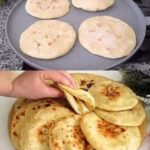
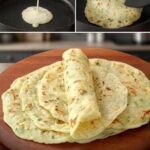
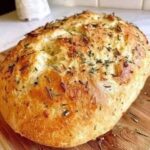
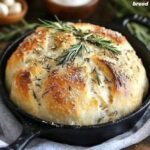
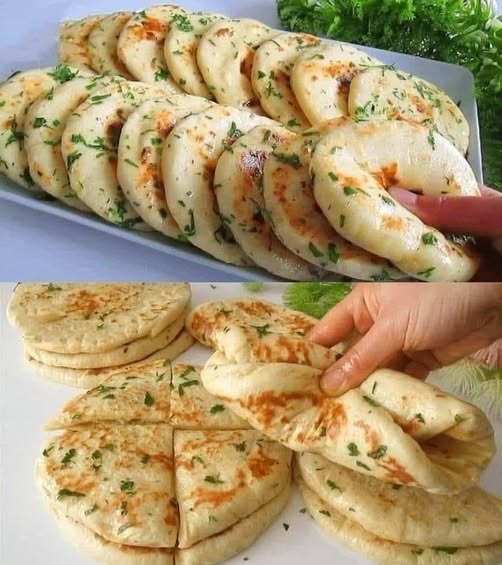
These soft, puffy flatbreads are inspired by the bread pictured, with golden skillet marks and a buttery herb coating.
IngredientsforSoft Garlic & Herb Skillet Flatbread
For the flatbread:
3 cups all-purpose flour, plus extra for dusting
2¼ teaspoons instant yeast (1 packet)
1 teaspoon sugar
1 teaspoon salt
¾ cup warm milk
½ cup warm water
2 tablespoons olive oil
2 tablespoons finely chopped fresh parsley
For the garlic herb butter:
3 tablespoons butter
2 garlic cloves, finely minced
2 tablespoons finely chopped fresh parsley
Instructions
Step 1: Mix the dry ingredients.
Combine the flour, instant yeast, sugar, and salt in a large mixing bowl. Stir until evenly distributed.
Step 2: Add the liquid ingredients.
Pour in the warm milk, warm water, and olive oil. The liquids should feel comfortably warm, not hot. Stir with a wooden spoon until a shaggy dough forms, then mix in the parsley.
Step 3: Knead the dough.
Transfer the dough to a lightly floured surface and knead for 8–10 minutes until smooth, elastic, and slightly tacky. If it sticks heavily to your hands, add flour one tablespoon at a time. Avoid adding too much, as a softer dough produces more tender flatbread.
Step 4: Let the dough rise.
Place the dough in a lightly oiled bowl, turning it once to coat. Cover with a clean towel or lid and leave in a warm place for 60–90 minutes, or until doubled in size.
Step 5: Divide and rest.
Gently press down the risen dough to release excess air. Divide into eight equal portions and shape each into a ball. Cover and let rest for 10 minutes so the dough becomes easier to roll.
Step 6: Shape the flatbreads.
Roll each dough ball into a circle approximately 6 inches wide and ¼ inch thick. Keep the remaining dough covered as you work. If a circle springs back, let it rest for a few minutes before rolling again.
Step 7: Heat the skillet.
Place a heavy skillet or griddle over medium heat. Allow it to heat thoroughly. Use a dry nonstick or well-seasoned skillet, or wipe the surface with a very thin coating of oil.
Step 8: Cook the first side.
Place one dough circle in the skillet. Cook for approximately 1½–2 minutes, until bubbles appear on the surface and the underside develops golden-brown patches.
Step 9: Flip and finish cooking.
Turn the flatbread over and cook for another 1–2 minutes. It should puff in places and feel set around the edges. Reduce the heat if the outside browns before the center cooks. Repeat with the remaining dough.
Step 10: Make the garlic herb butter.
Melt the butter in a small saucepan over low heat. Add the garlic and cook gently for 30–60 seconds, just until fragrant. Remove from the heat and stir in the parsley. Do not let the garlic brown.
Step 11: Brush and keep soft.
Brush both sides of each warm flatbread lightly with garlic herb butter. Stack the breads and cover loosely with a clean kitchen towel to help them stay soft.
Step 12: Serve.
Serve warm, either whole or cut into wedges. The bread should be tender and flexible with a lightly chewy center and golden toasted spots.
Tips
Measure flour carefully: Spoon it into the measuring cup and level it off rather than packing it down.
Keep the dough soft: A dry, stiff dough makes dense flatbread.
Use moderate heat: An overly hot skillet can burn the surface while leaving the middle undercooked.
Avoid pressing the bread: Let the bubbles form naturally for a lighter texture.
Cover cooked flatbreads: Stacking them under a towel helps prevent the edges from drying out.
Adjust the garlic: Use one clove for a milder coating or three for a stronger flavor.
Check the first bread: Tear it open after it cools slightly. The center should look cooked and fluffy, without a wet or gummy layer.
Storage
Allow the flatbreads to cool completely before storing.
Room temperature: Store plain, unbrushed flatbreads in an airtight container for up to 2 days.
Refrigerator: Refrigerate garlic-buttered flatbreads in a sealed container for up to 3–4 days.
Freezer: Separate cooled flatbreads with parchment paper and freeze in a freezer-safe bag for up to 2 months.
Reheat in a skillet over low heat for 30–60 seconds per side. Alternatively, wrap a small stack in foil and warm in a 325°F oven for approximately 10 minutes. Brush with a little fresh butter if desired.
Serving Ideas
Serve alongside chicken curry, lentils, or vegetable stew.
Tear into pieces and dip into hummus or tzatziki.
Pair with grilled chicken, beef kebabs, or roasted vegetables.
Use as a soft wrap for chicken salad.
Serve with scrambled eggs for breakfast.
Cut into wedges for a platter with dips and fresh vegetables.
Estimated Nutrition Per Flatbread
Including the garlic herb butter:
Calories: Approximately 270
Protein: Approximately 6 grams
Carbohydrates: Approximately 39 grams
Fat: Approximately 10 grams
Fiber: Approximately 1–2 grams
Nutrition varies with ingredient brands, portion sizes, and the amount of butter used.
Nutrition Benefits
These flatbreads provide carbohydrates for energy and a modest amount of protein from flour and milk. Pairing them with beans, chicken, eggs, or yogurt-based dips adds protein, while vegetables add fiber and variety.
For a version with more whole grains, replace one cup of the all-purpose flour with whole-wheat flour. Add a little extra water if needed, since whole-wheat flour absorbs more moisture.
Q&A
Can I use active dry yeast instead of instant yeast?
Yes. Use the same quantity. Stir it into the warm water with the sugar and leave for 5–10 minutes until foamy before adding it to the other ingredients.
Can I make these without milk?
Yes. Replace the milk with the same amount of water or an unsweetened, unflavored plant-based milk. The texture and browning may differ slightly.
Why did my flatbread turn out hard?
Too much flour, rolling too thinly, or cooking for too long can make it firm. Keep the dough slightly tacky and cover the breads after cooking.
Why didn’t every flatbread puff completely?
Full inflation is not necessary. Uneven thickness or variations in skillet temperature can affect puffing. Small bubbles and a soft, cooked center are good results.
Can I add cheese?
Yes. Place a small amount of shredded mozzarella inside each dough portion, pinch the dough closed, and gently roll it out. Cook slightly more slowly so the dough around the filling cooks through.
Can I prepare the dough ahead?
Yes. Cover and refrigerate the kneaded dough overnight, allowing room for expansion. The next day, divide it and let the portions warm and relax before rolling and cooking.