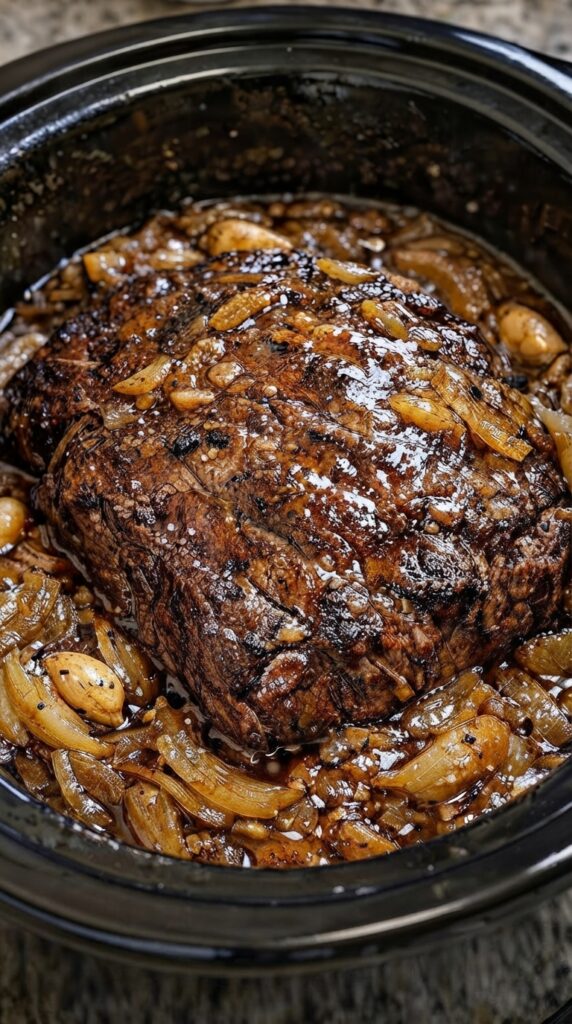

# Slow Cooker Balsamic Garlic Beef Roast
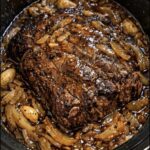
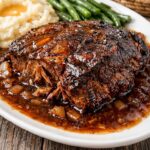
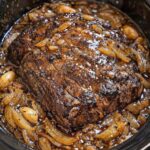
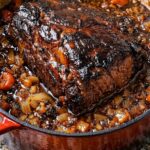
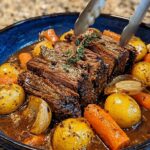
This Slow Cooker Balsamic Garlic Beef Roast is a rich, tender, comforting dinner made with a juicy beef chuck roast, plenty of garlic, sweet onions, and a deeply flavored balsamic sauce. The long, slow cooking process allows the beef to become incredibly soft while the onions melt into the savory cooking juices. Balsamic vinegar adds a slightly sweet, tangy depth that balances the richness of the beef, while garlic, Worcestershire sauce, herbs, and beef broth create a flavorful gravy.
This recipe is ideal for Sunday dinner, family gatherings, meal prep, or any day when you want a hearty meal without spending hours standing at the stove. Most of the work is done at the beginning, and then the slow cooker handles the rest. Serve the roast with mashed potatoes, roasted vegetables, rice, buttered noodles, or crusty bread to soak up the delicious balsamic garlic gravy.
Prep Time: 20 minutes
Cook Time: 8–9 hours on LOW or 5–6 hours on HIGH
Servings: 6–8
## Ingredients
For the Beef Roast
– 3½–4 lb beef chuck roast
– 1½ teaspoons salt
– 1 teaspoon freshly ground black pepper
– 1 teaspoon garlic powder
– 1 teaspoon onion powder
– 1 teaspoon smoked paprika
– 2 tablespoons olive oil
For the Balsamic Garlic Sauce
– 2 large yellow onions, thickly sliced
– 8–10 garlic cloves, peeled and lightly crushed
– 1 cup beef broth
– ½ cup balsamic vinegar
– 2 tablespoons Worcestershire sauce
– 2 tablespoons tomato paste
– 2 tablespoons brown sugar or honey
– 1 teaspoon dried thyme
– 1 teaspoon dried rosemary
– ½ teaspoon dried oregano
– 1 bay leaf
For Thickening the Gravy
– 2 tablespoons cornstarch
– 2 tablespoons cold water
Optional Garnish
– Fresh parsley
– Fresh thyme
– Cracked black pepper
## Instructions
### Step 1: Prepare the Beef
Remove the beef chuck roast from the refrigerator about 20–30 minutes before cooking. Pat it thoroughly dry with paper towels. Drying the surface helps the beef develop a better brown crust during searing.
Season all sides of the roast with salt, black pepper, garlic powder, onion powder, and smoked paprika. Gently press the seasoning into the meat so it sticks well.
### Step 2: Sear the Roast
Heat the olive oil in a large skillet over medium-high heat.
Once the oil is hot, carefully place the seasoned beef roast in the skillet. Sear it for approximately 3–4 minutes per side, or until it develops a dark golden-brown crust.
Turn the roast carefully and brown the edges as well.
Searing is optional if you are short on time, but it adds considerable flavor and gives the finished roast a deeper, richer appearance.
### Step 3: Prepare the Slow Cooker
Arrange the sliced onions over the bottom of a 6-quart or larger slow cooker.
Scatter the peeled garlic cloves among the onions.
Place the browned beef roast directly on top of the onion and garlic mixture.
The onions will slowly soften while cooking and absorb the flavorful beef juices.
### Step 4: Make the Balsamic Sauce
In a medium bowl, whisk together:
– Beef broth
– Balsamic vinegar
– Worcestershire sauce
– Tomato paste
– Brown sugar or honey
– Thyme
– Rosemary
– Oregano
Whisk until the tomato paste and sugar are well incorporated.
Pour the mixture around and over the beef roast.
Add the bay leaf to the liquid.
You do not need to completely cover the roast with liquid. The beef and onions will release additional juices as they cook.
### Step 5: Slow Cook
Cover the slow cooker with the lid.
Cook on LOW for approximately 8–9 hours.
For the most tender results, the LOW setting is recommended.
Alternatively, cook on HIGH for approximately 5–6 hours.
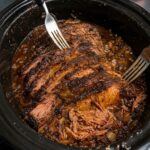
The roast is ready when it is extremely tender and can easily be pulled apart with a fork.
Avoid repeatedly opening the slow cooker lid because each time the lid is removed, heat escapes and the cooking time may increase.
### Step 6: Rest the Roast
Carefully transfer the cooked beef roast to a serving platter.
Tent it loosely with aluminum foil and allow it to rest for approximately 10 minutes.
Resting allows some of the juices to redistribute throughout the meat.
Remove and discard the bay leaf from the slow cooker.
### Step 7: Make the Gravy
If you prefer a thicker sauce, mix the cornstarch and cold water together in a small bowl until completely smooth.
Pour the slurry into the cooking liquid in the slow cooker.
Stir gently.
Turn the slow cooker to HIGH and cook uncovered or partially covered for approximately 10–15 minutes, until the sauce thickens slightly.
For an even thicker gravy, transfer some of the cooking liquid to a saucepan and simmer it for several minutes before adding the cornstarch mixture.
### Step 8: Serve
Slice the beef against the grain or gently pull it apart into large tender pieces.
Spoon the soft onions and whole roasted garlic cloves around the meat.
Pour plenty of warm balsamic garlic gravy over the top.
Garnish with fresh parsley, thyme, or freshly cracked black pepper if desired.
Serve immediately while hot.
## Recipe Notes
Chuck roast works especially well in this recipe because it contains enough connective tissue and marbling to become extremely tender during slow cooking. Leaner beef cuts can dry out when cooked for such a long period.
The balsamic vinegar may taste quite sharp before cooking, but its flavor mellows considerably during the long cooking process. It combines with the beef juices, onions, garlic, and brown sugar to create a rich sauce rather than an overly acidic one.
If your balsamic vinegar is naturally sweet and syrupy, you can reduce the brown sugar to 1 tablespoon or leave it out completely.
Whole or lightly crushed garlic cloves work particularly well because slow cooking transforms them into soft, mild, almost buttery pieces.
## Tips for the Best Beef Roast
Choose a well-marbled chuck roast. Fine streaks of fat running through the meat help keep it moist and tender.
Do not skip seasoning the meat itself. Even though the roast cooks in a flavorful sauce, seasoning its exterior produces a much more balanced final result.
Sear the beef whenever possible. Browning creates additional roasted flavors that cannot be achieved through slow cooking alone.
Cut the onions fairly thick. Very thin onions can almost completely disappear after eight hours of cooking.
Cook on LOW when you have enough time. A lower temperature generally produces a softer, more evenly tender chuck roast.
Do not add too much broth. Slow cookers retain moisture, and the beef itself releases liquid during cooking.
If the sauce seems thin when the beef is finished, use the cornstarch slurry rather than adding flour directly to the slow cooker.
Taste the sauce before serving. Depending on the saltiness of your beef broth and Worcestershire sauce, you may need a small additional pinch of salt.
## Serving Ideas
Mashed potatoes are one of the best sides because they absorb the rich balsamic gravy beautifully.
You can also serve the roast with roasted potatoes, creamy polenta, buttered egg noodles, white rice, cauliflower mash, or crusty bread.
For vegetables, try roasted carrots, green beans, Brussels sprouts, asparagus, broccoli, or a fresh garden salad.
For a complete comfort-food dinner, serve the roast with creamy mashed potatoes, roasted carrots, green beans, and warm dinner rolls.
Leftover beef is also delicious in sandwiches. Shred the meat, warm it with a little gravy, and serve it on toasted rolls with caramelized onions.
## Storage
Allow leftovers to cool before transferring them to an airtight container.
Store the beef together with some of its gravy so the meat stays moist.
Refrigerate for up to 3–4 days.
To reheat, place the beef and sauce in a covered saucepan over low heat until warmed through. You can also microwave individual portions in short intervals.
Add a splash of beef broth if the gravy becomes too thick after refrigeration.
For longer storage, freeze the cooked beef with its gravy in freezer-safe containers for up to 2–3 months.
Thaw overnight in the refrigerator before reheating.
## Approximate Nutritional Information
Per serving, based on 8 servings:
Calories: approximately 430–500
Protein: 38–43 g
Carbohydrates: 10–14 g
Fat: 24–30 g
Saturated Fat: approximately 9–11 g
Fiber: approximately 1–2 g
Sugar: approximately 6–8 g
Sodium: approximately 650–800 mg
Nutritional values can vary depending on the size and fat content of the beef roast, the brand of broth used, and the exact quantity of sauce consumed.
## Nutrition Benefits
Beef is an excellent source of high-quality protein, which helps support muscle maintenance, recovery, and normal body functions.
It also provides important nutrients such as iron, zinc, selenium, and vitamin B12.
Iron is especially important for the production of hemoglobin, which helps carry oxygen throughout the body.
Vitamin B12 supports normal red blood cell formation and nervous-system function.
Garlic and onions contribute flavor while also providing small amounts of antioxidants and beneficial plant compounds.
Using a generous amount of onion and garlic allows the recipe to develop plenty of flavor without relying entirely on additional fat.
For a lighter meal, trim excess visible fat from the roast before cooking and serve it with vegetables instead of heavier side dishes.
## Frequently Asked Questions
### Can I make this recipe without searing the beef?
Yes. You can place the seasoned roast directly into the slow cooker. The roast will still become tender, although searing adds additional flavor and gives the outside of the meat a more appealing browned appearance.
### What is the best cut of beef for this recipe?
Chuck roast is one of the best choices. It becomes tender and juicy after several hours of slow cooking. Brisket or bottom round roast can also work, although their texture may differ slightly.
### Can I use fewer garlic cloves?
Yes. Use 4–6 cloves if you prefer a milder garlic flavor. However, slow-cooked garlic becomes much softer and less sharp than raw garlic, so 8–10 cloves will not taste as intense as you might expect.
### Can I use balsamic glaze instead of balsamic vinegar?
Regular balsamic vinegar is recommended because balsamic glaze is much sweeter and more concentrated. If using glaze, reduce the quantity substantially and reduce or omit the brown sugar.
### Can I leave out the brown sugar?
Yes. The sugar mainly balances the acidity of the balsamic vinegar. You can omit it, substitute honey or maple syrup, or use a smaller amount.
### Why is my roast still tough?
If a chuck roast is tough, it often needs additional cooking rather than less. Continue cooking it until a fork slides easily into the meat and the roast begins to separate with very little pressure.
### Should the roast be covered completely with liquid?
No. The roast does not need to be submerged. The slow cooker traps moisture, and the beef and onions will release additional liquid while cooking.
### Can I add carrots or potatoes?
Absolutely. Add chunky carrots or baby potatoes around the roast before cooking. Keep the vegetables in fairly large pieces so they do not become overly soft during the long cooking time.
### Can I prepare everything the night before?
Yes. Slice the onions, peel the garlic, mix the sauce ingredients, and season the beef in advance. Refrigerate everything separately. In the morning, sear the roast if desired, assemble the slow cooker, and begin cooking.
### How do I know when the beef is ready?
The best sign is tenderness rather than cooking time alone. The beef should pull apart easily with a fork. For a fall-apart chuck roast, the internal temperature often reaches approximately 195–205°F as the connective tissue breaks down.
### What can I do with leftovers?
Shred leftover beef and use it for sandwiches, tacos, wraps, loaded baked potatoes, pasta, rice bowls, or beef-and-cheese sliders. A spoonful of leftover balsamic gravy makes the reheated beef especially flavorful.
## Final Description
Slow Cooker Balsamic Garlic Beef Roast delivers everything you want from a classic comfort-food dinner: tender beef, deeply caramelized onions, soft roasted garlic, and a savory-sweet balsamic gravy. The roast slowly cooks until it becomes fork-tender while absorbing the flavors of herbs, beef broth, Worcestershire sauce, and balsamic vinegar. With minimal hands-on preparation and plenty of rich flavor, it is an excellent family dinner for weekends, holidays, or busy days when you want the slow cooker to do most of the work.