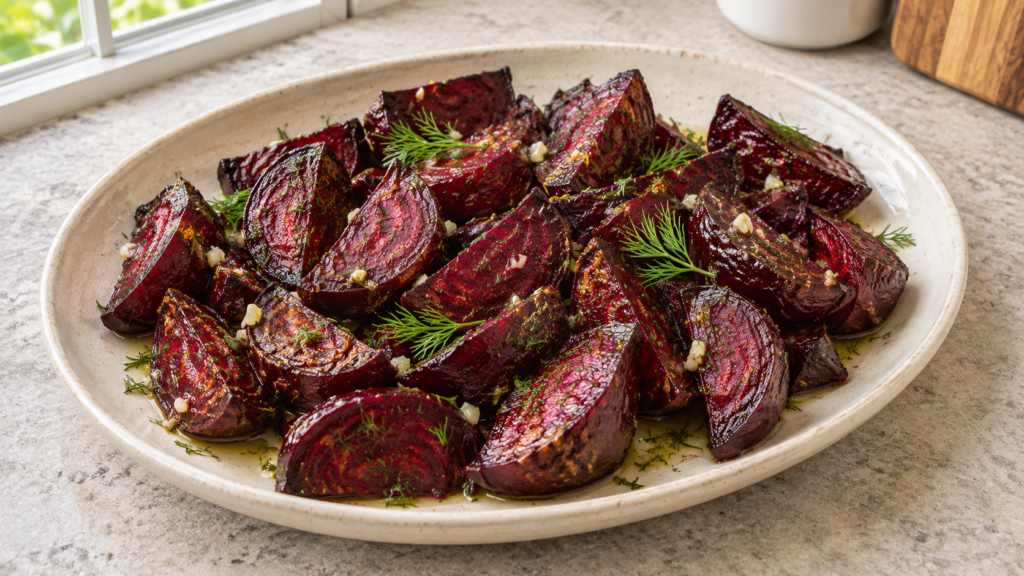

Garlic & Dill Roasted Beets
Prep Time 15 minutes
Cook Time 35–45 minutes
Total Time 50–60 minutes
Servings 4 side-dish portions
Cooking Method Oven-roasted
Oven Temperature 425°F (220°C)
Description
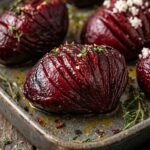
These Garlic & Dill Roasted Beets have tender centers, lightly browned edges, and a bright finish of fresh dill and lemon. The beets go into the oven with olive oil, salt, and pepper. Minced garlic goes on during the last few minutes, giving it time to soften and become fragrant. A squeeze of lemon and a handful of chopped dill finish the dish as soon as it comes out of the oven.
Cutting the beets into wedges gives them broad, flat surfaces that brown against the sheet pan. Inside, they stay juicy and develop a mellow sweetness that pairs well with the garlic. The lemon brings enough acidity to balance the beets’ earthy flavor, and the dill gives each bite a fresh, slightly grassy note.
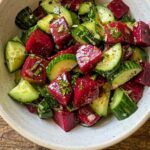
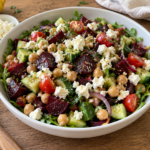
Serve the wedges warm with salmon, roasted chicken, or lentil patties. They’re also good chilled, especially with arugula, white beans, or crumbled feta. If you’re cooking for a holiday meal, you can roast them ahead and finish them with the lemon and dill just before they go on the table.
Ingredients
– 1½ pounds medium red beets, about 4–5, weighed after removing the greens
– 2 tablespoons extra-virgin olive oil, divided
– ½ teaspoon fine sea salt
– ¼ teaspoon freshly ground black pepper
– 3 medium garlic cloves, finely minced
– 2 tablespoons chopped fresh dill, plus a few fronds for serving if desired
– 1 tablespoon fresh lemon juice, plus more to taste
Instructions
1. Preheat the oven. Set a rack in the middle of the oven and preheat to 425°F (220°C). Line a large rimmed baking sheet with parchment paper rated for that temperature, or use a lightly oiled metal sheet pan.
2. Trim, peel, and cut the beets. Scrub the beets under running water, then trim the tops and root ends. Peel them with a vegetable peeler and cut each beet in half. Lay each half flat on the cutting board and slice it into wedges about 1 inch thick at the widest point. Cut any particularly thick wedges again so they cook at the same pace as the rest.
3. Season and spread out the wedges. Toss the beets with 1½ tablespoons of olive oil, the salt, and the pepper. Arrange them in a single layer with a little space between the pieces. Set a flat side against the pan wherever possible to help the edges brown.
4. Roast and turn. Roast for 20 minutes, then turn the wedges with a thin spatula. Continue roasting for 10–15 minutes, until the edges begin to brown and a knife slides most of the way into a thick wedge. If the centers are still firm, give them a few more minutes before adding the garlic.
5. Add the garlic. Mix the minced garlic with the remaining ½ tablespoon of olive oil. Drizzle it over the nearly tender beets, turn the wedges gently to coat, and roast for another 5–10 minutes. Start checking at 5 minutes. The garlic should smell fragrant, and a small knife should slide easily through the center of the thickest wedge.
6. Finish with lemon and dill. Transfer the warm beets to a serving dish. Add the lemon juice and chopped dill, then toss gently. Taste a wedge and add more lemon or a small pinch of salt if needed. Scatter a few fresh dill fronds on top if you like.
Helpful Cooking Tips
– Choose firm beets that feel heavy for their size. Medium beets are easy to peel and cut into evenly sized wedges. If your bunch includes a mix of small and large beets, cut the larger ones into more pieces so the wedges are similar in thickness.
– Give the wedges room on the pan. Space lets moisture escape and helps the cut surfaces brown. If you double the recipe, use two sheet pans. Swap their rack positions when you turn the beets so both batches roast evenly.
– Use a knife to check the center. Beet edges can darken before the inside is tender. Test one of the largest wedges. If some pieces are ready early, transfer them to a serving dish and let the thicker ones finish cooking.
– Keep the garlic on the beets. Toss the wedges well after adding the garlic oil. Small bits of garlic left on the hot pan can brown quickly. If your oven runs hot, add the mixture when the beets need only about 5 more minutes.
– Chop the dill close to serving. Pull the feathery leaves from the thick stems, pat them dry, and chop them lightly. Adding dill after roasting keeps its flavor fresh and its green color visible against the dark red beets.
– Taste again if you serve them cold. Chilling can make the lemon and salt taste milder. Toss the beets gently before serving, then add a small squeeze of lemon or a little more dill if needed.
Recipe Notes
Golden beets work well, too. They often taste a little milder and can be roasted using the same method. If you want both colors on the platter, roast and dress them separately, then arrange them together just before serving. Red beet juice can tint the golden wedges.
Dried dill is an easy substitute. Use 2 teaspoons of dried dill in place of the 2 tablespoons of fresh dill. Stir it into the lemon juice and let it sit for a few minutes before tossing it with the warm beets. This gives the dried herb time to soften.
Adjust the garlic to suit the rest of the meal. Three cloves give the dish a noticeable garlic flavor. Two work well if you’re serving it alongside a garlicky main. For a milder, sweeter flavor, mash a few cloves of already-roasted garlic into the lemon juice and toss that mixture with the cooked beets.
Serve them simply or build a meal around them. For a lunch bowl, spoon the warm wedges over farro with chickpeas and a dollop of plain Greek yogurt. For a chilled salad, toss them with arugula and add crumbled feta just before serving. Toasted walnuts also pair well with the dill and bring a little crunch.
Questions & Answers
Do I have to peel the beets before roasting?
Peeling first gives the wedges a consistent texture and lets the garlic and lemon coat every side. If you prefer to leave the skins on, choose small, thin-skinned beets and scrub them thoroughly. Older beets can have tougher skins.
Can I use precooked beets?
Yes. Pat plain precooked beets dry, cut them into wedges, and toss them with oil, salt, and pepper. Roast at 425°F (220°C) for about 15–20 minutes, adding the garlic during the last 5 minutes. Finish with lemon and dill as directed.
What can I substitute for lemon juice?
Start with 2 teaspoons of apple cider vinegar or white wine vinegar, then taste and add more as needed. Vinegar can taste sharper than fresh lemon juice, so a little is usually enough.
Why are my beets still firm after 45 minutes?
The wedges may be thicker than an inch, the pan may be crowded, or your oven may run cool. Check the largest piece. If it’s still firm, put the beets back in the oven and check them in 5-minute intervals. If you’ve already added the garlic, keep an eye on it as the beets finish.
Can I make this recipe the day before?
Yes. Roast the beets with the garlic and refrigerate them. The next day, warm them briefly or serve them chilled. Toss with the lemon and dill just before serving for the freshest flavor.
Storage & Reheating Instructions
Refrigerate leftover beets in an airtight container for up to 4 days. If you’re making them ahead, keep some of the chopped dill separate so you can add it fresh after reheating.
To serve warm, spread the beets on a sheet pan and heat at 350°F (175°C) until hot throughout. A single portion can go in the microwave in short intervals. Finish with a squeeze of lemon if the flavor needs brightening. Leftover wedges also work straight from the fridge in a grain bowl or salad.
Nutritional Information & Benefits
Estimated nutrition per serving, based on four portions and all the oil and seasonings listed.
– Calories 135
– Carbohydrates 17 g
– Protein 3 g
– Total Fat 7 g
– Saturated Fat 1 g
– Fiber 5 g
– Total Sugars 12 g
– Sodium Approximately 420 mg
Beets provide dietary fiber, folate, and potassium. Fiber supports regular digestion, and folate helps the body make new cells. Most of the fat in this dish comes from olive oil, which contributes mainly unsaturated fat. The sweet flavor comes from the beets themselves, so the recipe needs no added sugar.