
Balsamic Glazed Meatloaf with Savory Herb Sauce
Description
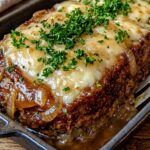
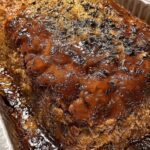
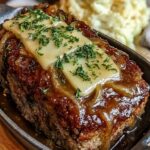
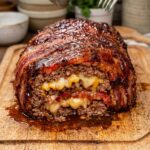
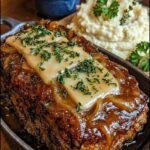
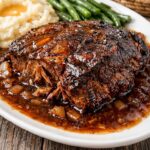
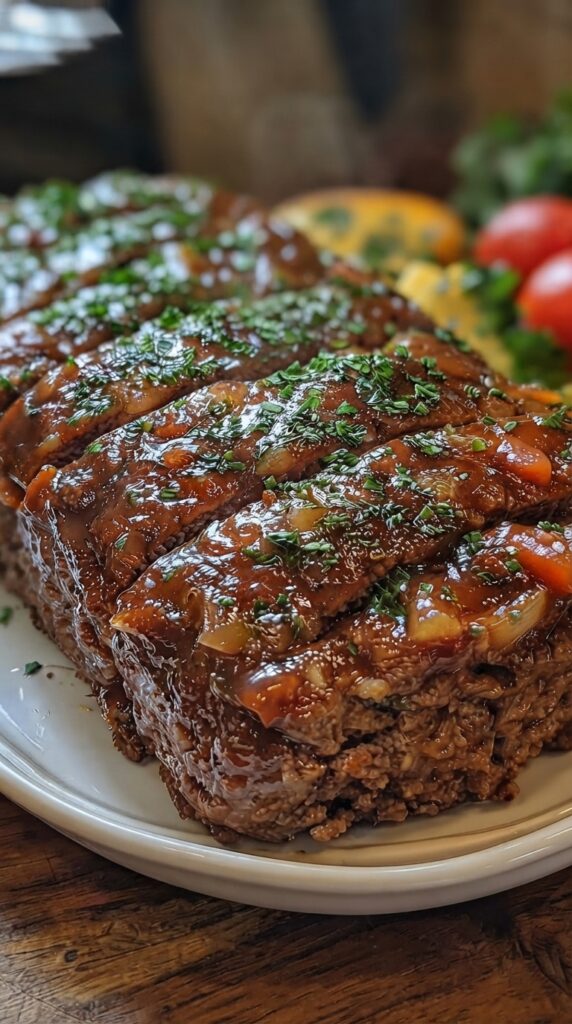
This Balsamic Glazed Meatloaf is a rich, comforting dinner made with seasoned ground beef, tender onions, garlic, breadcrumbs, eggs, and herbs, then finished with a thick, glossy balsamic glaze. The glaze gives the meatloaf the deep brown, caramelized appearance shown in the photo while adding a delicious balance of savory, slightly sweet, and gently tangy flavors.
Unlike a dry or overly firm meatloaf, this version uses milk, eggs, and finely chopped vegetables to keep the inside tender and moist. Worcestershire sauce adds extra depth, while Italian herbs, garlic, and fresh parsley give every slice plenty of flavor. The balsamic topping caramelizes during the final stage of baking, forming a sticky coating that looks beautiful when the loaf is sliced and served.
This recipe works especially well for a family dinner because it uses simple pantry ingredients and can be prepared ahead of time. Serve it with mashed potatoes, roasted vegetables, green beans, carrots, or a crisp salad for a complete comfort-food meal.
Prep Time
20 minutes
Cook Time
55–65 minutes
Resting Time
10 minutes
Servings
6–8 servings
Ingredients
For the Meatloaf
- 2 pounds ground beef, preferably 85–90% lean
- 1 medium yellow onion, finely chopped
- 3 garlic cloves, minced
- 2 large eggs
- ¾ cup breadcrumbs
- ½ cup milk
- 2 tablespoons Worcestershire sauce
- 2 tablespoons ketchup
- 1 tablespoon balsamic vinegar
- 1 teaspoon salt
- ¾ teaspoon freshly ground black pepper
- 1 teaspoon Italian seasoning
- 1 teaspoon dried parsley
- ½ teaspoon smoked paprika
- ½ teaspoon garlic powder
- ½ teaspoon onion powder
- 2 tablespoons fresh parsley, finely chopped
- 1 tablespoon olive oil
For the Balsamic Glaze
- ½ cup ketchup
- ¼ cup balsamic vinegar
- 3 tablespoons brown sugar
- 1 tablespoon Worcestershire sauce
- 1 tablespoon Dijon mustard
- 1 teaspoon garlic, finely minced
- ½ teaspoon onion powder
- ¼ teaspoon black pepper
For Garnishing
- 2 tablespoons freshly chopped parsley
- Freshly ground black pepper, optional
Instructions
Step 1: Preheat the Oven
Preheat your oven to 375°F (190°C).
Line a rimmed baking sheet with parchment paper or lightly grease a loaf pan. A baking sheet allows more of the meatloaf surface to caramelize, while a loaf pan creates a more traditional, uniform shape.
Step 2: Cook the Onion and Garlic
Heat the olive oil in a small skillet over medium heat.
Add the finely chopped onion and cook for about 4–5 minutes, stirring occasionally, until softened.
Add the minced garlic and cook for another 30–60 seconds, just until fragrant.
Remove the skillet from the heat and allow the onion mixture to cool slightly. Cooking the onion before mixing it into the meatloaf gives it a softer texture and prevents crunchy pieces in the finished loaf.
Step 3: Prepare the Breadcrumb Mixture
Place the breadcrumbs and milk in a large mixing bowl.
Stir them together and let the mixture stand for about 3–5 minutes. The breadcrumbs will absorb the milk and become soft.
This simple step helps keep the meatloaf moist during baking.
Step 4: Add the Seasonings
To the breadcrumb mixture, add the eggs, Worcestershire sauce, ketchup, balsamic vinegar, salt, black pepper, Italian seasoning, dried parsley, smoked paprika, garlic powder, onion powder, and fresh parsley.
Add the cooled onion and garlic.
Whisk or stir until everything is evenly combined.
Step 5: Add the Ground Beef
Add the ground beef to the bowl.
Using clean hands or a large fork, gently mix everything together until the seasonings are evenly distributed.
Avoid squeezing or heavily packing the meat. Overmixing can make the finished meatloaf dense and tough rather than tender.
Step 6: Shape the Meatloaf
Transfer the mixture to the prepared baking sheet.
Shape it gently into a loaf approximately 9 inches long and 4–5 inches wide.
If using a loaf pan, gently place the mixture into the pan without pressing it down too firmly.
Smooth the top and sides.
Step 7: Make the Balsamic Glaze
In a small saucepan, combine the ketchup, balsamic vinegar, brown sugar, Worcestershire sauce, Dijon mustard, minced garlic, onion powder, and black pepper.
Place over medium-low heat.
Cook for about 4–5 minutes, stirring frequently, until the sugar dissolves and the mixture becomes slightly thick and glossy.
Remove from the heat.
Step 8: Add the First Layer of Glaze
Brush approximately one-third to one-half of the balsamic glaze evenly over the top and sides of the uncooked meatloaf.
Reserve the remaining glaze for later.
Step 9: Bake the Meatloaf
Place the meatloaf in the preheated oven.
Bake for approximately 40 minutes.
Remove it briefly from the oven and carefully brush another generous layer of balsamic glaze over the top.
Return the meatloaf to the oven.
Step 10: Finish Baking
Continue baking for another 15–25 minutes, or until the center of the meatloaf reaches a safe internal temperature of 160°F (71°C) when measured with a food thermometer.
The glaze should become thick, shiny, and lightly caramelized.
If you want an even darker glazed appearance, brush on a final thin layer during the last few minutes of baking.
Step 11: Rest the Meatloaf
Remove the meatloaf from the oven and allow it to rest for approximately 10 minutes before slicing.
This step is important because the juices need time to redistribute throughout the meat.
Cutting immediately can cause the juices to run out and may make the slices fall apart.
Step 12: Garnish and Serve
Transfer the meatloaf to a serving platter.
Spoon or brush a little remaining warm balsamic sauce over the surface.
Sprinkle generously with freshly chopped parsley.
Slice into thick portions and serve warm with your favorite side dishes.
Notes
Ground beef containing a moderate amount of fat works especially well for meatloaf. Very lean ground beef can become dry, while extremely fatty beef can release too much grease. Around 85–90% lean is a good balance.
The milk-soaked breadcrumbs help create a soft interior. If you prefer, regular breadcrumbs can be replaced with panko breadcrumbs.
Do not skip the resting period after baking. The meatloaf becomes easier to slice and stays considerably juicier when it rests before serving.
The balsamic vinegar gives the sauce a mild tang, but the brown sugar and ketchup balance its acidity. The finished glaze should taste savory and slightly sweet rather than strongly vinegary.
For a stronger balsamic flavor, add another tablespoon of balsamic vinegar to the glaze.
Tips for the Best Meatloaf
Do not overmix the ground beef. Mix only until all the ingredients are evenly incorporated.
Finely chop the onion so it blends naturally into the meat mixture.
Cooking the onions before adding them to the beef improves both their flavor and texture.
Use a food thermometer rather than judging doneness only by color. The center should reach 160°F (71°C).
For an attractive glossy surface like the meatloaf in the photo, apply the glaze in several thin layers rather than adding all of it at the beginning.
Leave a little glaze for serving. Warm glaze spooned over freshly sliced meatloaf gives each portion extra flavor.
If the meatloaf starts browning too quickly, loosely cover it with aluminum foil and continue cooking until the center reaches the correct temperature.
If you prefer softer meatloaf, use slightly more milk. For a firmer loaf that slices very neatly, add an extra 2–3 tablespoons of breadcrumbs.
Fresh parsley is recommended for garnishing because it adds color and freshness against the dark balsamic glaze.
Storage
Allow leftover meatloaf to cool before storing.
Place slices in an airtight container and refrigerate for up to 3–4 days.
Keep a little extra glaze with the meatloaf so it stays moist during reheating.
To reheat individual slices, place them on a microwave-safe plate, cover loosely, and heat until thoroughly hot.
For oven reheating, place the slices in a baking dish with a spoonful of sauce, cover with foil, and warm at 325°F for approximately 15–20 minutes.
Meatloaf can also be frozen.
Wrap individual cooled slices tightly in plastic wrap or freezer-safe material and place them in a freezer-safe container. Freeze for up to 2–3 months.
Thaw overnight in the refrigerator before reheating.
Serving Ideas
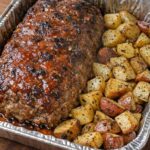
Creamy mashed potatoes are one of the most classic sides for this meatloaf. The potatoes pair particularly well with the balsamic glaze.
You can also serve it with roasted carrots, garlic green beans, steamed broccoli, roasted Brussels sprouts, buttered corn, or peas.
For a lighter meal, pair a slice with a crisp green salad dressed with a simple vinaigrette.
Warm dinner rolls, garlic bread, or crusty bread are excellent for soaking up any glaze remaining on the plate.
Leftover meatloaf also makes delicious sandwiches. Place a thick slice between toasted bread with lettuce, tomato, cheese, and a little extra glaze.
Nutritional Information
Approximate nutrition per serving when divided into 8 portions:
Calories: 390–440
Protein: 27–31 g
Carbohydrates: 20–24 g
Fat: 21–25 g
Saturated Fat: 7–9 g
Fiber: 1–2 g
Sugar: 10–13 g
Sodium: approximately 650–800 mg
Iron: approximately 3–4 mg
These values are estimates. Exact nutrition will depend on the ground beef, breadcrumbs, milk, ketchup, and other brands used.
Nutrition Benefits
One of the main nutritional advantages of meatloaf is its protein content. Ground beef provides complete protein containing all the essential amino acids needed by the body.
Protein contributes to normal muscle maintenance and tissue repair and can also help make meals more satisfying.
Beef is naturally rich in vitamin B12, an important nutrient involved in normal red blood cell production and nervous-system function.
It also provides iron. Beef contains heme iron, a form that is generally well absorbed by the body.
Zinc is another nutrient naturally found in beef. It supports normal immune function and many cellular processes.
Eggs contribute additional protein along with several vitamins and minerals.
Onions, garlic, parsley, and herbs add flavor without requiring large quantities of additional fat.
Serving this meatloaf with green beans, broccoli, carrots, or a salad can increase the vegetable, fiber, vitamin, and mineral content of the overall meal.
Frequently Asked Questions
Q: Why does my meatloaf fall apart when I slice it?
This usually happens if there are not enough binding ingredients, the loaf is sliced immediately after baking, or the meat mixture contains too much liquid. Eggs and breadcrumbs help bind everything together, while resting the meatloaf for 10 minutes makes slicing much easier.
Q: Can I prepare the meatloaf ahead of time?
Yes. Prepare and shape the meatloaf, cover it tightly, and refrigerate it for up to 24 hours before baking. Add the glaze immediately before placing it in the oven.
Q: Can I use ground turkey instead of ground beef?
Yes, although the taste and texture will be different. Ground turkey is usually leaner, so adding a little extra milk or olive oil can help keep it moist.
Q: Can I use half beef and half pork?
Yes. A combination of ground beef and ground pork produces an especially tender and flavorful meatloaf.
Q: Can I leave out the balsamic vinegar?
You can, but the balsamic vinegar is what gives this particular recipe its distinctive sweet and tangy flavor. If necessary, substitute a smaller amount of red wine vinegar mixed with a little additional brown sugar.
Q: Why should I cook the onions before adding them?
Raw onions may remain slightly crunchy after the meatloaf is cooked. Sautéing them first softens them and develops a sweeter, richer flavor.
Q: How do I know when meatloaf is completely cooked?
Insert an instant-read thermometer into the thickest center section. Ground beef meatloaf should reach 160°F (71°C).
Q: Can I make this without a loaf pan?
Absolutely. Shape the mixture directly on a parchment-lined baking sheet. This method can actually produce more caramelized edges because more of the meatloaf is exposed to the oven’s heat.
Q: What can I use instead of breadcrumbs?
Crushed crackers, quick oats, panko, or gluten-free breadcrumbs can be used. The amount may need slight adjustment depending on how much liquid the substitute absorbs.
Q: How can I keep my meatloaf from becoming dry?
Use ground beef with some fat, include milk-soaked breadcrumbs, avoid overmixing, and do not overcook it. Removing the meatloaf when its center reaches 160°F and allowing it to rest will help keep every slice tender and juicy.
This Balsamic Glazed Meatloaf is a classic comfort-food dinner with a richer, more flavorful finish. The tender seasoned beef combined with its shiny sweet-and-savory balsamic glaze makes it especially good alongside mashed potatoes and fresh vegetables, while leftovers are just as delicious the following day.