
Baked Cottage Cheese Eggs
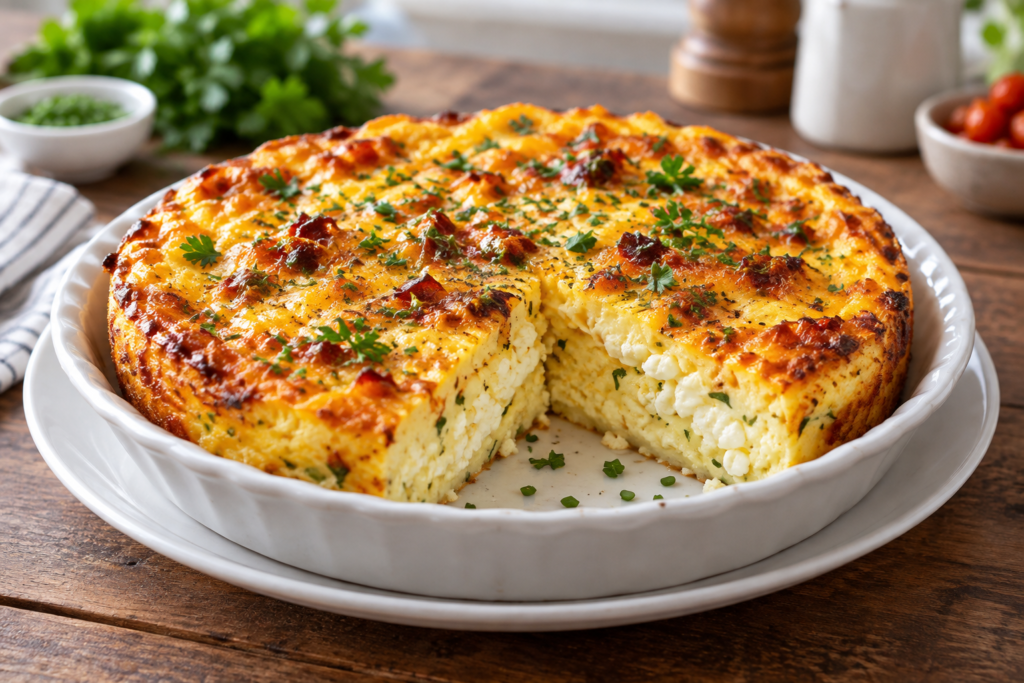
If you’re looking for a comforting breakfast that’s creamy, cheesy, and easy to prepare, these Baked Cottage Cheese Eggs are a delicious recipe to add to your morning routine. Made with fluffy eggs, creamy cottage cheese, cheddar, mozzarella, and fresh herbs, this oven-baked egg casserole has a beautifully golden top and a soft, tender center.
Every bite combines the richness of melted cheese with the light texture of baked eggs. Cottage cheese adds creaminess and protein, while garlic powder, paprika, and fresh herbs bring extra flavor without requiring complicated ingredients. The result is a satisfying breakfast that feels special enough for weekend brunch but simple enough to make on a busy weekday.
One of the best things about this cottage cheese egg bake is its versatility. You can enjoy it on its own, serve it with toasted sourdough, or pair it with fresh tomatoes, avocado, or seasonal fruit. You can also customize the recipe with cooked bacon, spinach, mushrooms, or bell peppers to suit your family’s preferences.
Whether you’re preparing a relaxed weekend breakfast, planning meals for the week, or searching for an easy high-protein breakfast, this baked egg recipe is worth trying. With a few everyday ingredients and a little oven time, you’ll have a warm, cheesy dish that’s perfect for sharing.
Recipe Information for Baked Cottage Cheese Eggs
Prep Time: 10 minutes
Cook Time: 35–40 minutes
Resting Time: 8 minutes
Total Time: 53–58 minutes
Servings: 6
Cuisine: American-Inspired
Course: Breakfast, Brunch
Cooking Method: Oven-Baked
Ingredients for Baked Cottage Cheese Eggs
- 8 large eggs: Form the base of the casserole and create its fluffy, tender texture.
- 1 cup cottage cheese: Adds creaminess, moisture, and protein to the egg mixture.
- 1 cup shredded cheddar cheese, divided: Provides a rich, cheesy flavor and a golden topping.
- ½ cup shredded mozzarella cheese: Helps create a soft, stretchy cheese texture.
- ¼ cup whole milk: Helps keep the eggs moist and tender.
- 1 tablespoon melted butter, plus extra for greasing: Adds flavor and prevents sticking.
- 2 tablespoons chopped fresh chives or green onions: Bring a mild onion flavor and fresh color.
- 1 tablespoon chopped fresh parsley: Adds freshness and a pleasant herbal aroma.
- ½ teaspoon garlic powder: Gives the casserole a savory flavor.
- ¼ teaspoon paprika: Adds warmth and a subtle color to the dish.
- ½ teaspoon salt, or to taste: Enhances the flavors of the eggs and cheese.
- ¼ teaspoon freshly ground black pepper: Adds a gentle, peppery finish.
- ⅓ cup cooked, crumbled bacon (optional): Provides a smoky, savory flavor.
Instructions for Baked Cottage Cheese Eggs
Step 1: Preheat the Oven
Preheat your oven to 375°F (190°C). Lightly grease a 9-inch round baking dish or oven-safe pie dish with butter, making sure the bottom and sides are coated.
Greasing the dish helps prevent the eggs from sticking and makes serving easier. You can also use a similarly sized casserole dish, although a different depth may affect the cooking time.
Step 2: Whisk the Eggs
Crack the eight eggs into a large mixing bowl. Add the milk, melted butter, garlic powder, paprika, salt, and black pepper.
Whisk until the egg yolks and whites are fully combined and the mixture looks evenly blended. This helps distribute the seasonings throughout the casserole.
There’s no need to whisk excessively. A smooth, well-combined mixture is all you need for a tender baked egg dish.
Step 3: Add the Cottage Cheese
Stir the cottage cheese into the egg mixture until evenly distributed.
For a smoother texture, blend the cottage cheese briefly before adding it. This is especially helpful if you prefer a creamy casserole without noticeable cottage cheese curds.
For a more rustic texture, use the cottage cheese straight from the container. The small curds create little pockets of creaminess throughout the baked eggs.
If the cottage cheese has a large amount of separated liquid, drain off the excess before measuring.
Step 4: Add the Shredded Cheese and Herbs
Add the mozzarella, approximately three-quarters of the shredded cheddar, chopped chives, and fresh parsley. If you’re using bacon, fold in the cooked, crumbled pieces at this stage.
Stir gently to distribute the ingredients evenly.
Reserve the remaining cheddar for the top. This creates a delicious cheese layer that melts during baking and develops attractive golden-brown spots.
You can also add a pinch of extra paprika or black pepper for a little more flavor.
Step 5: Transfer the Mixture to the Baking Dish
Pour the prepared egg mixture into the greased baking dish. Use a spatula to spread it evenly so the ingredients are distributed from edge to edge.
Sprinkle the remaining cheddar cheese over the surface.
Before placing the dish in the oven, check that it is sitting level. An evenly filled dish helps the eggs cook more consistently and creates a uniform finish.
Step 6: Bake Until Golden and Set
Place the dish in the preheated oven and bake for 35–40 minutes, checking near the end of the cooking time.
The edges should look lightly golden, the cheese should be melted and browned in places, and the center should be set rather than liquid.
Because ovens and baking dishes vary, the casserole may need a little more or less time. A deeper dish can take longer than a shallower one.
If the top is browning too quickly before the center is cooked, loosely cover the dish with aluminum foil for the remaining baking time.
For food safety, cook the center of the egg casserole to 160°F (71°C). Avoid overbaking, as eggs can become firm and rubbery when cooked for too long.
Step 7: Let the Casserole Rest
Remove the dish from the oven and place it on a heat-safe surface. Let the casserole rest for approximately 8 minutes before cutting.
Resting allows the eggs to settle, making the casserole easier to slice while helping the center maintain its tender texture.
Sprinkle additional chopped chives, parsley, or freshly ground black pepper over the top for a fresh, colorful finish.
Step 8: Slice and Serve
Cut the baked cottage cheese eggs into six portions and serve warm.
The golden, cheesy exterior pairs beautifully with the creamy, tender center. Serve each portion with toasted bread, sliced avocado, roasted cherry tomatoes, or fresh fruit.
For a weekend brunch, arrange the casserole on a serving plate and garnish with extra herbs just before bringing it to the table.
Enjoy this comforting homemade breakfast while the cheese is still warm and melted!
Tips for Best Cottage Cheese Egg Bake
Choose the right cottage cheese. Full-fat cottage cheese generally provides a richer flavor and creamier texture. Low-fat cottage cheese also works well if you prefer a lighter option.
Blend for a smoother consistency. If you don’t enjoy the texture of cottage cheese curds, blend the cottage cheese until smooth before combining it with the eggs.
Grate your own cheese. Freshly shredded cheddar and mozzarella melt beautifully and provide a satisfying, cheesy finish.
Cook vegetables before adding them. Spinach, mushrooms, and bell peppers can release moisture while baking. Sauté them first and drain excess liquid to help prevent a watery casserole.
Watch the baking time. Start checking the eggs near the end of the suggested cooking window. The center should be set and reach a safe internal temperature of 160°F (71°C).
Allow time to rest. Cutting the casserole immediately after baking can make it more difficult to serve neatly. An eight-minute rest helps the portions hold their shape.
Easy Recipe Variations for Baked Cottage Cheese Eggs
Spinach and Cheese Cottage Eggs
Add ½ cup of cooked, well-drained spinach to the mixture before baking. Spinach works particularly well with cottage cheese and mozzarella.
Bacon and Cheddar Egg Bake
Make Everyday Cooking Easier
Discover 60+ high-protein, low-carb recipes with simple instructions and everyday ingredients. Explore breakfasts, lunches, dinners, salads, and snacks—plus a 30-day meal plan to help you plan ahead.
Get the Elite Protein Kitchen Cookbook
Fold in ⅓ cup of cooked, crumbled bacon for a smoky flavor. Add a little extra chives to complement the cheddar.
Mushroom and Herb Version
Sauté ½ cup of sliced mushrooms until their moisture has evaporated. Let them cool slightly before adding them to the egg mixture with the parsley and chives.
Bell Pepper and Onion Egg Casserole
Add ½ cup of finely diced, sautéed bell peppers and onions for extra color and flavor. Cooking them first helps remove excess moisture.
Spicy Cottage Cheese Eggs
Add a pinch of red pepper flakes or a small amount of finely diced jalapeño for a little heat. Adjust the amount to suit your taste.
What to Serve with Baked Cottage Cheese Eggs
This cheesy egg casserole pairs well with many breakfast and brunch favorites.
For a simple breakfast, serve it with whole-grain toast, sourdough bread, or warm breakfast rolls. Avocado slices and roasted tomatoes provide fresh flavors that balance the richness of the cheese.
Fresh berries, melon, or sliced apples make a refreshing side. For a heartier brunch, add roasted breakfast potatoes or a crisp green salad.
Coffee, tea, or freshly squeezed orange juice also make lovely accompaniments.
How to Store and Reheat Leftovers
Refrigeration: Allow the leftovers to cool, then transfer them to an airtight container. Refrigerate promptly and use within 3–4 days.
Oven reheating: Place a portion in an oven-safe dish, cover loosely with foil, and warm at 325°F (165°C) until heated through.
Microwave reheating: Place an individual portion on a microwave-safe plate and heat in short intervals until hot throughout. Avoid heating for too long, as this can make the eggs rubbery.
Freezing: You can freeze individual portions in airtight, freezer-safe containers for up to 2 months for best quality. Thaw overnight in the refrigerator before reheating. The texture may be slightly different after freezing.
For the best flavor and texture, serve the casserole freshly baked whenever possible.
Frequently Asked Questions for Baked Cottage Cheese Eggs
Can I make baked cottage cheese eggs ahead of time?
Yes. Bake the casserole in advance, let it cool, and refrigerate it in an airtight container. Reheat individual portions when you’re ready to serve. This is a convenient option for weekday breakfasts.
Can I use low-fat cottage cheese?
Absolutely. Low-fat cottage cheese works well, although the finished casserole may be slightly less rich than one made with full-fat cottage cheese.
Why did my egg casserole turn watery?
Excess liquid from cottage cheese or vegetables can make the casserole watery. Drain excess liquid from the cottage cheese when necessary and cook vegetables before adding them. Also, ensure the center is fully set before removing the dish from the oven.
Can I prepare this recipe without bacon?
Yes. Bacon is completely optional. The combination of eggs, cottage cheese, cheddar, mozzarella, and herbs provides plenty of flavor without it.
How do I know when the eggs are cooked?
The edges should be lightly golden, and the center should be set rather than liquid. For food safety, check that the center reaches 160°F (71°C) with a food thermometer.
Is this recipe suitable for meal prep?
Yes. Divide the cooked casserole into individual portions and refrigerate them for convenient breakfasts throughout the next few days. Reheat each portion until hot before serving.