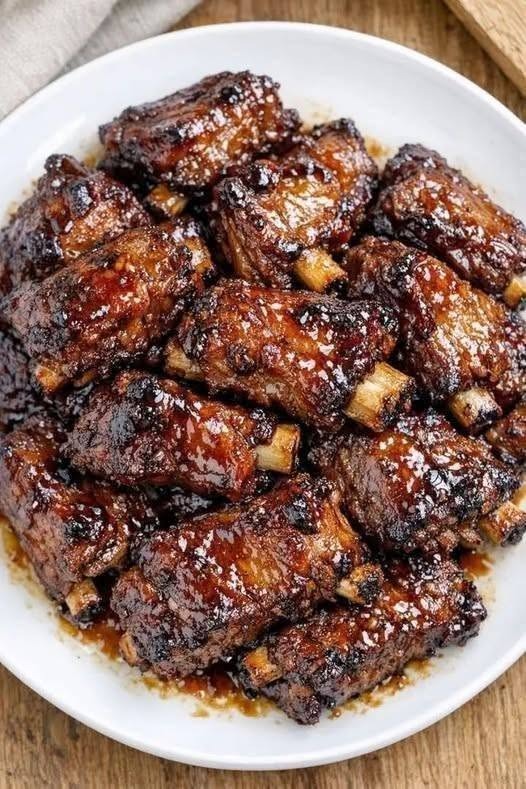

Sticky Honey Garlic Beef Short Ribs
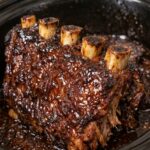
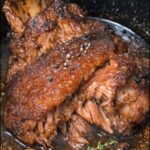
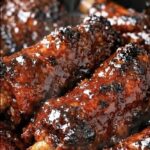
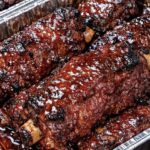
These glossy, caramelised short ribs are inspired by the dish shown in your photo: tender bone-in beef ribs coated in a dark, sticky, sweet-and-savoury glaze. The ribs are first seasoned and slowly cooked until the meat becomes tender, then finished with a flavourful honey-garlic sauce that caramelises beautifully under high heat.
The result is rich, juicy, deeply savoury, slightly sweet, garlicky, and wonderfully sticky, with browned edges and a delicious roasted finish. They are excellent for family dinners, weekend meals, gatherings, or special occasions.
Recipe Details
Recipe Name: Sticky Honey Garlic Beef Short Ribs
Cuisine: Asian-inspired / American-style
Preparation Time: 20 minutes
Marinating Time: 30 minutes to overnight
Cooking Time: 2½–3 hours
Finishing Time: 10–15 minutes
Total Time: About 3½ hours
Servings: 6
Difficulty: Moderate
Ingredients
For the Beef Ribs
3½–4 lb (1.6–1.8 kg) bone-in beef short ribs
1½ teaspoons salt
1 teaspoon black pepper
1 teaspoon smoked paprika
1 teaspoon onion powder
1 teaspoon garlic powder
1 tablespoon neutral cooking oil
For the Sticky Honey Garlic Sauce
½ cup honey
½ cup low-sodium soy sauce
¼ cup beef broth or water
¼ cup ketchup
2 tablespoons rice vinegar or apple cider vinegar
1 tablespoon Worcestershire sauce
5–6 cloves of garlic, finely minced
1 tablespoon freshly grated ginger
1 tablespoon brown sugar
1 teaspoon toasted sesame oil
½ teaspoon red pepper flakes, optional
1 tablespoon cornflour
2 tablespoons cold water
For Garnishing
1–2 tablespoons toasted sesame seeds
2 green onions, thinly sliced
A little freshly chopped cilantro or parsley, optional
Extra red pepper flakes, optional
Description
The key to this recipe is cooking the beef slowly enough to allow the connective tissue to soften. Short ribs contain plenty of collagen and fat, which give them their characteristic richness. Rather than trying to cook them quickly, they benefit from gentle, moist cooking followed by a high-heat finishing step.
The honey-garlic glaze is added toward the end rather than at the beginning. This prevents the honey and sugar from burning during the long cooking process. Once the ribs are tender, the sauce is reduced and brushed generously over the meat. A short blast of high heat creates the dark, shiny, caramelised exterior seen in the photograph.
Step-by-Step Instructions
1. Prepare the Ribs
Pat the short ribs thoroughly dry with paper towels. Removing excess moisture helps the seasoning adhere and encourages better browning.
In a small bowl, combine the salt, black pepper, smoked paprika, onion powder, and garlic powder.
Rub the seasoning mixture evenly over every piece of beef. For deeper flavour, cover the ribs and refrigerate them for at least 30 minutes. If you have time, you can season them the night before and leave them refrigerated overnight.
Take the ribs out of the refrigerator about 20–30 minutes before cooking.
2. Brown the Beef
Preheat your oven to 325°F (165°C).
Heat the oil in a large oven-safe Dutch oven or heavy roasting pan over medium-high heat.
Working in batches if necessary, place the ribs into the hot pan. Brown them on all sides for approximately 2–3 minutes per side.
Do not overcrowd the pan. Proper spacing allows the ribs to brown instead of steaming.
Once nicely browned, transfer the ribs to a plate.
3. Make the Cooking Sauce
In a bowl, whisk together the honey, soy sauce, beef broth, ketchup, vinegar, Worcestershire sauce, garlic, ginger, brown sugar, sesame oil, and red pepper flakes.
Pour about two-thirds of this mixture into the cooking pan.
Return the browned ribs to the pan, arranging them in a single layer as much as possible. The liquid should come partway up the sides of the ribs but should not completely cover them.
Cover the Dutch oven tightly with a lid or aluminium foil.
4. Slow-Cook the Ribs
Place the covered pan in the preheated oven.
Cook for approximately 2½–3 hours, turning the ribs once halfway through cooking.
The exact cooking time will depend on the size and thickness of your ribs. They are ready when the meat is very tender and a fork can be inserted easily.
If the liquid appears to be drying out during cooking, add a small amount of beef broth or water.
5. Prepare the Sticky Glaze
While the ribs are finishing, pour the remaining sauce mixture into a small saucepan.
Bring it to a gentle simmer over medium heat.
In a separate small bowl, mix the cornflour with cold water to create a smooth slurry.
Slowly whisk the slurry into the simmering sauce. Continue cooking for 1–3 minutes, stirring frequently, until the sauce becomes thick, glossy, and syrupy.
Do not boil the sauce aggressively because the honey can burn.
Taste the glaze and adjust it according to your preference. Add a little vinegar for more tang, honey for sweetness, or red pepper flakes for additional heat.
6. Glaze the Ribs
When the ribs are tender, carefully remove them from the oven.
Increase the oven temperature to 425°F (220°C), or prepare your oven’s broiler/grill function.
Transfer the ribs to a foil-lined baking sheet.
Brush each rib generously with the sticky honey-garlic glaze. Turn them over and glaze the other sides as well.
7. Caramelise
Place the ribs in the hot oven for approximately 5–8 minutes.
Remove them, brush with another layer of glaze, and return them to the oven for another 3–5 minutes.
You want the sauce to become dark, shiny, and caramelized around the edges.
If using the broiler, watch the ribs carefully because the honey and brown sugar can burn quickly. A minute or two can make a significant difference.
8. Garnish and Serve
Remove the ribs from the oven and allow them to rest for approximately 5–10 minutes.
Sprinkle with toasted sesame seeds and sliced green onions.
Add a little chopped cilantro or parsley if desired.
Serve immediately while the glaze is warm and glossy.
Serving Suggestions
These sticky beef ribs pair particularly well with:
Steamed white rice
Fried rice
Garlic butter rice
Mashed potatoes
Roasted potatoes
Stir-fried vegetables
Steamed broccoli
Green beans
Asian cucumber salad
Coleslaw
Pickled vegetables
For a meal similar to the presentation in the photograph, serve the ribs piled onto a large white platter and scatter sesame seeds and green onions over the top.
The sweet, rich glaze also pairs nicely with something fresh or acidic on the side. A cucumber salad dressed with rice vinegar, sesame oil, and a little chili provides a refreshing contrast to the richness of the beef.
Recipe Notes
Choose meaty short ribs. Look for ribs with good meat coverage and some visible marbling. Very thin pieces can become dry before developing the desired tenderness.
Bone-in ribs are ideal. The bones contribute flavor and help create the hearty presentation shown in the photograph.
Do not rush the slow-cooking stage. If the beef is still tough after the recommended cooking time, it generally needs more time rather than less.
Glaze near the end. Honey, brown sugar, and ketchup contain sugars that can burn during prolonged high-temperature cooking. Adding the concentrated glaze near the end gives you better caramelisation.
Use low-sodium soy sauce if possible. The sauce becomes more concentrated as it cooks, so regular soy sauce can sometimes make the finished dish excessively salty.
Rest the meat. A short resting period allows the juices to settle and makes the ribs easier to serve.
Helpful Tips for Perfect Ribs
Dry the meat before seasoning. Moisture on the surface can interfere with browning.
Brown in batches. Crowding the pan lowers the temperature and prevents proper caramelisation.
Don’t discard the cooking juices. They can be skimmed and reduced to make an exceptionally flavourful sauce.
Keep an eye on the final glaze. The difference between beautifully caramelised and burnt can happen quickly.
For extra-spicy ribs, add ½–1 teaspoon of chilli flakes, chilli paste, or your preferred hot sauce.
For a less-sweet version, reduce the honey to ⅓ cup and omit or reduce the brown sugar.
For extra garlic flavour, add one additional minced clove to the finishing glaze after removing it from the heat.
For meal preparation, cook the ribs until tender, refrigerate them, and apply the glaze immediately before reheating and caramelising.
For an even darker finish, apply several thin layers of glaze rather than one very thick layer.
Use a meat thermometer when in doubt. For tenderness, the ribs generally need to cook well beyond the minimum safe internal temperature because the goal is to soften connective tissue.
Estimated Nutritional Information
The following is an approximate estimate per serving, assuming 6 servings and that some rendered beef fat and sauce are left behind during cooking.
Calories: 620–700 kcal
Protein: 42–48 g
Fat: 38–45 g
Saturated Fat: 15–18 g
Carbohydrates: 25–32 g
Sugar: 20–25 g
Fibre: 0–1 g
Sodium: approximately 1,000–1,400 mg
Actual nutrition will vary considerably depending on the size and fat content of the ribs, the amount of sauce consumed, and the specific soy sauce and other ingredients used.
Potential Nutritional Benefits
Beef short ribs provide substantial protein, which is an important macronutrient for maintaining and repairing body tissues. Beef also naturally contains nutrients such as iron, zinc, vitamin B12, and selenium.
Garlic and ginger contribute flavour while also providing small amounts of various plant compounds. Sesame seeds add a little additional protein, fat, minerals, and texture.
Because short ribs are a relatively rich cut of beef and the glaze contains honey, brown sugar, and soy sauce, this recipe is best considered a hearty main course rather than a low-calorie or low-sodium dish. Serving it with vegetables and a moderate portion of rice can create a more balanced meal.
Storage and Reheating
Allow leftover ribs to cool before refrigerating them.
Store them in an airtight container in the refrigerator for up to 3–4 days.
To reheat, place the ribs in a covered baking dish with a tablespoon or two of water or beef broth. Heat at 325°F (165°C) until warmed through.
For the best texture, brush with a little additional glaze and place them under high heat for a few minutes before serving.
You can also freeze cooked ribs in an airtight freezer-safe container for approximately 2–3 months. Thaw overnight in the refrigerator before reheating.
Frequently Asked Questions
Can I make these ribs without a Dutch oven?
Yes. A deep roasting pan covered tightly with aluminum foil works well. The important thing is to keep the cooking environment covered so the ribs remain moist.
Can I use boneless short ribs?
Yes. Boneless short ribs work, although the cooking time may be somewhat different depending on their size. Start checking them earlier.
Can I cook these ribs in a slow cooker?
Yes. Cook the seasoned and browned ribs with the cooking sauce on low for approximately 6–8 hours, or until very tender. Then transfer them to a baking sheet, coat with the finishing glaze, and caramelize them in a hot oven.
Can I make the recipe less sweet?
Absolutely. Reduce the honey and brown sugar. You can also increase the vinegar slightly to give the sauce a sharper, more savory balance.
Why are my ribs still tough?
If they are tough but not dry, they usually need additional cooking time. Short ribs contain connective tissue that needs sufficient time and heat to break down and become tender.
Why did my glaze burn?
The most common reason is excessive heat or leaving the ribs under the broiler for too long. Honey and sugar caramelize quickly and can burn rapidly. Use short finishing intervals and watch the ribs closely.
Can I prepare the ribs ahead of time?
Yes. The ribs can be slow-cooked a day ahead. Refrigerate them in their cooking juices, then make the finishing glaze and caramelize the ribs shortly before serving.
What can I substitute for honey?
Maple syrup can be used, although it will give the glaze a slightly different flavor. Brown sugar dissolved with a small amount of water can also work.
Can I make this recipe gluten-free?
Use certified gluten-free soy sauce or tamari and verify that the Worcestershire sauce and other packaged ingredients are gluten-free.
What makes these ribs glossy?
The combination of honey, brown sugar, ketchup, and reduced sauce creates the shiny glaze. Applying several thin layers and briefly exposing the ribs to high heat produces the characteristic glossy, caramelized coating.
Final Recipe Summary
These Sticky Honey Garlic Beef Short Ribs are all about contrast: tender, richly flavored beef underneath a sweet, savory, garlicky, slightly tangy glaze with deeply caramelized edges. Slow cooking develops tenderness, while the final high-heat glaze creates the dark, sticky exterior that makes the dish so visually appealing.
For the closest result to the photograph, use meaty bone-in short ribs, brown them thoroughly, cook them slowly until fork-tender, and finish them with several layers of honey-garlic glaze. Serve them hot with steamed rice and crisp vegetables, then garnish with sesame seeds and green onions for a restaurant-style presentation.