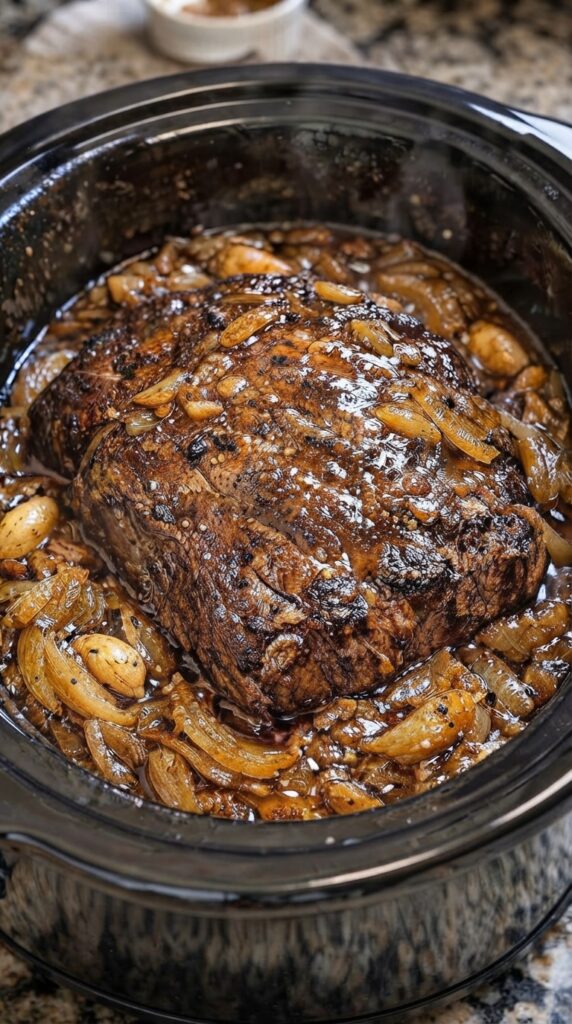
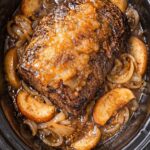
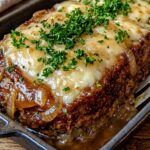
Slow Cooker Garlic Onion Pot Roast is a deeply savory, comforting beef dinner made with a well-seasoned chuck roast, plenty of onions, whole garlic cloves, beef broth, Worcestershire sauce, herbs, and a rich brown gravy. The roast cooks low and slow until it becomes extremely tender, juicy, and easy to pull apart with a fork.
What makes this recipe especially flavorful is the combination of caramelized onions and garlic. As the roast cooks, the onions soften and melt into the sauce while the garlic becomes sweet and mellow. The beef releases its juices into the cooking liquid, creating a rich gravy that coats the roast from top to bottom.
This is the kind of recipe that works beautifully for Sunday dinner, meal prep, holidays, colder evenings, or any time you want a hearty homemade meal with minimal hands-on work. The slow cooker does most of the work, and the result is a fork-tender roast with a dark glossy sauce and soft onion-garlic flavor.
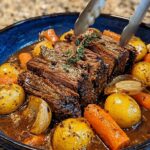
Serve it with mashed potatoes, roasted carrots, green beans, buttered noodles, rice, or crusty bread for soaking up the gravy.
Remove the chuck roast from the refrigerator about 20 minutes before cooking.
Pat the surface completely dry with paper towels. This helps the seasonings stick and allows the beef to brown properly.
Trim away only very large or hard pieces of exterior fat. Leave some fat on the roast because it helps keep the beef moist and flavorful during the long cooking time.
Season every side of the roast with salt, black pepper, garlic powder, onion powder, and smoked paprika.
Press the seasoning gently into the meat.
### 2. Sear the Beef
Heat the olive oil in a large skillet over medium-high heat.
Once the pan is hot, carefully add the chuck roast.
Sear the first side for 3–4 minutes without moving it.
Flip and brown the second side for another 3–4 minutes.
If possible, hold the roast with tongs and brown the edges for about 1 minute each.
Searing is technically optional, but it adds a lot of flavor and gives the roast a deeper, darker exterior.
Transfer the roast to a plate.
### 3. Cook Some of the Onions
Reduce the heat to medium.
Add about one-third of the sliced onions to the skillet.
Cook for 3–4 minutes until they begin to soften and pick up the browned bits from the pan.
Add the whole garlic cloves and cook for another minute.
Stir in the tomato paste and cook for about 1 minute.
### 4. Deglaze the Pan
Pour about ½ cup of the beef broth into the skillet.
Scrape the bottom with a wooden spoon to loosen the browned bits.
These browned bits contain concentrated flavor and will make the gravy richer.
Let the mixture simmer for 1–2 minutes.
Remove from the heat.
### 5. Build the Slow Cooker
Place half of the remaining sliced onions in the bottom of the slow cooker.
Set the seared roast on top.
Pour the onion, garlic, and broth mixture from the skillet around the roast.
Add the remaining onions around the sides.
### 6. Make the Cooking Liquid
In a bowl or measuring cup, combine the remaining beef broth, Worcestershire sauce, Dijon mustard, balsamic vinegar, thyme, rosemary, and brown sugar if using.
Whisk until combined.
Pour the mixture around the roast.
Add the bay leaves.
The liquid does not need to completely cover the beef. It should come only partway up the sides.
### 7. Slow Cook
Cover with the lid.
Cook on Low for 8–9 hours.
For the most tender texture, Low is usually the better setting because the connective tissue breaks down more gradually.
If you need a faster version, cook on High for 4½–5½ hours.
Avoid repeatedly lifting the lid because each time heat escapes and the cooking time increases.
### 8. Check the Roast
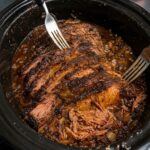
The roast is ready when it is extremely tender and easily pulls apart with a fork.
If the beef still feels firm or chewy, continue cooking.
Chuck roast often goes through a stage where it is cooked but still tough. Additional cooking time allows the collagen to break down.
### 9. Remove the Roast
Carefully transfer the beef to a serving platter or cutting board.
Because the meat may be very tender, use two wide spatulas if necessary.
Cover loosely with foil.
### 10. Make the Gravy
Remove the bay leaves from the slow cooker.
Spoon about 2–3 cups of the cooking liquid, onions, and garlic into a saucepan.
Bring to a gentle simmer over medium heat.
In a small bowl, whisk together the cornstarch and cold water until smooth.
Slowly pour the slurry into the simmering gravy while whisking.
Cook for 2–4 minutes until the gravy thickens.
For a smoother sauce, you can mash some of the garlic and onions directly into the gravy.
Taste and adjust with salt, pepper, Worcestershire sauce, or a splash of beef broth as needed.
### 11. Slice or Shred
You can serve the roast in thick slices or pull it into large chunks.
For a rustic presentation, gently separate a few sections with two forks while leaving larger pieces intact.
Spoon the onion-garlic gravy generously over the beef.
### 12. Serve
Transfer the roast to a serving platter.
Add extra gravy over the top.
Garnish with fresh parsley or thyme.
Serve hot with your favorite sides.
## Recipe Notes
Chuck roast is the best choice for this recipe because it contains enough connective tissue and fat to become tender during long cooking.
Do not use a very lean roast unless you are willing to adjust the cooking time, because lean beef can dry out more easily.
Whole garlic cloves become soft, sweet, and mild after slow cooking.
Yellow onions work especially well because they soften beautifully and add natural sweetness.
If you prefer a stronger onion flavor, add an extra onion.
If you want a slightly sweeter gravy, include the brown sugar.
If you want a more savory sauce, leave out the sugar and add another tablespoon of Worcestershire sauce.
## Tips for the Best Pot Roast
### Sear the Beef First
Browning creates deeper flavor and gives the finished roast a better appearance.
### Use Low Heat When Possible
Low and slow cooking gives chuck roast enough time to become tender.
### Do Not Add Too Much Liquid
Slow cookers trap moisture, so the beef does not need to be submerged.
### Slice the Onions Evenly
Even slices cook at the same rate and create a more consistent gravy.
### Leave the Garlic Whole
Whole cloves become buttery and mild instead of burning or becoming bitter.
### Do Not Rush Tough Beef
If the roast is tough, it almost always needs more time.
### Use a Fork Test
The meat should pull apart easily with very little resistance.
### Let the Beef Rest
Allowing the roast to sit briefly before serving helps the juices settle.