# Herb & Garlic Crusted Pork Loin Roast
## Recipe Description
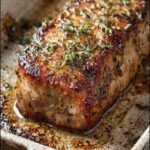
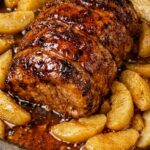
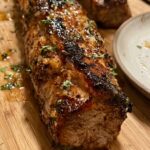
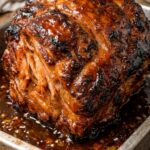
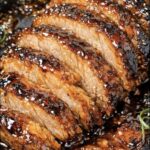
This Herb & Garlic Crusted Pork Loin Roast is a beautiful centerpiece featuring a juicy, tender interior covered with a deeply golden, flavorful crust of fresh herbs, garlic, olive oil, and aromatic seasonings. The image shows a thick roasted cut with a rustic, generously seasoned exterior and a moist, lightly pink center.
The combination of rosemary, thyme, garlic, black pepper, paprika, and olive oil creates a fragrant crust that becomes wonderfully crisp and caramelized as the pork roasts. A short high-temperature roasting period helps develop the attractive golden exterior, while finishing at a moderate temperature helps keep the center tender and juicy.
This recipe is ideal for Sunday dinner, family gatherings, holidays, or whenever you want an impressive roast without complicated preparation. Serve it sliced on a wooden board or platter with roasted vegetables, mashed potatoes, green beans, salad, or a simple pan sauce.
## Servings
Serves: 6–8 people
Prep time: 20 minutes
Marinating/resting time: 30 minutes to 2 hours, optional
Cooking time: approximately 55–75 minutes, depending on the size and thickness of the roast
Resting time: 15–20 minutes
Total time: approximately 1½–2½ hours
## Ingredients
### For the Pork
* 1 whole pork loin roast, approximately 1.5–2 kg
* 2 tablespoons olive oil
* 5–6 cloves garlic, finely minced
* 2 tablespoons fresh rosemary, finely chopped
* 2 tablespoons fresh thyme leaves
* 1 tablespoon fresh parsley, finely chopped
* 1½ teaspoons paprika
* 1½ teaspoons freshly ground black pepper
* 1½–2 teaspoons salt, adjusted to taste
* 1 teaspoon onion powder
* ½ teaspoon dried oregano
* 1 tablespoon Dijon mustard
* 1 tablespoon honey, optional
* 1 tablespoon lemon juice
* 1 teaspoon lemon zest
### Optional Pan Sauce
* 1 cup chicken or vegetable stock
* ½ cup apple juice or dry white wine
* 1 teaspoon Dijon mustard
* 1 teaspoon honey
* 1 tablespoon butter
* 1 teaspoon cornstarch mixed with 1 tablespoon cold water, optional
* Fresh thyme or rosemary for finishing
## Step-by-Step Instructions
### 1. Prepare the Pork
Remove the pork loin from the refrigerator approximately 30–45 minutes before cooking. Allowing it to lose some of its chill helps it cook more evenly.
Pat the surface thoroughly dry with paper towels. Removing excess moisture is important because a dry surface allows the herb coating to brown more effectively.
Inspect the roast and trim away any excessive pieces of surface fat or connective tissue. Leave a thin layer of fat if present because it can contribute flavor and moisture during roasting.
### 2. Make the Herb and Garlic Mixture
Place the minced garlic, rosemary, thyme, parsley, paprika, black pepper, salt, onion powder, oregano, Dijon mustard, honey, lemon juice, lemon zest, and olive oil in a small bowl.
Mix everything together until it forms a thick, fragrant herb paste.
The mixture should be thick enough to cling to the pork. If it appears too dry, add another small splash of olive oil. If it seems too loose, add a little more chopped herbs.
The fresh rosemary and thyme provide the characteristic rustic appearance seen in the image, while garlic adds a rich savory aroma.
### 3. Coat the Roast
Place the pork loin on a clean cutting board or tray.
Rub the herb and garlic mixture generously over every exposed surface of the pork. Press the mixture gently into the meat so the herbs adhere well.
Pay particular attention to the top and sides. A generous coating will create the attractive crust as the roast cooks.
For even more flavor, cover the seasoned pork and refrigerate it for 30 minutes to 2 hours. If you have limited time, you can cook it immediately.
### 4. Preheat the Oven
Preheat the oven to 220°C / 425°F.
Place a roasting rack inside a roasting pan or use a large oven-safe skillet. Lightly grease the surface if necessary.
The initial high temperature helps the outside of the pork develop a rich golden-brown crust.
### 5. Start Roasting
Place the herb-coated pork loin into the prepared roasting pan.
Roast at 220°C / 425°F for approximately 15 minutes. This initial blast of heat encourages browning and helps create the crust.
After the first 15 minutes, reduce the oven temperature to 175°C / 350°F.
Continue roasting until the center reaches the appropriate safe internal temperature according to your food thermometer and the roast is tender.
Cooking time varies considerably depending on the weight and thickness of the pork, so use temperature rather than time alone to determine when it is ready.
### 6. Check the Temperature
Insert an instant-read thermometer into the thickest portion of the roast, avoiding direct contact with the roasting pan.
For whole cuts of pork, cook according to current food-safety guidance and your preferred level of doneness. A thermometer is much more reliable than cutting into the roast repeatedly.
The image shows a juicy center, so avoiding excessive cooking is especially important. Overcooking can make pork loin dry because it is relatively lean.
### 7. Rest the Roast
When the pork reaches the desired internal temperature, remove it from the oven.
Transfer it to a cutting board and loosely cover it with foil.
Allow it to rest for approximately 15–20 minutes.
This resting period gives the juices time to redistribute throughout the roast. Cutting immediately can cause more of the flavorful juices to escape onto the cutting board.
Do not wrap the pork tightly in foil because trapped steam can soften the beautifully browned herb crust.
### 8. Prepare the Optional Pan Sauce
While the pork rests, place the roasting pan or skillet over medium heat if it is suitable for stovetop use.
Add the stock and apple juice or wine. Scrape the browned bits from the bottom of the pan with a wooden spoon.
Add Dijon mustard and honey.
Simmer for several minutes until the liquid reduces slightly and becomes more concentrated.
For a thicker sauce, stir the cornstarch and cold water together, then gradually whisk the mixture into the simmering sauce. Cook briefly until thickened.
Turn off the heat and stir in the butter.
Taste and adjust the seasoning if necessary.
### 9. Slice and Serve
After resting, use a sharp carving knife to slice the pork into even pieces.
Aim for slices approximately 1–1.5 cm thick.
Arrange the slices on a serving platter or wooden cutting board. Spoon a little pan sauce around the meat or serve it separately.
Garnish with fresh rosemary, thyme, or parsley for a beautiful finishing touch.
The contrast between the deeply browned herb crust and tender interior makes this roast especially attractive when served family-style.
## Serving Suggestions
This roast pairs beautifully with comforting side dishes.
Serve it with creamy mashed potatoes and roasted carrots for a classic dinner. Roasted potatoes seasoned with rosemary and garlic are another excellent option.
For something lighter, serve the pork with steamed green beans, asparagus, broccoli, or a crisp garden salad.
You can also serve it with:
* Honey-glazed carrots
* Garlic mashed potatoes
* Roasted sweet potatoes
* Buttered corn
* Green beans with almonds
* Creamy coleslaw
* Apple and walnut salad
* Roasted Brussels sprouts
* Crusty bread
* Apple chutney
* Homemade pan gravy
The slight sweetness of apple-based sauces works particularly well with the savory herb and garlic crust.
## Recipe Notes
The best results come from using a good-quality pork loin and keeping the seasoning generous. Pork loin has a mild flavor, so fresh herbs and garlic help provide a stronger aromatic profile.
Do not confuse pork loin roast with pork tenderloin. They are different cuts and vary considerably in size, shape, and cooking time. This recipe is designed for a larger pork loin roast similar to the one shown in the image.
Fresh herbs provide the most vibrant flavor and attractive appearance. However, dried herbs can be used when fresh herbs are unavailable. Use smaller quantities because dried herbs are more concentrated.
Dijon mustard helps the herb mixture adhere to the pork while adding a subtle tanginess. It does not make the finished roast taste strongly of mustard.
Honey is optional but helps the crust develop a beautiful golden appearance and contributes a gentle sweetness.
## Helpful Tips
### Keep the Surface Dry
Patting the pork dry before seasoning is one of the simplest ways to improve browning. Excess moisture creates steam and can prevent the crust from becoming properly golden.
### Use a Thermometer
A meat thermometer is the most dependable way to avoid overcooking. Pork loin is lean, so even a small amount of extra cooking can noticeably affect its texture.
### Do Not Skip the Resting Period
Resting is essential. It allows the juices to redistribute and makes the roast easier to slice neatly.
### Chop Herbs Finely
Finely chopped rosemary and thyme distribute more evenly across the pork and create a more cohesive crust.
### Press the Seasoning Onto the Meat
After spreading the herb mixture over the roast, gently press it onto the surface. This helps prevent loose herbs from falling away during roasting.
### Avoid Constantly Opening the Oven
Opening the oven repeatedly releases heat and can increase the cooking time. Check the roast only when necessary.
### Let the Crust Brown Naturally
If the crust is already browning beautifully, avoid unnecessarily increasing the oven temperature. If the center needs additional cooking but the exterior is becoming too dark, loosely cover the roast with foil.
## Storage
Allow leftover pork to cool appropriately, then place it in an airtight container and refrigerate.
For best quality, use refrigerated leftovers within a few days.
To reheat, use a moderate oven temperature and add a small amount of stock or sauce to prevent the slices from drying out.
Leftover pork is delicious in sandwiches, wraps, salads, rice bowls, pasta dishes, or breakfast hash.
## Nutritional Information
Approximate nutrition per serving, assuming 8 servings and excluding optional sauce:
* Calories: approximately 350–420 kcal
* Protein: approximately 45–50 g
* Fat: approximately 14–18 g
* Saturated fat: approximately 3–5 g
* Carbohydrates: approximately 4–7 g
* Fiber: approximately 1 g
* Sugars: approximately 2–4 g
* Sodium: approximately 500–700 mg
Actual nutritional values vary depending on the exact cut of pork, serving size, amount of oil, salt, and optional ingredients used.
## Nutritional Benefits
### High in Protein
Pork loin provides a substantial amount of complete protein, which is important for maintaining muscles and supporting normal body functions.
### Provides B Vitamins
Pork contains several B vitamins, including thiamine, niacin, vitamin B6, and vitamin B12. These nutrients support normal energy metabolism and other important physiological processes.
### Contains Selenium
Pork is a source of selenium, an essential mineral involved in antioxidant defense and normal thyroid function.
### Fresh Herbs Add Flavor
Rosemary, thyme, parsley, garlic, and lemon zest provide aromatic compounds and allow the dish to achieve a rich flavor without depending entirely on heavy sauces.
### Balanced Meal Potential
When paired with vegetables and a wholesome carbohydrate such as potatoes, brown rice, or whole grains, this roast can become part of a satisfying and balanced meal.
## Frequently Asked Questions
### Q: Can I prepare the pork ahead of time?
Yes. You can coat the pork with the herb mixture several hours before roasting and keep it refrigerated. Take it out shortly before cooking so it is not extremely cold when it goes into the oven.
### Q: Can I use dried herbs?
Yes. Fresh herbs are preferred for the appearance shown in the image, but dried rosemary, thyme, and oregano can work well. Use less dried herb than fresh because the flavor is more concentrated.
### Q: Why is my pork dry?
The most common reason is overcooking. Pork loin is lean and can become dry if it remains in the oven too long. Use a thermometer rather than relying solely on the estimated cooking time.
### Q: Can I use pork tenderloin instead?
Yes, but the cooking process must be adjusted because pork tenderloin is much smaller and cooks considerably faster. Do not use the cooking time given for the larger pork loin.
### Q: Can I make this without Dijon mustard?
Absolutely. The mustard helps with flavor and adhesion but is not essential. You can replace it with a small amount of mayonnaise, olive oil, or simply increase the olive oil slightly.
### Q: What makes the crust so golden?
The combination of olive oil, paprika, garlic, herbs, mustard, and the initial high oven temperature helps create the deeply browned exterior.
### Q: How long should the roast rest?
A large pork loin should generally rest for around 15–20 minutes before slicing. This helps retain more of its natural juices.
### Q: What sauce goes best with this roast?
A simple herb pan sauce, apple-Dijon sauce, honey-mustard sauce, or light garlic gravy pairs wonderfully with the roast.
### Q: Can I make this recipe for a dinner party?
Yes. It is an excellent dinner-party centerpiece because the roast can be seasoned in advance and carved just before serving. Prepare your side dishes while the pork is roasting and resting.
### Q: How should I slice the pork?
Use a sharp carving knife and cut across the roast into even slices. Medium-thick slices are ideal because they retain moisture while showing off the herb crust and tender center.
## Final Recipe Summary
This Herb & Garlic Crusted Pork Loin Roast delivers a flavorful combination of crispy, aromatic herbs and garlic on the outside with a tender, juicy center. The key to success is simple: dry the pork well, apply a generous herb coating, begin roasting at high heat for browning, finish at a moderate temperature, monitor the internal temperature, and allow the roast to rest before slicing.
Serve it with mashed potatoes and roasted vegetables for a comforting family meal, or pair it with fresh greens and an apple-based sauce for a lighter presentation. The rustic herb crust makes it both delicious and visually impressive, closely matching the beautifully browned roast shown in the image.