
3-Ingredient Pan-Fried Halloumi
Prep Time: 5 minutes
Cook Time: 4–6 minutes per batch
Total Time: 10–15 minutes
Servings: 4 appetizer portions or 2 larger portions
Description
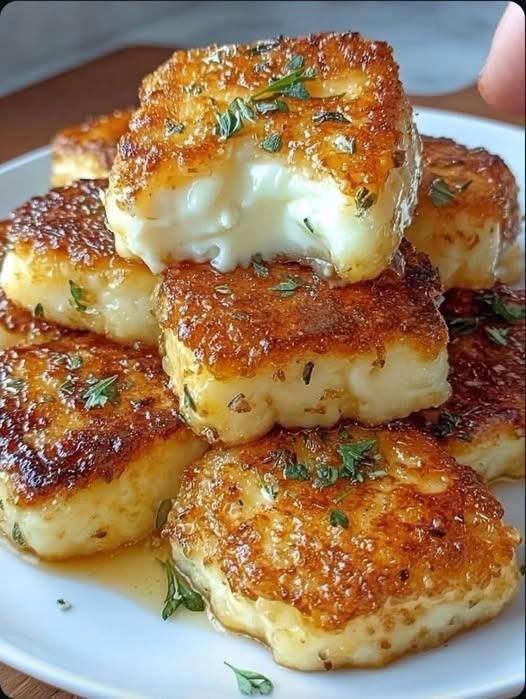
This 3-Ingredient Pan-Fried Halloumi turns a simple block of cheese into a warm, satisfying appetizer with golden surfaces, lightly crisp edges, and a tender, pleasantly chewy center. All you need is halloumi, olive oil, and a sprinkle of herbs to make something delicious in just a few minutes.
Halloumi is a brined cheese traditionally associated with Cyprus. Unlike many familiar cheeses, it holds its shape when heated, making it ideal for frying and grilling. Instead of melting into the pan, the slices develop a beautiful crust while warming through inside.
Its savory, salty flavor pairs especially well with fresh vegetables, bright citrus, and soft bread. Enjoy it straight from the skillet, tuck it into wraps, or arrange it over a colorful salad. This recipe is simple enough for a quick snack but attractive enough to serve when friends visit.
The key is to dry the cheese thoroughly, use moderate heat, and serve it immediately for the best texture.
Ingredients
- 8 oz (225 g) halloumi cheese
- 1 tablespoon olive oil
- ½ teaspoon dried oregano
Ingredient Alternatives
You can replace the olive oil with 1 tablespoon of butter for a richer flavor. Butter browns more quickly, so watch the skillet carefully and lower the heat if necessary.
For a fresher herbal finish, replace the dried oregano with 1 teaspoon of fresh thyme leaves.
Optional serving additions include lemon wedges, cucumber slices, cherry tomatoes, or warm pita bread. These are extras and are not included in the three main ingredients or the nutrition estimate.
Equipment Needed
- A nonstick skillet
- A sharp knife
- A cutting board
- Paper towels or a clean kitchen towel
- A thin spatula or serving tongs
- A serving plate
A skillet large enough to hold the cheese without crowding makes cooking easier. If your pan is small, work in two batches.
Detailed Instructions
1. Drain and slice the cheese
Remove the halloumi from its packaging and drain away the brine. Place it on a cutting board and cut it into slices approximately ½ inch thick.
Keep the thickness as even as possible so the slices cook at a similar rate. Very thin pieces can become tough quickly, while much thicker pieces need more time to warm through.
Depending on the shape of the block, you should get around eight slices.
2. Pat the slices dry
Place the halloumi on paper towels and gently blot both sides. Pay attention to any moisture sitting in small cracks or folds.
A dry surface makes better contact with the hot skillet and browns more readily. Excess moisture can cause splattering and delay the formation of a golden crust.
There is no need to season the cheese with salt. Halloumi is already salty from its brine.
3. Warm the skillet
Set a nonstick skillet over medium heat. Add the olive oil and tilt the pan gently to spread it over the cooking surface.
Let the oil warm until it looks fluid and lightly shimmering. It should not smoke. If the skillet becomes too hot, reduce the heat before adding the cheese.
Moderate heat allows the outside to brown while the center warms without becoming overly firm.
4. Cook the first side
Carefully arrange the slices in a single layer, leaving a little space between them. You should hear a gentle sizzle as they touch the pan.
Cook for 2–3 minutes without repeatedly moving them. Check the underside of one slice with a spatula. When it is golden brown, it is ready to turn.
If the cheese darkens too quickly, lower the heat. If it remains pale, give it a little more time before adjusting the temperature.
5. Flip and add the herbs
Turn each slice carefully using a thin spatula or tongs. Sprinkle the oregano over the cheese rather than directly into the oil, where it may burn.
Cook the second side for another 2–3 minutes, until golden. The slices should remain intact, with browned surfaces and a warmed, slightly yielding center.
Avoid cooking longer than necessary, because excessive heat and time can make halloumi increasingly chewy.
6. Serve immediately
Transfer the cheese to a serving plate and serve promptly.
For a simple appetizer, arrange the slices slightly overlapping. If desired, offer lemon wedges alongside so everyone can add a little brightness.
Halloumi firms up as it cools, so have any salad, bread, or other accompaniments ready before frying.
Serving Suggestions
With a fresh salad: Serve over cucumber, tomatoes, lettuce, and red onion. A light lemon dressing balances the richness of the cheese.
Inside a wrap: Add warm halloumi to flatbread with shredded lettuce, cucumber, and a spoonful of plain yogurt.
Alongside roasted vegetables: Pair it with zucchini, bell peppers, eggplant, or cauliflower for a colorful plate.
As part of breakfast: Serve with whole-grain toast and sliced tomatoes. Add eggs if you want a more substantial meal.
On an appetizer platter: Arrange the cheese with fresh vegetables and pita wedges. Keep other salty foods modest so the overall plate stays balanced.
For four appetizer servings, divide the cooked cheese equally. If you cut eight slices, that is approximately two slices per person.
Recipe Notes
Saltiness varies: Different brands of halloumi have different salt levels. Taste a small piece before cooking if you are unfamiliar with the brand.
Soaking is optional: If the cheese tastes excessively salty, soak the slices in cool water for 15–30 minutes in the refrigerator. Drain and dry thoroughly before frying. This adds to the preparation time, and the amount of salt removed will vary.
Herbs can be adjusted: Oregano provides a warm, earthy flavor, while fresh thyme offers a gentler herbal note.
Check vegetarian labeling: Halloumi can contain animal-derived rennet. Choose a product labeled suitable for vegetarians when preparing it for a vegetarian meal.
Tips for the Best Results
- Dry thoroughly: This is one of the most useful steps for achieving an evenly browned surface.
- Use even slices: Similar thickness helps prevent some pieces from overcooking while others remain cool inside.
- Avoid overcrowding: Space allows moisture to escape and makes flipping easier.
- Let the crust develop: Frequent turning interrupts browning. Usually, one flip is enough.
- Watch the heat: Medium heat is a good starting point, but adjust it to suit your stove and skillet.
- Prepare everything first: Halloumi is best served immediately, so finish your accompaniments before cooking.
- Keep seasoning simple: Extra salt is usually unnecessary; herbs and optional lemon provide plenty of flavor.
Storage and Reheating
Place leftover cooked halloumi in an airtight container and refrigerate within two hours. Store for up to 3 days.
To reheat, warm a nonstick skillet over medium-low heat. Add the cheese and heat briefly on both sides until warmed through. A small amount of oil can help if the surface seems dry.
Avoid prolonged reheating, which can make the cheese tough. Microwaving is convenient but will not restore the browned crust and may make the texture rubbery.
Cold leftovers can also be diced and added to salads, although they will be firmer than freshly cooked halloumi. For the best results, fry only as much as you plan to serve.
Estimated Nutritional Information
Per serving, based on four servings and assuming all the olive oil is consumed:
- Calories: Approximately 210
- Protein: 12 g
- Total fat: 17 g
- Saturated fat: 9 g
- Carbohydrates: 1–2 g
- Fiber: 0 g
- Sodium: Approximately 650–900 mg
These figures are estimates. Values vary considerably by brand, particularly sodium and fat. Check your cheese packaging for a more accurate calculation. Optional accompaniments are not included.
Benefits of This Recipe
Provides protein: Halloumi contributes protein, which supports the maintenance and repair of body tissues and makes the dish a satisfying addition to a meal.
Contributes calcium: As a dairy food, halloumi supplies calcium, a nutrient involved in maintaining bones and teeth. The amount depends on the product.
Requires minimal preparation: Three ingredients and a short cooking time make this practical for busy days.
Works with many vegetables: Its savory flavor pairs easily with salads and cooked vegetables, helping you build a varied plate.
Offers a meat-free option: Halloumi made with vegetarian rennet can be the centerpiece of a vegetarian meal.
It is also relatively high in sodium and saturated fat, so portion size and accompaniments matter.
Questions and Answers
1. Why does halloumi stay solid when fried?
Its production process creates a cheese structure that resists melting during ordinary frying. This allows the surface to brown while the slices hold their shape.
2. Why did my halloumi become rubbery?
Overcooking and cooling both make halloumi firmer. Cook just until golden on both sides and serve immediately for a more tender texture.
3. Can I cook it without oil?
Yes, a good nonstick skillet can brown halloumi without added oil. However, a little oil encourages even contact and gives the surface a richer finish.
4. Can I prepare this ahead of time?
You can slice the cheese ahead and refrigerate it in a covered container. Pat it dry and fry just before serving for the best results.
5. Can I substitute another cheese?
Look for cheese specifically labeled for frying or grilling. Mozzarella and ordinary cheddar melt differently and will not give the same result.
6. Is this enough for a main meal?
The recipe makes two larger cheese portions. Add vegetables and bread, grains, or beans to turn those portions into a more complete meal.