
Lemon Yoghurt Cake with No White Flour
Description
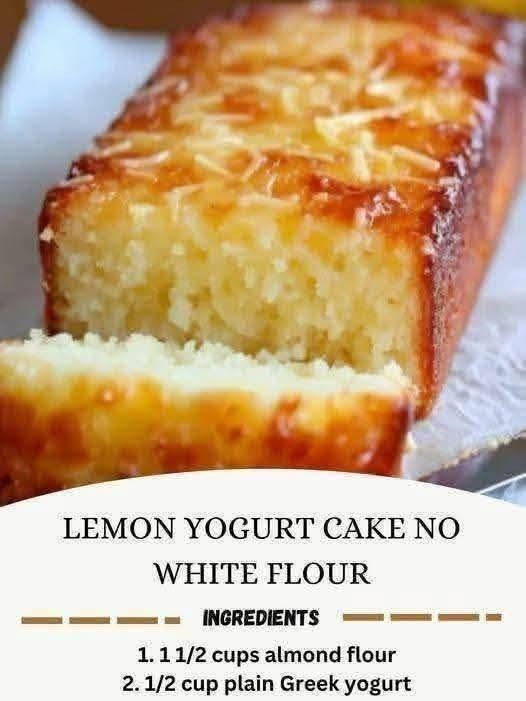
This Lemon Yoghurt Cake with No White Flour is a bright, moist, naturally sweetened cake made without traditional wheat flour. Almond flour gives the cake a tender, slightly nutty texture, while Greek yoghurt keeps every bite soft and pleasantly rich. Fresh lemon zest and juice provide plenty of citrus flavour, making this cake refreshing rather than overly sweet.
With simple ingredients such as almond flour, eggs, Greek yoghurt, honey or maple syrup, and fresh lemon, this is an easy cake to prepare for breakfast, afternoon tea, brunch, or a light dessert. It is especially delicious served slightly warm or chilled with a spoonful of Greek yoghurt and a little extra lemon zest.
Because the recipe uses almond flour instead of white flour, the finished cake will have a naturally denser and more moist texture than a traditional wheat-flour sponge cake. It is also a great option for people looking for a flour alternative.
Recipe Details
Prep Time: 10 minutes
Bake Time: 30–35 minutes
Total Time: 45 minutes
Servings: 8 slices
Course: Dessert, Breakfast, Snack
Cuisine: American-inspired
Difficulty: Easy
Ingredients
For the Cake
- 1½ cups almond flour
- ½ cup plain Greek yoghurt
- 2 large eggs
- ⅓ cup honey or pure maple syrup
- Zest of 1 lemon
- Juice of 1 lemon
- 1 teaspoon vanilla extract
- 1 teaspoon baking powder
- ¼ teaspoon salt
Optional Toppings
- 2–3 tablespoons Greek yoghurt
- Extra lemon zest
- A light drizzle of honey
- Fresh berries
- Thin lemon slices
- A small dusting of powdered sweetener, if desired
Instructions
1. Prepare the Oven and Pan
Preheat your oven to 350°F (175°C).
Grease an 8-inch round cake pan with a little oil or butter. For easier removal, line the bottom with parchment paper.
An 8-inch square baking dish can also work, although the cake may have a slightly different thickness.
2. Prepare the Lemon
Wash and dry the lemon thoroughly.
Using a fine grater or zester, zest the lemon, taking only the yellow outer skin. Avoid grating too deeply into the white part because the white pith can taste bitter.
Juice the lemon and measure the amount. You will generally get around 2–3 tablespoons from one lemon, depending on its size.
For the freshest flavour, use freshly squeezed lemon juice rather than bottled juice.
3. Mix the Wet Ingredients
In a medium mixing bowl, whisk together:
- Greek yoghurt
- Eggs
- Honey or maple syrup
- Lemon juice
- Lemon zest
- Vanilla extract
Whisk until the mixture is smooth and well combined.
The Greek yoghurt may initially look slightly thick, but it will loosen as you whisk in the eggs and lemon juice.
4. Add the Dry Ingredients
In a separate bowl, combine the almond flour, baking powder, and salt.
Stir them together to distribute the baking powder and salt evenly.
Gradually add the dry ingredients to the wet mixture.
Use a spatula or wooden spoon to gently fold everything together. Do not overmix. Stop as soon as there are no obvious dry patches of almond flour remaining.
The batter should be thick but pourable.
5. Transfer to the Pan
Pour the batter into the prepared cake pan.
Use a spatula to gently spread the batter into an even layer.
Tap the pan lightly against the countertop once or twice to remove any large air pockets.
6. Bake
Place the cake in the preheated oven and bake for approximately 30–35 minutes.
Start checking around the 30-minute mark because ovens vary.
The cake is ready when:
- The top looks lightly golden.
- The centre feels set when gently pressed.
- A toothpick inserted into the centre comes out mostly clean.
- The edges are lightly browned and beginning to pull away from the pan.
Be careful not to overbake. Almond flour cakes can become dry if left in the oven too long.
7. Cool the Cake
Remove the cake from the oven and allow it to cool in the pan for approximately 10–15 minutes.
Run a thin knife around the edges if necessary, then carefully remove the cake from the pan.
Transfer it to a cooling rack and allow it to cool further before slicing.
For an especially moist texture, let the cake cool completely before serving.
How to Serve
This lemon cake is delicious on its own, but you can easily dress it up.
For a simple topping, spread a thin layer of Greek yoghurt over each slice and finish with fresh lemon zest.
Fresh strawberries, blueberries, raspberries, or blackberries also pair beautifully with the lemon flavour.
For a slightly sweeter dessert, drizzle a small amount of honey over the cake just before serving.
You can also serve it with tea or coffee for an easy afternoon treat.
Notes
Almond Flour Texture
Almond flour behaves differently from traditional wheat flour. It produces a moist, tender, slightly dense cake rather than a very fluffy sponge cake.
For the best texture, use fine blanched almond flour rather than coarse almond meal.
Greek Yoghurt
Full-fat Greek yoghurt produces a particularly rich and moist cake, but low-fat Greek yoghurt can also be used.
If your yoghurt is extremely thick, you can whisk it thoroughly with the wet ingredients before adding the dry ingredients.
Honey vs. Maple Syrup
Both work well.
Honey provides a floral, rich sweetness and pairs beautifully with lemon.
Maple syrup gives the cake a slightly deeper, caramel-like flavour.
Use whichever you prefer.
Lemon Flavour
For a stronger lemon flavour, add additional lemon zest rather than significantly increasing the lemon juice. Extra juice can make the batter too wet.
If you love intense citrus flavour, you can use the zest of 1½ lemons.
Helpful Tips for the Perfect Cake
1. Don’t skip the lemon zest.
The zest contains concentrated citrus oils and gives the cake much of its fresh lemon aroma.
2. Measure almond flour accurately.
Spoon the almond flour into your measuring cup and level it rather than packing it down tightly.
3. Don’t overmix.
Once the almond flour is incorporated, stop mixing. Overmixing isn’t usually a major problem with almond flour, but gentle mixing helps preserve the cake’s tender texture.
4. Watch the baking time.
The cake should be golden and set but still moist. Start checking early because smaller ovens can bake the cake faster.
5. Allow it to cool.
The cake becomes easier to slice and develops a better texture as it cools.
6. Use room-temperature eggs.
Room-temperature eggs generally blend more easily with the yoghurt and syrup, helping create a smoother batter.
7. Don’t substitute almond flour cup-for-cup with regular flour.
The ingredients behave differently, so this recipe is specifically formulated around almond flour.
Storage
Store leftover cake in an airtight container in the refrigerator for up to 4–5 days.
Because this cake contains Greek yoghurt, refrigeration is recommended.
Allow a refrigerated slice to sit at room temperature for approximately 10–15 minutes before eating, or enjoy it chilled.
The cake can also be frozen. Wrap individual slices tightly and place them in a freezer-safe container. Freeze for up to approximately 2 months for the best quality.
Thaw in the refrigerator overnight or at room temperature for a shorter period.
Nutritional Information
Approximate nutrition per serving, based on 8 servings and using honey:
- Calories: 220–230 kcal
- Protein: 7–8 g
- Carbohydrates: 17–19 g
- Fat: 14–15 g
- Fibre: 2–3 g
- Sugar: 13–15 g
- Sodium: approximately 130–160 mg
Nutrition is an estimate and can vary depending on the specific brands and ingredients used, especially the Greek yoghurt, almond flour, and sweetener.
Potential Benefits
Almond Flour
Almond flour provides protein, fibre, and unsaturated fats. It also gives the cake its naturally nutty flavor and tender texture.
Greek Yoghurt
Greek yoghurt contributes protein and calcium while helping keep the cake moist. Choosing plain yoghurt also allows you to control the sweetness yourself.
Lemon
Fresh lemon provides vitamin C and adds a bright citrus flavour without needing a large amount of additional sweetener.
Eggs
Eggs contribute protein and help bind the ingredients together. They also provide structure so the cake can rise and hold its shape.
No White Flour
This recipe doesn’t use conventional white wheat flour. Instead, almond flour provides the main flour component, making this cake suitable for people specifically looking to avoid white flour.
Important: “No white flour” does not automatically mean low-calorie or low-carbohydrate. Almond flour and natural sweeteners still contribute calories and carbohydrates.
Frequently Asked Questions
1. Can I make this cake without honey?
Yes. You can use pure maple syrup instead. The flavour will be slightly different but still delicious.
If you want to experiment with other sweeteners, keep in mind that changing a liquid sweetener can alter the moisture and texture of the cake.
2. Can I use regular yoghurt?
Yes. Plain yoghurt can work, although Greek yoghurt is thicker and generally gives the cake a richer texture.
If using regular yoghurt, the batter may be slightly thinner.
3. Can I make this cake dairy-free?
Yes, with some adjustments. Use a suitable thick, unsweetened, dairy-free yoghurt and check that all other ingredients meet your dietary requirements.
4. Can I use almond meal?
You can, but the texture will likely be more rustic. Fine almond flour is preferable when you want a smoother, more cake-like crumb.
5. Why did my cake sink?
A slight amount of settling can happen with moist almond-flour cakes and isn’t necessarily a problem.
However, significant sinking may happen if the cake is underbaked, the oven temperature is inaccurate, or the oven door is opened too early.
Make sure the centre is properly set before removing the cake.
6. Can I add blueberries?
Absolutely. Fresh blueberries are an excellent match for lemon. Gently fold approximately ½ cup of blueberries into the batter before transferring it to the pan.
7. Can I add poppy seeds?
Yes. Add about 1–2 tablespoons of poppy seeds to the batter for a classic lemon-poppy-seed variation.
8. Can I make muffins with this recipe?
Yes. Divide the batter between approximately 8–10 lined muffin cups and begin checking them around 18–22 minutes. Baking time will vary depending on the size of your muffins.
9. How can I make the lemon flavour stronger?
Add more lemon zest rather than a lot of additional lemon juice. You can also make a simple lemon topping using Greek yoghurt and fresh lemon zest.
10. Is this cake gluten-free?
The listed ingredients do not contain wheat or gluten-containing flour. However, if you need the cake to be strictly gluten-free for medical reasons, verify that packaged ingredients such as almond flour, baking powder, and yoghurt are certified gluten-free and free from cross-contamination.
Final Thoughts
This Lemon Yoghurt Cake with No White Flour is proof that a simple ingredient list can create a delicious homemade dessert. The combination of almond flour, creamy Greek yoghurt, fresh lemon, vanilla, and honey creates a cake that is moist, tender, lightly sweet, and packed with bright citrus flavour.