
Cinnamon Sugar Cream Cheese Muffins
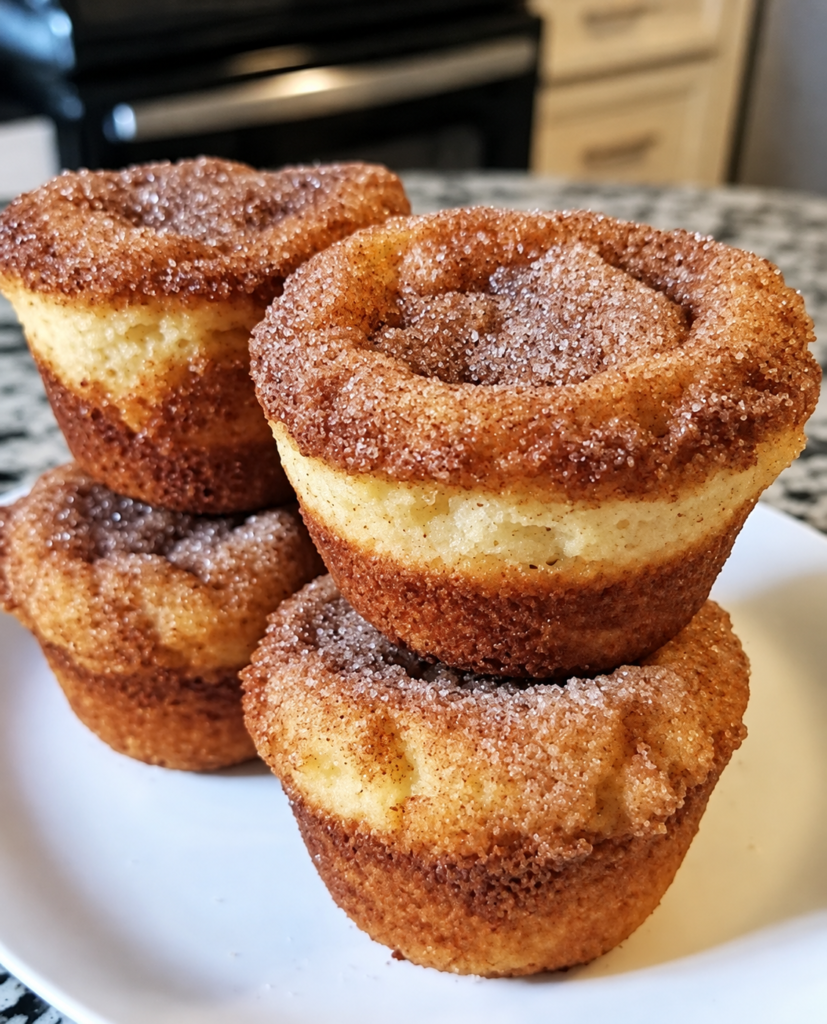
Cinnamon Sugar Cream Cheese Muffins combine tender vanilla cake, a creamy cheesecake-style center, and a buttery cinnamon-sugar coating. They have the comforting flavor of a cinnamon doughnut with the richness of a filled muffin, making them a delicious choice for weekend brunch, afternoon coffee, or a homemade dessert.
This recipe is inspired by the pastries in your photograph; the exact ingredients and filling cannot be confirmed from an image alone. This homemade version creates golden muffins with a pale cream cheese center and a cinnamon-speckled top, although the finished shape and visible layers will vary.
The recipe uses familiar baking ingredients and a straightforward mixing method. There is no yeast, kneading, or rising time. Prepare the filling first, fold together the muffin batter, and layer everything into a standard muffin pan.
Prep time: 25 minutes
Cook time: 22–26 minutes
Cooling time: 20 minutes
Total time: Approximately 1 hour 10 minutes
Servings: 12 standard muffins
Ingredients for Cinnamon Sugar Cream Cheese Muffins Recipe
For the Muffin Batter
2 cups all-purpose flour, spooned and leveled, approximately 250 g
¾ cup granulated sugar, 150 g
2 teaspoons baking powder
½ teaspoon salt
1 teaspoon ground cinnamon
2 large eggs, at room temperature
¾ cup whole milk, 180 ml
½ cup unsalted butter, melted and slightly cooled, 113 g
2 teaspoons vanilla extract
For the Cream Cheese Filling
8 ounces full-fat block cream cheese, softened, 226 g
¼ cup granulated sugar, 50 g
1 teaspoon vanilla extract
For the Cinnamon-Sugar Coating
3 tablespoons unsalted butter, melted, 42 g
⅓ cup granulated sugar, approximately 67 g1½ teaspoons ground cinnamon
Instructions for Cinnamon Sugar Cream Cheese Muffins Recipe
1. Prepare the oven and muffin pan
Preheat your oven to 375°F / 190°C, or approximately 170°C fan. Position a rack in the center of the oven.
Grease a standard 12-cup muffin pan thoroughly, including the upper edges around each opening. This helps release any muffin tops that spread slightly during baking. Paper liners are also suitable, although they prevent the sides from developing the same exposed golden finish.
2. Make the cream cheese filling
Place the softened cream cheese, sugar, and vanilla in a medium bowl. Beat with a hand mixer or stir firmly with a sturdy spoon until smooth and evenly combined.
Scrape the bowl to incorporate any cream cheese clinging to the sides. The filling should be thick enough to hold a small mound. Refrigerate it while you prepare the batter if your kitchen is warm.
3. Combine the dry ingredients
In a large bowl, whisk together the flour, sugar, baking powder, salt, and cinnamon.
Mix thoroughly so the baking powder is distributed throughout the flour. Break apart any visible lumps. Even distribution helps the muffins rise consistently and prevents pockets of concentrated seasoning.
Measure the flour carefully: packing it into the measuring cup can produce a dry, heavy batter.
4. Mix the wet ingredients
In a separate bowl, whisk the eggs, milk, melted butter, and vanilla until combined.
The butter should feel warm rather than hot before it touches the eggs. Room-temperature milk and eggs also help prevent the melted butter from solidifying into small pieces. A few tiny butter flecks are harmless, but a reasonably smooth mixture is easier to incorporate.
5. Fold the batter together
Pour the wet mixture into the dry ingredients. Fold gently with a spatula, scraping along the bottom and sides of the bowl.
Stop once the flour is incorporated. The batter should be thick, scoopable, and slightly lumpy. Do not beat it until perfectly smooth; excessive mixing can make the muffins chewy and create long tunnels through the crumb.
6. Fill the muffin cups
Divide approximately half the batter among the 12 prepared cups, adding about 1½ tablespoons to each.
Place a rounded tablespoon of cream cheese filling in the center of every cup. Divide all the filling evenly, keeping it away from the metal sides where possible.
Spoon the remaining batter over the filling. Spread gently to cover it without pressing the layers together. The cups should be approximately three-quarters full.
7. Bake until golden
Bake for 22–26 minutes, checking toward the end of the suggested time.
The tops should look set and lightly golden, and the cake should spring back gently when touched. Insert a toothpick into a cake section beside the filling. It should emerge without wet batter; a little cream cheese on the toothpick is expected if you touch the center.
8. Cool before removing
Leave the muffins in the pan for 10 minutes. Carefully loosen their edges with a thin, blunt knife if necessary, then transfer them to a wire rack.
Handle them gently while warm because the cream cheese center remains soft. Allow another 10 minutes of cooling before applying the coating.
9. Add the cinnamon-sugar finish
Mix the coating sugar and cinnamon in a shallow bowl. Brush each muffin top lightly with melted butter, then dip it into the cinnamon sugar.
For additional coverage, brush a little butter onto the exposed sides and sprinkle with the mixture. You may have some coating left over. Let the muffins rest briefly before serving so the buttery topping settles.
Notes Cinnamon Sugar Cream Cheese Muffins Recipe
Choose block cream cheese: Full-fat block cream cheese produces a thicker filling than spreadable cream cheese sold in tubs. Whipped varieties may become too loose and can change the final texture.
Expect a filled center: The cream cheese forms a pocket inside the muffin. It will not necessarily create a perfectly even pale stripe around the outside, as seen in the reference photograph.
Use a standard pan: This recipe is designed for 12 standard muffins. Jumbo or miniature pans require different baking times. Avoid transferring the stated time directly to another size.
Check your baking powder: Old baking powder can produce dense muffins. Use baking powder rather than baking soda; they are not interchangeable in equal amounts.
Serve warm or chilled: Slightly warm muffins have a softer filling. Refrigerated muffins have a firmer, more cheesecake-like center.
Tips for Cinnamon Sugar Cream Cheese Muffins Recipe
Soften the cream cheese properly. Cold cream cheese is harder to mix and can leave lumps in the filling.
Prepare everything before mixing. Once the batter comes together, fill the pan and bake promptly.
Keep the filling centered. Leaving a border of batter around it reduces leakage and sticking.
Divide portions evenly. Similar amounts of batter and filling help the entire batch finish baking together.
Avoid overbaking. Start checking at 22 minutes, particularly if your oven runs hot or your pan is dark.
Coat gently. A thin butter layer is enough to hold the cinnamon sugar without making the tops greasy.Cool before stacking. Freshly baked muffins are delicate and can flatten or slide when piled together.
Serving Suggestions for Cinnamon Sugar Cream Cheese Muffins Recipe
Serve these muffins with coffee, tea, or a glass of milk. Their cinnamon coating pairs especially well with fresh berries, sliced apples, or orange segments.
For a brunch table, arrange them beside scrambled eggs and fresh fruit. The savory dishes help balance the sweetness, while the muffins provide a bakery-style treat.
For dessert, serve one slightly warmed muffin on a small plate. Additional frosting is unnecessary because the filling and coating already provide plenty of sweetness and richness.
Storage and Make-Ahead
Because these muffins contain cream cheese filling, refrigerate them in an airtight container once cooled. Enjoy within 3–4 days for the best quality.
Let a refrigerated muffin stand briefly before eating, or warm it gently in the microwave in short intervals. Excessive reheating can make the filling very hot and soften the sugar coating.
To freeze, wrap cooled muffins individually and place them in a freezer-safe container for up to two months. Thaw overnight in the refrigerator. For the freshest finish, freeze them without the coating and add the butter and cinnamon sugar after thawing and gently warming.
Make Everyday Cooking Easier
Discover 60+ high-protein, low-carb recipes with simple instructions and everyday ingredients. Explore breakfasts, lunches, dinners, salads, and snacks—plus a 30-day meal plan to help you plan ahead.
Get the Elite Protein Kitchen Cookbook
Nutritional Information for Cinnamon Sugar Cream Cheese Muffins Recipe
Approximate nutrition per muffin, based on 12 muffins and using all the coating ingredients:
Nutrient Estimated amount
Calories 340 kcal
Carbohydrates 42 g
Protein 5 g
Total fat 17 g
Saturated fat 10 g
Fiber 1 g
Total sugars 24 g
Sodium 240 mg
Values vary with ingredient brands, portion sizes, and the amount of coating used. These are recipe estimates rather than laboratory measurements.
Nutritional Benefits
Eggs, milk, and cream cheese contribute some protein, while the dairy ingredients provide a modest amount of calcium. The muffins also supply energy from carbohydrates and fats.
Their individual portions make them convenient to serve and freeze. Preparing them at home allows you to control the amount of cinnamon-sugar coating and choose ingredients that suit your preferences.
These are sweet baked treats containing added sugar and saturated fat. Enjoy them as part of a varied eating pattern, with fruit or a protein-rich accompaniment if you want a more substantial breakfast. Cinnamon adds flavor, but the quantity in one muffin should not be treated as a medicinal dose.
Questions and Answers for Cinnamon Sugar Cream Cheese Muffins Recipe
Can I make these without cream cheese?
Yes. Omit the filling and divide the batter among the muffin cups. Begin checking a few minutes earlier because unfilled muffins may bake faster.
Can I reduce the sugar?
For a modest reduction, use ½ cup sugar in the batter instead of ¾ cup. The muffins will be less sweet, and their texture may change slightly. You can also apply less coating.
Why did my filling leak?
The filling may have touched the pan, the cups may have been overfilled, or the cream cheese may have been too soft. Keep the filling centered and cover it with batter.
Can I substitute oil for butter?
A neutral oil can replace the melted butter in the batter by weight, although the muffins will lose some buttery flavor. Butter remains preferable for the coating.
Why are my muffins dense?
Common causes include too much flour, overmixing, or weak baking powder. Measure accurately and fold only until the dry flour disappears.
Can I add a cinnamon swirl?
Yes. Reserve one tablespoon of the coating mixture and sprinkle a little over the lower batter layer before adding the filling. Avoid excessive swirling, which can spread the filling unevenly.https://ketosl.com/marinated-cucumber-tomato-onion-salad/