
Classic French Beef Daube Recipe – Tender Slow-Braised Beef
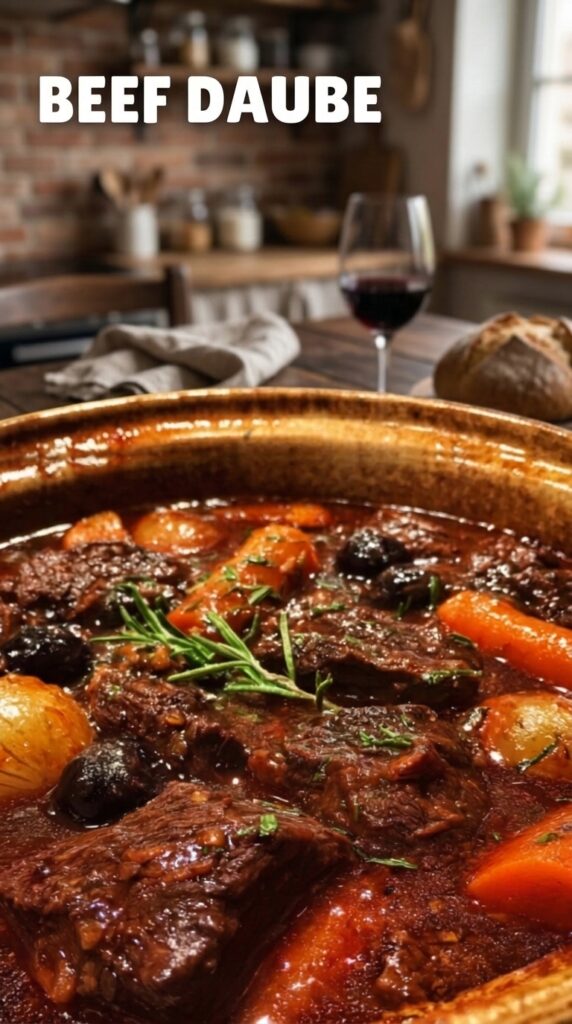
Beef Daube is a traditional French beef stew made with tender chunks of beef, aromatic vegetables, fresh herbs, and a rich, deeply flavorful red wine sauce. This comforting dish is slowly cooked until the beef becomes incredibly tender and the sauce develops a luxurious, velvety texture.
Originating from Provence in southern France, Beef Daube is known for its slow-braising technique, which transforms affordable cuts of beef into a delicious, restaurant-quality meal. The combination of beef chuck roast, carrots, pearl onions, garlic, rosemary, thyme, and red wine creates a hearty dish that is perfect for chilly evenings, Sunday family dinners, and special occasions.
One of the best things about this recipe is that most of the cooking happens slowly in the oven. With a little preparation and patience, you can create an impressive French-inspired meal with minimal hands-on effort.
The tender beef practically melts in your mouth, while the sweet carrots, savory onions, and rich sauce make every bite delicious.
Recipe Information
Prep Time: 25 minutes
Marinating Time: 4–12 hours (optional)
Cook Time: 3–3½ hours
Total Time: Approximately 4 hours, excluding marinating
Servings: 6
Difficulty: Medium
Cuisine: French, Provençal
Course: Main Dish
Cooking Method: Slow-Braised, Oven-Cooked
Ingredients
For the Beef
3 pounds beef chuck roast, cut into 2-inch cubes
2 tablespoons olive oil
1 tablespoon unsalted butter
1½ teaspoons kosher salt, divided
1 teaspoon freshly ground black pepper
3 tablespoons all-purpose flour
For the Vegetables
4 medium carrots, peeled and cut into thick pieces
1½ cups pearl onions, peeled
1 large yellow onion, finely chopped
4 garlic cloves, minced
2 celery stalks, chopped
2 tablespoons tomato paste
For the Braising Liquid
2 cups dry red wine, such as Cabernet Sauvignon, Merlot, or Côtes du Rhône
1½ cups low-sodium beef broth
1 can (14 ounces) crushed tomatoes
1 tablespoon Worcestershire sauce
1 teaspoon balsamic vinegar
1 teaspoon brown sugar, optional
For the Herbs and Seasonings
3 fresh thyme sprigs
2 fresh rosemary sprigs
2 bay leaves
1 teaspoon dried herbes de Provence
½ teaspoon smoked paprika
¼ teaspoon ground cloves, optional
1 strip orange peel, without the white pith
For Garnishing
2 tablespoons freshly chopped parsley
Fresh rosemary sprigs
Fresh thyme leaves
Freshly ground black pepper
Step-by-Step Instructions
Step 1: Prepare the Beef
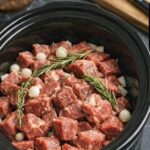
Begin by trimming excess hard fat and silver skin from the beef chuck roast.
Cut the meat into evenly sized cubes, approximately 2 inches each. Larger pieces are ideal for slow braising because they remain juicy and tender during the extended cooking process.
Pat the beef completely dry using paper towels. Removing surface moisture helps the meat develop a deep brown crust when seared.
Season the beef with approximately 1 teaspoon of the salt and the black pepper.
Sprinkle the flour over the beef and gently toss until each piece is lightly coated.
The flour helps thicken the sauce naturally as the stew cooks.
For even deeper flavor, you can marinate the beef in the red wine with thyme, rosemary, and orange peel for 4–12 hours in the refrigerator. If marinating, drain and dry the beef before searing, reserving the wine and herbs for the braise.
Step 2: Preheat the Oven
Preheat your oven to 325°F (165°C).
Choose a large, heavy-bottomed Dutch oven or another oven-safe pot with a tight-fitting lid.
A Dutch oven is especially suitable because its thick walls distribute heat evenly and retain moisture during slow cooking.
This gentle cooking method allows the collagen in the beef to gradually soften, producing exceptionally tender meat.
Step 3: Sear the Beef
Heat the olive oil and butter in the Dutch oven over medium-high heat.
Once the butter has melted and the oil is hot, add several pieces of beef in a single layer.
Avoid overcrowding the pot because the meat needs enough space to brown properly.
Sear the beef for approximately two to three minutes per side, turning occasionally until a deep golden-brown crust forms.
Work in batches if necessary.
Transfer the browned beef to a separate plate and repeat with the remaining pieces.
Do not worry if browned bits stick to the bottom of the pot. These flavorful deposits, called fond, will add tremendous depth to the sauce.
Step 4: Sauté the Aromatic Vegetables
Reduce the heat to medium.
Add the chopped yellow onion and celery to the same Dutch oven.
Cook for approximately five minutes, stirring occasionally, until the onion becomes translucent and slightly golden.
Add the minced garlic and cook for another 30–60 seconds until fragrant.
Be careful not to burn the garlic because it can develop a bitter flavor.
Next, stir in the tomato paste and cook for approximately two minutes.
Allowing the tomato paste to cook briefly deepens its flavor and enhances the rich color of the finished sauce.
Step 5: Deglaze With Red Wine
Slowly pour the red wine into the Dutch oven.
Use a wooden spoon to scrape the browned bits from the bottom of the pot.
These caramelized meat and vegetable deposits contribute much of the dish’s savory richness.
Bring the wine to a gentle simmer and cook for approximately five to seven minutes.
This process slightly reduces the wine and concentrates its flavor.
The wine should smell aromatic and rich rather than sharply alcoholic.
If you marinated the beef in wine, use that reserved wine here and bring it to a full simmer before proceeding.
Step 6: Build the Rich Braising Sauce
Add the beef broth, crushed tomatoes, Worcestershire sauce, balsamic vinegar, and optional brown sugar.
Stir until everything is thoroughly combined.
Add the dried herbes de Provence, smoked paprika, ground cloves if using, and remaining salt.
Place the thyme sprigs, rosemary sprigs, bay leaves, and orange peel into the sauce.
The orange peel is a traditional Provençal-inspired addition that gives the stew a delicate citrus aroma without making it taste sweet.
Bring the mixture to a gentle simmer.
Step 7: Return the Beef to the Pot
Carefully transfer the browned beef and any accumulated juices back into the Dutch oven.
Stir gently to coat the meat with the sauce.
The liquid should come approximately two-thirds to three-quarters of the way up the beef pieces.
If necessary, add a small amount of extra beef broth.
Avoid completely submerging the beef because braising works best with a combination of moist heat and gentle steaming.
Cover the Dutch oven tightly with its lid.
Step 8: Slow-Braise the Beef
Transfer the covered Dutch oven to the preheated oven.
Cook for approximately two hours.
During this time, the beef will gradually become more tender as its connective tissue softens.
The red wine, tomatoes, broth, herbs, and aromatic vegetables will combine into a deeply flavorful sauce.
Check the stew after approximately 90 minutes to make sure the liquid is gently simmering rather than boiling rapidly.
If the sauce appears excessively thick, add a small splash of beef broth.
Avoid stirring too frequently because the beef pieces can begin to break apart as they become tender.
Step 9: Add Carrots and Pearl Onions
After two hours, carefully remove the Dutch oven from the oven.
Add the thickly sliced carrots and peeled pearl onions.
Gently stir to distribute the vegetables throughout the stew.
Return the lid to the Dutch oven and place it back in the oven.
Continue cooking for another 60–90 minutes.
The carrots should become tender while retaining their shape, and the pearl onions should develop a soft, subtly sweet flavor.
The beef is ready when it can be easily pierced and separated with a fork.
Step 10: Adjust the Sauce
Once the beef is completely tender, remove the Dutch oven from the oven.
Carefully discard the bay leaves, woody rosemary stems, thyme stems, and orange peel.
If the sauce is thinner than desired, transfer the beef and vegetables to a serving dish using a slotted spoon.
Place the Dutch oven over medium heat and simmer the sauce uncovered for approximately 5–10 minutes, until slightly reduced.
For a naturally glossy finish, stir in one teaspoon of cold butter just before serving.
Taste the sauce and adjust the salt and pepper as needed.
The finished sauce should be rich, savory, aromatic, and thick enough to lightly coat the beef.
Step 11: Rest Before Serving
Allow the Beef Daube to rest for approximately 10–15 minutes before serving.
This resting period allows the flavors to settle and the sauce to thicken slightly.
Return the beef and vegetables to the sauce if they were removed.
Stir gently so every piece becomes beautifully coated.
Step 12: Garnish and Serve
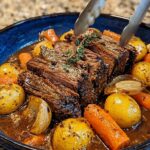
Transfer the Beef Daube to a large rustic serving bowl or bring the Dutch oven directly to the table.
Sprinkle with freshly chopped parsley and thyme leaves.
Add a fresh rosemary sprig for an elegant presentation.
Serve warm with creamy mashed potatoes, buttered egg noodles, crusty French bread, or soft polenta.
The rich sauce is especially delicious when paired with something that can absorb its wonderful flavor.
Expert Tips for Perfect Beef Daube
1. Choose the right cut of beef.
Beef chuck roast is one of the best cuts for this recipe because it contains connective tissue that softens during slow cooking. Avoid lean cuts such as beef tenderloin, which can become dry during lengthy braising.
2. Brown the beef properly.
Do not skip the searing step. The golden-brown crust creates deep savory flavors that enhance the finished stew.
3. Cook slowly at a gentle temperature.
Low, steady heat is the secret to tender Beef Daube. Cooking too quickly can cause the meat fibers to tighten and the beef to become tough.
4. Use a flavorful red wine.
Choose a dry red wine you enjoy drinking. Cabernet Sauvignon, Merlot, Syrah, or Côtes du Rhône are excellent choices.
5. Cut vegetables into large pieces.
Thick carrot pieces and whole pearl onions hold their shape better during slow cooking.
6. Do not add the carrots too early.
Adding the carrots during the final stage prevents them from becoming overly soft and mushy.
7. Let the flavors develop.
Beef Daube often tastes even better the following day because the ingredients have more time to blend together.
8. Remove excess fat.
If the surface becomes greasy, gently skim off excess fat before serving.
Recipe Notes and Variations
Alcohol-Free Beef Daube
For a version without wine, replace the red wine with additional beef broth and approximately two tablespoons of balsamic vinegar.
You can also add a small amount of unsweetened red grape juice for extra depth and sweetness.
The flavor will differ from traditional wine-braised Beef Daube, but the dish will still be rich and satisfying.
Slow Cooker Method
Follow the searing and vegetable-sautéing instructions.
Transfer everything to a slow cooker, using only about ¾ cup of beef broth initially because slow cookers retain more moisture.
Cook on low for approximately 7–8 hours, or until the beef becomes fork-tender.
For firmer vegetables, add the carrots and pearl onions during the final two to three hours.
Add Mushrooms
For an earthy variation, add one to two cups of sautéed cremini mushrooms during the final hour of cooking.
Mushrooms absorb the rich sauce and create another layer of savory flavor.
Make Ahead
Beef Daube is an excellent make-ahead dish.
Prepare the stew one day in advance, cool it promptly, and refrigerate it in an airtight container.
Reheat gently over low heat before serving.
Storage Instructions
Store leftover Beef Daube in airtight containers in the refrigerator for up to three to four days.
Refrigerate within two hours of cooking.
Freezing Instructions
Allow the stew to cool and divide it into freezer-safe containers.
Freeze for up to three months for best quality.
Thaw overnight in the refrigerator and reheat until thoroughly hot.
Nutritional Information
Approximate values per serving, based on six servings. Actual amounts vary according to the cut of beef, ingredients, and sauce reduction.
| Nutrient | Estimated Amount |
|---|---|
| Calories | 570 kcal |
| Protein | 45 g |
| Carbohydrates | 19 g |
| Total Fat | 32 g |
| Saturated Fat | 12 g |
| Dietary Fiber | 4 g |
| Sugars | 9 g |
| Sodium | 900 mg |
| Iron | 5 mg |
| Potassium | 1,000 mg |
Nutritional Benefits of Beef Daube
1. Excellent Source of Protein
Beef provides high-quality protein containing essential amino acids needed for maintaining muscle mass and supporting normal tissue repair.
2. Rich in Iron
Beef contains heme iron, a form of iron that the body can absorb efficiently.
Iron is essential for the formation of healthy red blood cells and the transport of oxygen throughout the body.
3. Provides Vitamin B12
Beef is naturally rich in vitamin B12, which supports healthy nerve function and red blood cell production.
4. Contains Important Minerals
This dish provides minerals including zinc, phosphorus, and potassium.
Zinc supports normal immune function, while phosphorus contributes to bone health.
5. Includes Nutrient-Rich Vegetables
Carrots contribute beta-carotene, while onions, garlic, tomatoes, and herbs provide additional nutrients and plant compounds.
6. A Satisfying Family Meal
The combination of protein-rich beef, vegetables, and a deeply flavored sauce makes Beef Daube a filling, satisfying dish.
For a more balanced meal, serve it with steamed vegetables or a fresh green salad.
Frequently Asked Questions
Q1. What is Beef Daube?
Beef Daube is a traditional French beef stew, especially associated with Provence. It is made by slowly braising beef with wine, vegetables, herbs, and aromatic seasonings until the meat becomes exceptionally tender.
Q2. What is the difference between Beef Daube and Beef Bourguignon?
Both are French beef stews prepared using slow-braising techniques. Beef Bourguignon is associated with Burgundy and commonly includes bacon, mushrooms, and pearl onions. Provençal Beef Daube often features Mediterranean herbs, garlic, tomatoes, and sometimes orange peel.
Q3. What is the best beef for Beef Daube?
Beef chuck roast is an excellent choice because its marbling and connective tissue make it flavorful and tender after slow cooking. Beef brisket and certain cuts of beef shoulder also work well.
Q4. Can I make Beef Daube without red wine?
Yes. Replace the wine with beef broth and a little balsamic vinegar. However, the sauce will have a different flavor from traditional wine-based Beef Daube.
Q5. Why is my beef still tough?
The most common reason is insufficient cooking time. Beef chuck needs several hours of gentle braising for its connective tissue to soften. Continue cooking until the meat becomes fork-tender.
Q6. Can I make this recipe in a slow cooker?
Absolutely. Sear the beef first, transfer everything to the slow cooker, and cook on low for approximately seven to eight hours.
Q7. Does Beef Daube taste better the next day?
Many people prefer it the following day because the flavors continue to blend while the stew rests in the refrigerator.
Q8. What should I serve with Beef Daube?
Creamy mashed potatoes, egg noodles, buttered rice, crusty French bread, roasted potatoes, and soft polenta all work beautifully.
Q9. Can I freeze leftover Beef Daube?
Yes. Store portions in freezer-safe containers for up to three months for best quality. Thaw in the refrigerator before reheating.
Q10. How do I make the sauce thicker?
Simmer the sauce uncovered for several minutes to reduce excess liquid. The flour coating on the beef also helps thicken the sauce as it cooks.
Final Cooking Tips
The secret to exceptional French Beef Daube is patience. Select a flavorful cut of beef, brown it thoroughly, and allow it to cook slowly in a fragrant mixture of red wine, beef broth, tomatoes, vegetables, and fresh herbs.
Avoid rushing the braising process. The longer, gentle cooking time is what creates the signature fork-tender beef and rich sauce.
For a beautiful presentation, serve the finished stew in a rustic ceramic bowl, surrounded by tender carrots and pearl onions, with fresh rosemary and parsley scattered over the top.
Classic French Beef Daube is more than a simple beef stew. It is a comforting, deeply flavorful meal that transforms everyday ingredients into an elegant French-inspired dinner, perfect for family gatherings, cozy winter evenings, and special occasions.
https://ketosl.com/brown-sugar-honey-glazed-ham-easy-holiday-recipe/