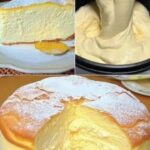
3-Ingredient Baked Egg Custard
Description
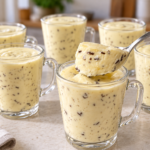
3-Ingredient Baked Egg Custard is a classic old-fashioned dessert made with just eggs, whole milk, and granulated sugar. The simple mixture bakes gently in a water bath until the edges are set and the center becomes silky, creamy, and delicately sweet.
There is no crust, flour, condensed milk, cream cheese, or mixer required. The ingredients come together in minutes, making this an easy everyday dessert that still feels wonderfully comforting and homemade.
The secret to a smooth custard is gentle whisking and gentle baking. Avoid incorporating too much air into the eggs, and remove the custards from the oven while the centers still have a slight wobble. They will continue to set as they cool.
Recipe Overview
- Prep Time: 10 minutes
- Cook Time: 40–50 minutes
- Total Time: About 1 hour
- Servings: 6
- Course: Dessert
- Cuisine: American/Old-Fashioned
- Texture: Silky, creamy, tender
- Difficulty: Easy
Ingredients
- 4 large eggs
- 2 cups whole milk
- ½ cup granulated sugar
Instructions
1. Prepare the Oven and Water Bath
Preheat the oven to 325°F (165°C).
Arrange six small ramekins or custard cups inside a deep baking dish or roasting pan. Leave enough space between the cups so hot water can circulate around them.
2. Whisk the Eggs
Crack the eggs into a large mixing bowl.
Gently whisk until the yolks and whites are completely combined. Avoid vigorous whisking because excessive air can create bubbles on the surface of the finished custard.
3. Add the Sugar
Add the granulated sugar and gently whisk until it is incorporated into the eggs.
There is no need to beat the mixture until fluffy. The goal is simply to combine the ingredients.
4. Add the Milk
Slowly pour the whole milk into the egg mixture while stirring gently.
Continue mixing until the custard is smooth and evenly combined.
5. Strain the Custard
For an especially smooth and delicate texture, pour the mixture through a fine-mesh strainer into a clean bowl or large measuring jug.
This optional step removes tiny pieces of egg and helps produce a more refined custard.
If there is visible foam on the surface, skim it off before filling the ramekins.
6. Fill the Ramekins
Divide the custard mixture evenly between the six ramekins.
Try to leave a little space at the top of each cup.
7. Add the Hot Water
Carefully pour hot water into the larger baking dish.
The water should reach approximately halfway up the outside of the ramekins.
Be careful not to splash water into the custard cups.
8. Bake
Carefully transfer the baking dish to the preheated oven.
Bake for approximately 40–50 minutes.
The exact baking time can vary depending on the size and depth of the ramekins.
The edges should look set, while the centers should still have a gentle wobble when the ramekins are lightly moved.
Do not wait for the centers to become completely firm in the oven. Overbaking is one of the main causes of rubbery custard.
9. Cool
Carefully remove the ramekins from the hot water bath.
Allow them to cool at room temperature.
They can be served slightly warm, at room temperature, or covered and refrigerated until thoroughly chilled.
For the best cold-custard texture, refrigerate for several hours before serving.
Why You’ll Love This Recipe
Only 3 ingredients: Eggs, milk, and sugar are all you need for the basic recipe.
No mixer required: A gentle whisk is enough to combine everything.
Easy preparation: The custard mixture takes only a few minutes to prepare.
Make-ahead friendly: Bake it earlier in the day and refrigerate it until dessert time.
Smooth and creamy: Proper gentle baking creates a soft, silky texture rather than a firm or rubbery one.
Simple presentation: Individual custard cups make this humble dessert feel a little more special.
The Secret to Smooth Baked Custard
There are two important details to remember.
First, whisk gently. Vigorous whisking incorporates air into the eggs, which can leave bubbles across the surface of the custard.
Second, use a water bath. The hot water surrounds the ramekins with gentle, even heat. This helps the eggs cook gradually instead of being exposed directly to intense oven heat.
Most importantly, don’t overbake the custard. A properly baked custard should still have a slight jiggle in the center when it comes out of the oven.
As it cools, the residual heat continues cooking the custard and the texture becomes firmer.
How to Tell When Egg Custard Is Done
The edges should appear set and slightly firm, while the center should move gently when the ramekin is shaken.
Think of the movement as a soft wobble rather than liquid sloshing.
If the entire custard looks completely firm while still in the oven, it may already be overcooked.
The custard will continue setting during cooling, so there is no need to bake it until it looks completely solid.
Why Is My Custard Rubbery?
Rubbery custard is usually caused by overbaking or using excessive heat.
Eggs become increasingly firm as they cook. Baking them too long can cause the proteins to tighten too much, resulting in a dense or rubbery texture.
Keep the oven at 325°F and remove the custard when the center still has a slight wobble.
Do I Really Need a Water Bath?
A water bath is strongly recommended for this recipe.
The surrounding hot water provides gentle, even heat and helps protect the delicate egg mixture from the oven’s direct heat.
It also reduces the chance of the edges becoming overcooked before the center is ready.
Can I Make Baked Egg Custard Ahead?
Yes. This dessert works particularly well as a make-ahead recipe.
Bake the custards, allow them to cool, then cover and refrigerate them.
They can be prepared earlier in the day or the day before serving.
Can I Use Low-Fat Milk?
Yes, although whole milk provides the richest and creamiest result.
Low-fat milk can be used when preferred, but the finished custard may have a lighter texture and flavor.
Why Does My Custard Have Bubbles?
Bubbles usually happen because the eggs were whisked too vigorously or because foam remained on the mixture before baking.
Whisk slowly and gently, and skim off any obvious foam before filling the ramekins.
Straining the mixture can also help produce a smoother finished custard.
Why Did My Custard Crack?
Cracking can happen when the custard is overbaked or exposed to excessive heat.
A water bath and moderate oven temperature help minimize this problem.
Also remember that a slight wobble is desirable when the custard comes out of the oven.
Variations
Nutmeg Custard
For a traditional flavor, lightly sprinkle ground nutmeg over the top before baking. This adds another ingredient, so the recipe is no longer strictly three ingredients.
Cinnamon Custard
Add a light dusting of cinnamon before baking for a warm, comforting flavor.
Vanilla Custard
Stir 1 teaspoon vanilla extract into the milk mixture for a classic vanilla flavor.
Caramel Custard
Drizzle a small amount of caramel sauce over chilled custard just before serving.
Berry Custard
Top the finished custard with fresh strawberries, raspberries, or blueberries.
Adding the fruit after baking keeps the basic custard smooth and delicate.
Serving Suggestions
This custard is delicious on its own, but a few simple additions work beautifully.
Serve chilled with:
- Fresh strawberries
- Raspberries
- Blueberries
- Sliced peaches
- A light dusting of cinnamon
- A small amount of caramel sauce
- Crisp cookies on the side
For an afternoon treat, pair it with coffee or tea.
For dessert after dinner, simply serve each chilled custard in its ramekin with a spoon. Its creamy texture and delicate sweetness really don’t need much decoration.
Storage
Allow the baked custards to cool after cooking, then cover and refrigerate them within 2 hours.
Store them in the refrigerator and enjoy within approximately 3–4 days.
Keep the custards covered to prevent them from absorbing refrigerator odors and to help maintain their texture.
Can You Freeze Baked Egg Custard?
Freezing is not recommended.
Egg-and-milk custards can change texture after freezing and thawing. The mixture may become watery, grainy, or slightly separated instead of maintaining its original silky consistency.
For the best results, prepare the custard fresh and refrigerate it until serving.
Nutrition Information
Approximate nutrition per serving, based on 6 servings:
- Calories: 155–165 kcal
- Protein: 7 g
- Carbohydrates: 18 g
- Fat: 6 g
- Saturated Fat: 3 g
- Sugar: 18 g
- Calcium: Approximately 100–120 mg
Actual nutrition values can vary depending on the size of the eggs and the specific milk used.
Benefits of This Simple Dessert
This recipe is appealing because it uses a short ingredient list and straightforward preparation. Eggs and milk provide protein and several essential nutrients, while the sugar supplies sweetness and energy.
It is also naturally crustless and does not require flour, making it different from many traditional baked desserts.
Keep in mind that it is still a dessert containing added sugar, so it is best enjoyed as part of an overall balanced diet.
Recipe Tips
- Use whole milk for the creamiest texture.
- Whisk the eggs gently rather than beating them vigorously.
- Strain the mixture for an exceptionally smooth custard.
- Remove visible foam before baking.
- Always use a water bath for more even cooking.
- Make sure the hot water reaches about halfway up the ramekins.
- Don’t overfill the custard cups.
- Look for a slight center wobble when checking for doneness.
- Don’t wait for the center to become completely firm in the oven.
- Cool before refrigerating.
- Chill for several hours for the best cold texture.
Frequently Asked Questions
Can I serve baked egg custard warm?
Yes. It can be enjoyed slightly warm, at room temperature, or thoroughly chilled.
How long should I chill it?
A few hours is ideal. Chilling allows the custard to finish setting and develop its smooth texture.
Can I make this without ramekins?
Yes, you can use another suitable oven-safe baking dish, although individual ramekins make portioning and serving easier. Baking time may change depending on the size and depth of the dish.
Can I use a different type of milk?
Yes, but whole milk gives the richest result. Lower-fat milk will generally produce a lighter custard.
Should I cover the custard while baking?
It isn’t necessary when using a water bath and the recommended temperature. The important thing is to avoid overbaking.
Why is the center still jiggly?
A gentle wobble is normal and desirable when the custard first comes out of the oven. It will continue setting as it cools.
Can I add vanilla?
Absolutely. Add about 1 teaspoon vanilla extract for a classic vanilla variation.
Can I add fruit before baking?
Fresh fruit is generally better added after baking because excess moisture can affect the custard’s texture.
What is the best way to serve it?
Chilled straight from the refrigerator is a particularly good option. Add fresh berries or a small amount of caramel if desired.
Final Thoughts
3-Ingredient Baked Egg Custard is proof that a delicious homemade dessert doesn’t have to involve a long ingredient list or complicated technique. Eggs, milk, and sugar transform into a delicate, creamy custard with a beautifully tender texture.
The most important part is patience: whisk gently, bake slowly in a water bath, and take the custard out while the centers still have a slight wobble. After cooling and chilling, you’ll have a simple old-fashioned dessert that’s creamy, comforting, and easy enough to make again and again.