

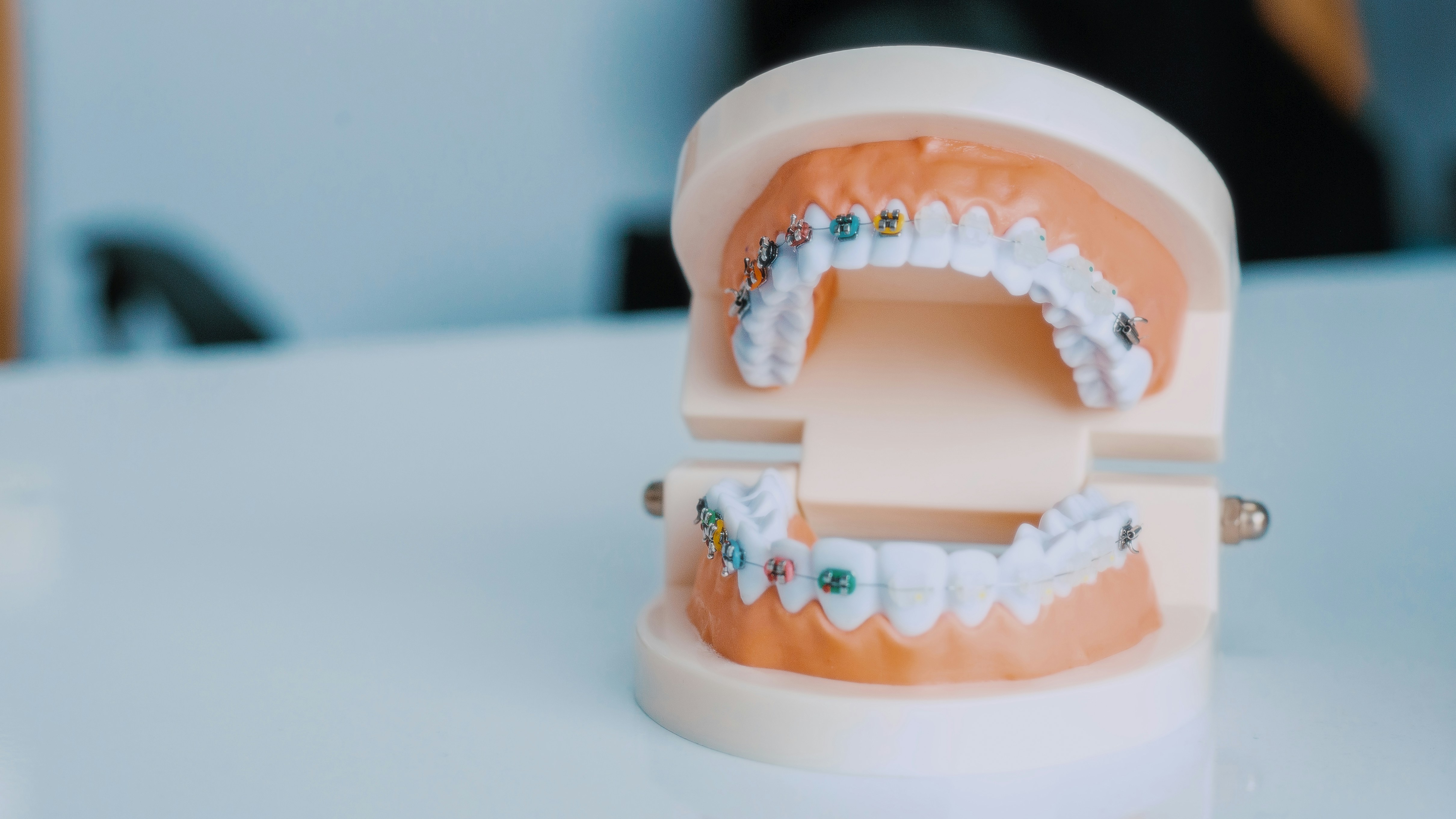
Introduction to Dental Braces
Dental braces are orthodontic devices designed to correct various dental irregularities, including misaligned teeth and bite issues. These appliances apply gentle pressure over time to gradually reposition the teeth, ensuring a more balanced and aesthetically pleasing smile. The importance of braces in orthodontic treatment cannot be overstated, as they play a crucial role in enhancing oral health and function. Properly aligned teeth contribute to better chewing, improved speech, and easier hygiene practices, ultimately reducing the risk of dental issues such as cavities, gum disease, and jaw problems.
Many individuals, particularly children and teenagers, seek braces as a proactive approach to correcting alignment issues. However, adults are increasingly recognizing the benefits of orthodontic treatments, leading to a growing demand for braces across all age groups. The decision to pursue treatment is often influenced by the desire for improved aesthetics, but the functional advantages for oral health are equally significant.
There are several common types of braces available, each tailored to meet the unique needs of patients. Traditional metal braces, which consist of brackets and wires, are the most recognizable and widely used type. They are effective for treating a variety of dental issues and are often the preferred choice for younger patients due to their durability. Ceramic braces, made from tooth-colored materials, offer a more discreet alternative for individuals concerned about aesthetics. Lingual braces, which are placed on the back of the teeth, provide an invisible solution for those looking to minimize visibility during treatment.
Additionally, clear aligners, such as Invisalign, represent a modern approach to orthodontics, using a series of transparent trays to gradually shift teeth. These options reflect the advancements in orthodontic care and highlight the importance of consulting with dental professionals to select the most appropriate treatment method tailored to individual needs.
Understanding Dental Insurance
Dental insurance is a type of health insurance plan that helps cover the costs associated with dental care, providing financial protection against high expenses. Most dental insurance plans are designed to make routine dental care more accessible and include various coverage tiers depending on the services provided. Typically, dental insurance consists of three main categories: preventive, basic, and major services.
Preventive services often include routine check-ups, cleanings, and X-rays, which are crucial for maintaining oral health. These services usually have a higher level of coverage, as they are essential for preventing dental issues. Basic services may encompass treatments like fillings or extractions, which are necessary when more serious situations arise. These often carry a moderate level of coverage, while major services, such as crowns, bridges, and dentures, represent the most expensive dental procedures and typically come with a lower percentage of coverage.
Key terms in dental insurance plans include premiums, deductibles, co-pays, and coverage limits. A premium is the amount paid, typically monthly, for the insurance coverage itself. The deductible is the amount one must pay out-of-pocket before the insurance begins to cover expenses. Co-pays are fixed amounts paid for particular services at the time of treatment, while coverage limits caps the total amount of money the insurance will pay in a year.
Orthodontic services, such as braces, often fall under the major services category in dental insurance plans, with varying levels of coverage depending on the specific policy. Understanding these components is essential for making informed decisions regarding dental insurance and ensuring that you can adequately prepare for the potential costs associated with braces and other dental treatments.
Types of Insurance Plans Covering Braces
The landscape of dental insurance is varied, offering different plans that may include coverage for braces. Understanding these types of insurance plans is crucial for individuals seeking orthodontic treatment. The primary categories of dental insurance include employer-sponsored plans, individual plans, and government programs such as Medicaid and Medicare. Each category uniquely positions itself with its coverage policies regarding orthodontics.
Employer-sponsored plans are typically offered through companies as part of a benefits package. These plans might provide a significant portion of coverage for braces, though specifics can vary based on the employer’s selection of insurance providers. Employees should carefully review the terms of their plan, as some arrangements may offer broader orthodontic coverage than others, including limitations on the age when treatment can begin or the type of braces covered.
Individual insurance plans are purchased directly by consumers through private insurers. These plans can offer tailored coverage options, allowing buyers to select specific features. When exploring individual plans, it’s essential to scrutinize the details surrounding orthodontic benefits, as they may have waiting periods, annual maximums, or specific limits on coverage for braces. Additionally, comprehending the difference between coverage for children and adults within these plans can save potential costs.
Government programs like Medicaid and Medicare also play a significant role in orthodontic coverage, especially for low-income individuals and families. Medicaid covers braces based on medical necessity rather than purely cosmetic reasons, which means that eligibility can depend on the severity of dental issues. Meanwhile, Medicare typically does not cover orthodontic treatments, focusing instead on other dental services. Understanding the nuances of these different types of plans is essential for anyone considering braces, as the coverage can significantly influence overall treatment costs and accessibility.
What to Look for in Coverage for Braces
When evaluating a dental insurance policy to determine coverage for braces, it is essential to thoroughly analyze specific aspects that can significantly influence the overall cost and efficacy of the treatment. One of the first factors to consider is the coverage percentage for orthodontic services. Many insurance policies offer partial coverage for braces, typically ranging from 50% to 80%. Understanding this percentage will help you calculate your out-of-pocket expenses and budget accordingly.
Another critical element is the waiting period associated with orthodontic treatments. Some insurance providers impose waiting periods before coverage becomes available, which may last from a few months to several years. Assessing these waiting periods in your policy will enable you to gauge when you can begin treatment without incurring excess costs.
Furthermore, it is vital to be aware of any lifetime limits specific to orthodontic care. Many policies specify a maximum benefit amount for orthodontic treatment, which means that even if your plan covers a percentage, there may be a cap on the total reimbursement. Therefore, it is crucial to review this limit to avoid unexpected expenses in the future.
Additionally, carefully examine any exclusions listed in your policy. Some insurers may not cover certain types of braces, such as those for cosmetic purposes or for adults, which can vary significantly between plans. Identifying these exclusions will clarify what services you can expect coverage for and help you make informed decisions regarding your orthodontic needs.
Lastly, pay attention to the maximum allowances related to braces. These allowances dictate how much your insurance will pay per year for orthodontic services and can affect the overall affordability of your treatment. By understanding these components within your dental insurance policy, you can make informed decisions about whether braces are feasible and determine the best approach for your dental care.
Common Exclusions and Limitations
When it comes to dental insurance policies, understanding the exclusions and limitations regarding braces is crucial for any policyholder. Insurers often stipulate specific conditions under which braces may or may not be covered. One of the primary factors influencing coverage is the distinction between braces needed for medical necessity versus those sought purely for cosmetic reasons. Many insurance plans tend to limit or exclude coverage for orthodontic treatment if it is deemed to be solely for aesthetic improvement, without addressing an underlying dental health issue.
Furthermore, the age of the patient can also play a significant role in determining coverage. Some insurance policies limit braces to children and adolescents, categorizing orthodontic treatment as a necessity primarily for younger individuals as their teeth and jaws are still developing. For adults seeking braces, insurers may impose stricter criteria, or outright exclusion of coverage. This age limitation can leave adults to bear the full financial burden of orthodontic treatment, significantly impacting budget considerations.
Another common exclusion involves specific types of braces. While traditional metal braces may often be covered, alternative options, such as clear aligners or lingual braces, might not be included in the insurance plan. Insurers tend to specify which treatments are covered, and any deviations from conventional methods may be seen as elective or experimental, thus falling outside of policy provisions.
Additionally, pre-existing conditions can also affect coverage decisions. If a patient has a prior dental condition that necessitated orthodontic intervention, insurance policies may have limitations that exclude coverage for any future braces needed to address related issues. Patients are advised to thoroughly review their dental insurance policies to understand these exclusions and limitations, enabling them to make informed decisions regarding their orthodontic care.
Payment Options and Financial Assistance
For individuals whose insurance plans do not fully cover braces, several alternative payment options and financial assistance programs can help manage the associated costs of orthodontic treatment. Understanding these options is crucial for making braces more accessible to those who require them.
One common approach is to inquire about payment plans directly with dental offices. Many orthodontic practices offer in-house financing arrangements that allow patients to spread the cost of braces over several months. These plans can include little to no interest, making it easier to budget expenses without incurring substantial debt. It is advisable to communicate with the orthodontist’s office to understand the terms and payment schedules they provide.
Additionally, third-party financing options are available, which specifically cater to dental needs. Companies such as CareCredit and LendingClub offer healthcare financing plans that enable patients to cover the costs of braces. These companies typically provide flexible payment options and often feature promotional periods with 0% interest for a specified time frame, allowing patients to pay off their treatment without excessive financial burden.
For low-income individuals, various assistance programs may be available through local nonprofits or dental schools. These programs might offer braces at reduced rates or even at no cost, depending on the applicant’s financial situation. Communities often provide resources and referrals to organizations dedicated to helping those in need access affordable dental care.
Overall, while the cost of braces can be significant, understanding the various payment options and financial assistance programs can ease the financial strain. It is essential to explore all avenues thoroughly to find the best solution tailored to individual needs. This proactive approach can effectively help manage out-of-pocket costs associated with orthodontic treatment.
How to File a Claim for Braces Coverage
Navigating the process of filing an insurance claim for braces can seem daunting, but understanding the necessary steps can facilitate a smoother experience. The first step involves gathering all essential documentation required by your insurer. This includes obtaining a comprehensive treatment plan from your orthodontist, which outlines the duration and type of orthodontic care you will receive. Additionally, secure a detailed invoice that clearly specifies the costs associated with the braces.
Once you have compiled these documents, the next step is to contact your insurance provider. It is beneficial to familiarize yourself with your policy details beforehand, as this will allow you to accurately present your case. When speaking to your insurance representative, be concise yet thorough. Clearly explain your child’s orthodontic needs and refer to specific benefits that cover orthodontic treatment within your plan. Having your policy number and personal information at hand will make this communication more efficient.
If your claim is submitted and subsequently denied, do not be discouraged. Many insurance claims are denied initially but can be overturned through an appeals process. Review the denial letter carefully, as it will detail the reasoning behind the decision. If the denial is due to a lack of information, you can often rectify this by submitting additional documents or clarifying any misunderstandings. Prepare an appeal letter that effectively outlines your case, referencing the policy provisions that support your claim.
Additionally, keeping a detailed record of all interactions with your insurance provider can be beneficial. Record the dates, times, and names of the representatives you communicate with. This information may prove useful if you need to escalate the issue further. Following these steps will empower you to effectively advocate for your child’s braces coverage and increase the likelihood of a successful claim.
Real-Life Experiences: Case Studies
Understanding the nuances of dental insurance when it comes to braces can be facilitated through real-life experiences. This section presents various case studies of individuals who navigated the complexities of obtaining braces with insurance coverage.
The first case involves Emily, a 24-year-old graduate student diagnosed with severe crowding and an overbite. Emily’s insurance plan included orthodontic benefits, covering up to 50% of her braces cost. Initially, she faced challenges in securing pre-approval for treatment. However, after appealing with additional documentation from her orthodontist demonstrating the medical necessity, her claim was approved, significantly reducing her out-of-pocket costs. Emily found that consistent communication with both her orthodontist and the insurance provider was key to her success.
In contrast, we have the experience of Jacob, a 30-year-old tech professional. Unlike Emily, Jacob’s insurance did not cover braces for adults, as it emphasized coverage for dependent children. Faced with the reality of a $5,000 bill, Jacob opted for a financing plan offered by his orthodontist. He recounted his relief in finding an affordable monthly payment option, allowing him to manage treatment costs over time effectively. Although he felt disheartened by the lack of coverage, Jacob’s story illustrates that viable paths still exist for adults seeking orthodontic care.
Lastly, consider Sarah, a mother of three who sought braces for her 15-year-old son. Her insurance policy was comprehensive, covering a significant portion of the treatment. She shared that the process of obtaining prior authorization was straightforward, aided by her orthodontist providing detailed treatment plans. Sarah emphasized the importance of reviewing benefits thoroughly, citing how it empowered her decision-making throughout the orthodontic journey.
These case studies highlight the diversity of experiences individuals encounter when seeking braces through insurance. By learning from real-life scenarios, readers can better prepare for their orthodontic ventures and navigate the insurance landscape more effectively.
Conclusion: Maximizing Your Insurance for Orthodontic Care
As we have explored throughout this guide, understanding dental insurance coverage, specifically for braces, is crucial for effectively managing the costs associated with orthodontic care. Many individuals may not realize that their insurance policies might include varying degrees of coverage for braces, which can significantly alleviate the financial burden of treatment.
Key takeaways include the importance of reviewing your specific insurance plan details, including any limitations on coverage and potential waiting periods. Many insurance policies offer a lifetime maximum benefit for orthodontic treatment, and knowing this figure can help in planning your orthodontic journey. Additionally, working closely with your orthodontist can provide clarity on what services are covered and might even lead to a process for pre-authorization, ensuring that all potential costs are communicated clearly before starting treatment.
It is imperative for readers to engage in thorough research regarding their options. Understanding the nuances of your insurance plan can empower you to make informed decisions about your orthodontic care. Speaking directly with your insurance representatives is a recommended strategy; they can clarify confusions regarding benefits and help you understand any specific requirements necessary to secure coverage for braces. Furthermore, assessing your current dental needs in conjunction with your financial situation allows for a more holistic view when choosing the most appropriate treatment plan.
Ultimately, taking the time to evaluate your insurance, ask pertinent questions, and consider your unique orthodontic needs is essential. By doing so, you can not only maximize your insurance benefits but also ensure that you achieve the best possible dental outcomes. Investing effort into understanding your coverage will yield significant benefits as you navigate the world of orthodontics.