
Ginger Water: Fresh Ginger Infused Drink
Description
Ginger water is a simple, refreshing drink made by steeping fresh ginger in hot water and allowing its natural flavor and aroma to infuse into the water. It can be enjoyed warm or chilled and is an easy way to include ginger in your everyday eating routine.
Fresh ginger has a naturally spicy, warming flavor and has been used traditionally in many cuisines and wellness practices. Ginger contains naturally occurring compounds called gingerols and related compounds that contribute to its characteristic taste and aroma.
This simple drink can be prepared with just fresh ginger and water or enhanced with lemon, mint, cinnamon, or a small amount of honey. It is naturally caffeine-free and contains very few calories when prepared without sweeteners.
Ginger water is sometimes promoted online as a drink that can “burn all the fat” from the abdomen, neck, arms, back, and thighs. However, no drink can selectively burn fat from specific areas of the body, and ginger water should not be considered a guaranteed weight-loss treatment. Body-fat reduction depends on overall energy balance, nutrition, physical activity, sleep, and individual factors.
Ginger is also sometimes called “natural morphine” because of claims that it eliminates muscle, joint, or rheumatic pain. That comparison is misleading. Ginger is not morphine, does not contain morphine, and should not be used as a replacement for prescribed pain treatment. Some research has investigated ginger’s potential role in supporting normal inflammatory processes, but drinking ginger water is not a guaranteed treatment for pain or rheumatic conditions.
That said, ginger water can still be a flavorful, hydrating beverage that fits easily into a balanced lifestyle.
Ingredients
For Basic Ginger Water
4 cups water
1 to 2 inches of fresh ginger root
1 teaspoon fresh lemon juice, optional
2 to 3 fresh mint leaves, optional
1 small cinnamon stick, optional
Optional Sweetener
1 teaspoon honey, optional
Use honey only if you want additional sweetness. Leaving it out keeps the drink lower in calories and free from added sugar.
Step-by-Step Instructions
Prepare the Ginger
Rinse the fresh ginger thoroughly under cool running water.
You can peel the ginger using a small spoon or vegetable peeler. Peeling is optional if the ginger is thoroughly cleaned.
Slice the ginger into thin pieces. Thin slices expose more surface area to the water and allow the ginger flavor to infuse more effectively.
For a stronger drink, lightly crush the slices with the side of a knife before adding them to the water.
Heat the Water
Pour 4 cups of water into a saucepan.
Bring the water to a gentle boil.
Once the water begins boiling, reduce the heat to low.
Add the ginger.
Add the sliced ginger to the hot water.
Allow it to gently simmer for approximately 10 to 15 minutes.
The longer you simmer the ginger, the stronger and spicier the flavor will become. If you prefer a mild drink, simmer for closer to 5 to 10 minutes.
Add Optional Ingredients
Turn off the heat and allow the drink to cool slightly.
Add fresh lemon juice if desired.
You can also add a cinnamon stick or a few fresh mint leaves for additional flavor.
If using honey, allow the drink to cool slightly before stirring it in.
Strain and Serve
Pour the ginger water through a fine strainer into cups or a heat-safe pitcher.
Serve warm, or allow it to cool completely and refrigerate it for a refreshing chilled beverage.
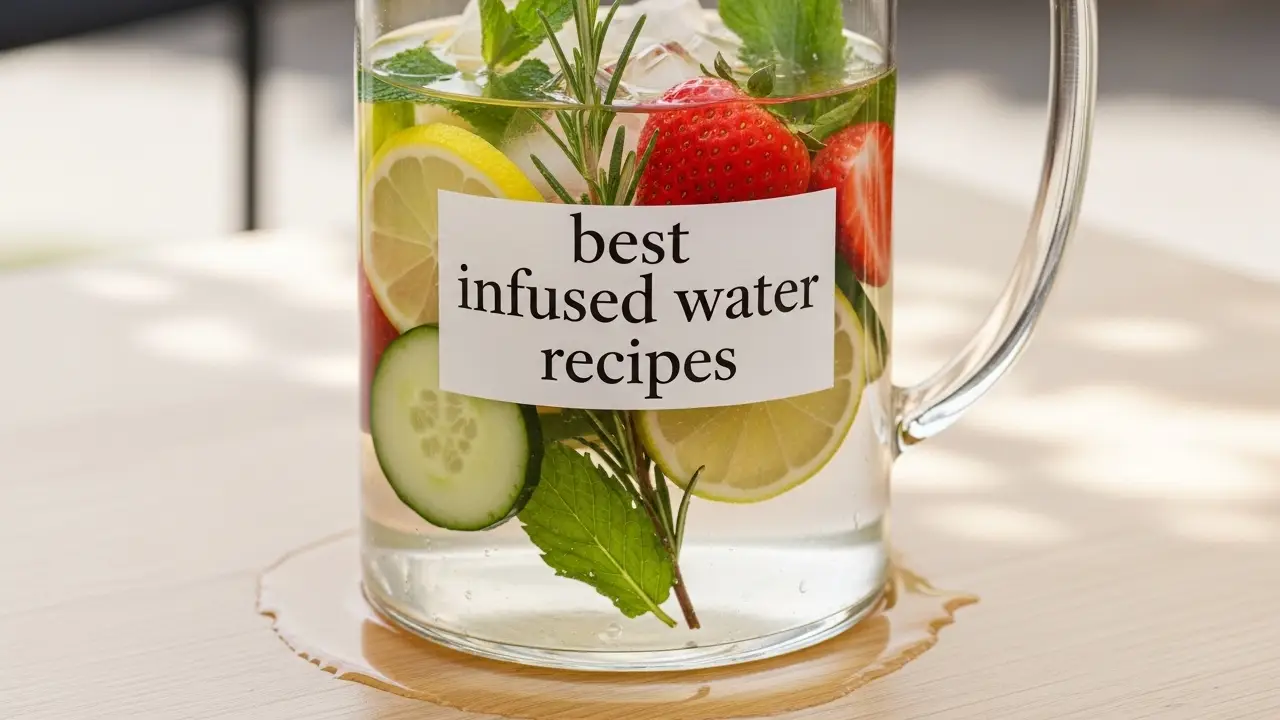
For a cold version, pour over ice and add lemon slices and fresh mint.
Cooking Notes
The amount of ginger can be adjusted according to personal taste.
Fresh ginger generally provides a stronger and fresher flavor than powdered ginger for this type of drink.
If the drink tastes too strong, simply dilute it with additional water.
If you prefer a more concentrated ginger flavor, use slightly more ginger or simmer it for a few additional minutes.
Avoid adding excessive honey or other sweeteners if your goal is to keep the drink low in calories.
Ginger water does not need to be complicated. The basic combination of ginger and water is enough to create a flavorful drink.
For meal preparation, make a larger batch and refrigerate it in a covered glass container.
Tips for Making the Best Ginger Water
Choose firm, fresh ginger that has smooth skin and a strong natural aroma.
Slice the ginger thinly so the water can absorb its flavor more effectively.
Do not boil the ginger aggressively for a long time because an extremely concentrated drink may taste unpleasantly strong.
Start with a small amount of ginger if you are new to ginger beverages.
Fresh lemon can brighten the flavor and make the drink more refreshing.
Mint provides a cooling contrast to ginger’s natural warmth.
Cinnamon can add a pleasant sweet-spice aroma without adding sugar.
For a chilled drink, prepare the ginger water ahead of time and refrigerate it.
Avoid making the beverage excessively sweet. The purpose of ginger water is to provide a flavorful, hydrating drink rather than a sugary beverage.
Flavor Variations
Lemon Ginger Water
Add fresh lemon juice after the ginger water has cooled slightly. Garnish with lemon slices for a bright citrus flavor.
Ginger Mint Water
Add several fresh mint leaves after steeping. Allow them to infuse for a few minutes before serving.
Ginger Cinnamon Water
Add one cinnamon stick while simmering the ginger. This creates a warm, aromatic drink that is especially enjoyable during colder weather.
Ginger Cucumber Water
Prepare the ginger water, cool it completely, and add thin cucumber slices. Refrigerate before serving for a refreshing summer beverage.
Ginger Orange Water
Add a few thin slices of fresh orange after the drink has cooled. The citrus flavor pairs particularly well with ginger.
Warm Honey Ginger Water
Add a small teaspoon of honey to warm ginger water. This version is comforting and naturally sweet, although honey still contributes sugar and calories.
Serving Suggestions
Ginger water can be enjoyed in the morning, during the afternoon, or with meals.
Serve it warm in a mug during cooler weather.
For summer, chill it thoroughly and serve over ice with lemon and mint.
It can also be served alongside breakfast instead of sugary beverages.
If you are trying to reduce your intake of sweetened drinks, unsweetened ginger water can be a flavorful alternative to soda or other sugary beverages.
Remember that plain water should still make up an important part of your daily fluid intake.
Potential Benefits of Ginger
Supports Hydration
The primary benefit of ginger water as a beverage is that it contributes to fluid intake. Staying adequately hydrated is important for normal body functions.
Contains Ginger’s Natural Compounds
Fresh ginger contains naturally occurring compounds such as gingerols. These compounds contribute to ginger’s characteristic spicy flavor and have been studied for various biological effects.
May Support Digestive Comfort
Ginger has traditionally been used to support digestion and ease feelings of nausea. Ginger itself has been studied for nausea in several settings, although the amount and preparation used in studies may differ from a simple homemade ginger-water recipe.
Provides a Flavorful Low-Calorie Drink
When prepared without honey or sugar, ginger water contains very few calories. This makes it useful for people who want a flavorful alternative to sweetened beverages.
May Fit Into a Balanced Weight-Management Plan
Replacing high-calorie sugary drinks with unsweetened ginger water can reduce overall calorie intake for some people.
However, ginger water itself does not selectively burn abdominal, neck, arm, back, or thigh fat.
Ginger and Muscle or Joint Discomfort
Ginger contains compounds that have been studied in relation to inflammatory processes and exercise-related muscle discomfort. However, ginger water should not be described as a natural form of morphine or as a cure for rheumatic disease, arthritis, or significant pain.
If persistent joint or muscle pain is present, especially if accompanied by swelling, weakness, fever, injury, or limited movement, professional medical evaluation is appropriate.
Important Notes About Weight Loss
There is no beverage that can specifically remove fat from selected body areas.
When the body loses fat, the pattern is influenced by genetics, hormones, age, sex, and other individual factors. Drinking ginger water cannot direct the body to burn fat specifically from the abdomen, neck, arms, back, or thighs.
Ginger water can still be included in a healthy weight-management routine because it is low in calories when unsweetened and can replace higher-calorie drinks.
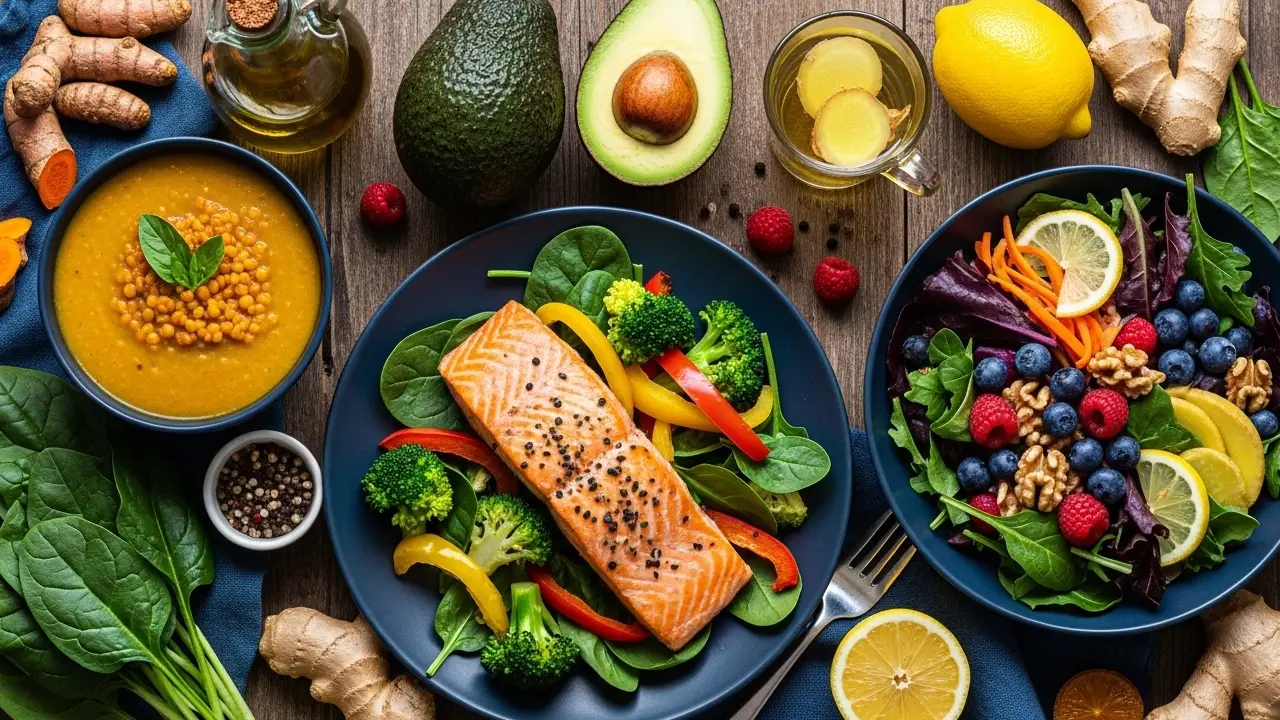
For sustainable weight management, focus on an overall eating pattern containing vegetables, fruits, protein-rich foods, whole grains, healthy fats, and appropriate portions, together with regular physical activity.
Safety and Considerations
Ginger is commonly consumed as a food, but concentrated amounts may cause heartburn, stomach discomfort, or irritation in some people.
People who take medications that affect blood clotting, have certain medical conditions, or are preparing for surgery should discuss regular or concentrated ginger consumption with a healthcare professional.
If ginger consistently causes stomach discomfort or reflux, reduce the amount or stop drinking it.
Ginger water is a beverage, not a substitute for prescribed medication or professional treatment.
Storage Instructions
Allow prepared ginger water to cool before refrigerating.
Store it in a clean, covered glass container in the refrigerator.
For best flavor and freshness, consume within approximately 2 to 3 days.
If you add fresh lemon, mint, cucumber, or fruit, the flavor is generally best when consumed sooner.
Do not leave prepared ginger water at room temperature for extended periods.
Q/A
Q: Does ginger water burn belly fat?
Ginger water does not specifically burn belly fat. Fat loss cannot be targeted to one particular body area through a drink.
Q: Can I drink ginger water every day?
For many people, moderate amounts of ginger as part of the diet are well tolerated. If it causes heartburn, stomach irritation, or other symptoms, reduce the amount or stop using it.
Q: Is ginger water the same as morphine?
No. Ginger is not morphine and should not be called “natural morphine.” They are completely different substances.
Q: Can ginger water cure joint pain?
Ginger water should not be considered a cure for joint or rheumatic pain. Ginger has been studied for possible effects related to inflammation and discomfort, but it is not a replacement for appropriate medical care.
Q: Can I drink ginger water for weight management?
Yes, it can be included in a balanced weight-management plan, particularly as an unsweetened alternative to sugary drinks.
Q: Should I add honey?
Honey is optional. If you want a low-calorie, no-added-sugar beverage, leave it out.
Q: Can I use powdered ginger?
Yes, but fresh ginger generally provides a brighter flavor. Start with a small amount of powdered ginger because its flavor can be quite concentrated.
Q: Can I drink it cold?
Absolutely. Refrigerate the prepared drink and serve it over ice with lemon and mint.
Q: When is the best time to drink ginger water?
There is no scientifically established time when ginger water specifically burns more fat. You can enjoy it whenever it fits comfortably into your routine.
Servings
This recipe makes approximately 4 servings.
Preparation Time: 5 minutes
Simmering Time: 10 to 15 minutes
Cooling Time: 10 minutes
Total Time: Approximately 25 to 30 minutes
Serving Size: Approximately 1 cup
Nutritional Information
Approximate nutrition per serving when prepared with ginger and water only:
Calories: 3 to 5 kcal
Protein: 0g
Carbohydrates: 1g
Dietary Fiber: Less than 1g
Fat: 0g
Sugar: Less than 1g
Sodium: Approximately 0mg
The nutritional values will increase if honey, fruit juice, or other sweeteners are added.
Final Thoughts
Ginger Water is an easy, refreshing, and inexpensive homemade beverage that can be enjoyed warm or cold. Its naturally spicy flavor makes plain water more interesting, while optional lemon, mint, or cinnamon can create additional flavor combinations.
Ginger can be a useful part of a balanced diet, particularly when consumed as a whole food or flavorful ingredient. However, it is important to separate genuine nutritional benefits from exaggerated online claims. Ginger water does not melt fat from specific body parts, and ginger is not “natural morphine” or a replacement for pain medication.
Enjoy this simple drink for what it can realistically provide: hydration, fresh ginger flavor, and a low-calorie alternative to sugary beverages. Pair it with nutritious meals, regular movement, adequate sleep, and an overall balanced lifestyle for a sustainable approach to wellness.