
Ginger and Clove Tea
Ginger and clove tea is a warm, fragrant drink made by gently simmering fresh ginger and whole cloves in water. The ginger gives it a lively, slightly peppery taste, while the cloves add a deep, sweet spice aroma. You can drink it hot or chill it for a refreshing spiced drink.
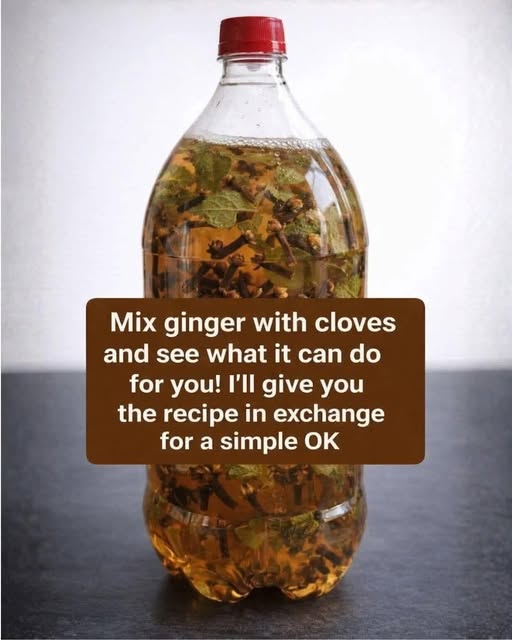
The photo shows a bottle containing ginger, cloves, and what appear to be other herbs, but the ingredients and quantities cannot be confirmed from the image. This recipe uses just ginger and cloves as its flavor base, with optional honey and lemon added when serving.
Prep Time: 5 minutes
Cook Time: 10 minutes
Steeping Time: 5 minutes
Servings: 4
Ingredients
4 cups water
2 inches fresh ginger, thinly sliced
4 whole cloves
1–2 teaspoons honey per cup, optional
Lemon slices, optional
Instructions
Step 1: Prepare the ginger. Rinse the ginger under running water, rubbing away any visible dirt. Slice it thinly so more of its surface touches the water. You can leave the peel on if it is clean, or remove it if you prefer. Thin slices give the tea a stronger flavor than one large piece.
Step 2: Add the ingredients to a saucepan. Pour the water into a small saucepan. Add the sliced ginger and four whole cloves. Keep the cloves whole so they are easy to strain out later. Ground cloves would leave fine particles in the finished drink.
Step 3: Bring to a gentle boil. Place the saucepan over medium-high heat. When the water begins to boil, lower the heat so it simmers gently. There is no need for a vigorous boil; a quiet simmer extracts plenty of flavor.
Step 4: Simmer for 10 minutes. Let the ginger and cloves simmer uncovered for about 10 minutes. The water will take on a pale golden color and a warm aroma. For a milder tea, simmer for only 5 minutes. If you prefer a stronger ginger taste, use the full 10 minutes and allow the tea to steep afterward.
Step 5: Steep and strain. Turn off the heat, cover the saucepan, and leave it for 5 minutes. Pour the tea through a fine-mesh strainer into a heat-safe jug or directly into cups. Discard the ginger slices and cloves, or set the ginger aside if you want to use it once more for a weaker second batch.
Step 6: Sweeten individual servings. Taste the tea before adding anything. If desired, stir 1–2 teaspoons of honey into each warm cup. Add a lemon slice for a brighter flavor. Sweetening each cup separately lets everyone adjust the drink to their taste.
Step 7: Serve hot or cold. Enjoy the tea warm immediately. For a cold drink, let the strained tea cool briefly, transfer it to a covered container, and refrigerate it. Pour it over ice when ready to serve, adding honey or lemon after tasting.
Tips
Start with a modest amount of cloves. Four whole cloves are enough to give four cups of tea a noticeable spiced aroma. Cloves can dominate the drink if too many are used or if they remain in the liquid for hours. Straining them after steeping keeps the flavor balanced.
Slice rather than grate the ginger. Thin slices are easy to remove and leave a clear tea. Grated ginger makes a stronger drink, but it also produces small fibers that require more careful straining. For this simple version, sliced ginger works well.
Taste before adding honey. Fresh ginger has a naturally lively taste, and cloves have a sweet aroma even though they do not add sugar. You may find that the tea needs less honey than expected. Add a little, stir, and taste again.
Use a saucepan for the hot preparation. The bottle in the image is a serving or storage style of container, not a reason to brew tea in disposable plastic. Simmer the ingredients in a saucepan, strain the liquid, and then transfer the cooled tea to a clean, suitable container.
Keep the recipe simple. The image appears to contain leaves, but they cannot be identified reliably. Avoid adding an unidentified herb to a drink. Ginger, cloves, water, and optional lemon are enough to produce a flavorful tea.
Adjust the strength with time. If your first batch tastes too strong, shorten the simmer to 5 minutes next time or add a little hot water to your cup. If it tastes too mild, let it steep a few minutes longer after turning off the heat. Changing the steeping time is easier than adding many more cloves.
Storage
Strain out the ginger and cloves before storing the tea. Pour it into a clean, covered container and refrigerate for up to 2 days for the best flavor. As a general food-safety practice, do not leave prepared drinks containing fresh ingredients sitting at room temperature for extended periods; refrigerate them promptly after cooling. FoodSafety.gov advises refrigerating perishable prepared foods within 2 hours.
To serve leftovers warm, pour only the amount you want into a saucepan or microwave-safe cup and heat it until pleasantly hot. You can also serve it cold over ice. Add fresh lemon and honey after reheating or pouring; this keeps their flavors distinct.
Serving Ideas
For a cozy cup, serve the tea hot with a thin lemon slice floating on top. Place honey on the table so each person can decide how sweet to make it. It pairs well with breakfast toast, a plain biscuit, or a lightly sweet snack.
For a cold version, pour the chilled tea over ice in a tall glass and add a fresh lemon slice. If you plan to serve it to guests, make the unsweetened tea ahead and offer honey separately. The ginger and clove flavors remain noticeable whether the drink is hot or chilled.
You can also serve smaller portions after a meal. Because the flavor is concentrated and spicy, a modest cup may be more enjoyable than a large one, especially for someone trying it for the first time.
Nutrition Benefits
Without honey, this tea contains very few calories. Honey adds sweetness and calories according to the amount used. The recipe is mainly a flavorful way to prepare a warm or cold drink.
The image suggests that the ginger and clove mixture will “do” something for your health, but it does not state a specific, supported benefit. This beverage should be presented as a tea rather than a treatment or cure. Ginger can cause heartburn or stomach discomfort in some people, and herbal products can interact with medicines; if you take medication and plan to consume ginger regularly for a health purpose, ask a health professional.
Q&A
Can I use powdered ginger instead of fresh ginger?
Fresh ginger gives this recipe its clean, bright flavor and is easy to strain. Powdered ginger will make a cloudier, more concentrated drink, so this recipe is best made with fresh slices.
Can I use ground cloves?
Whole cloves are recommended. Ground cloves are difficult to remove and can make the tea gritty. If you only have ground cloves, use a very small pinch and strain the drink through a fine filter.
Does the tea need honey?
No. Honey is optional. Taste the tea first, then sweeten your own cup if you like.
Can I leave the ginger and cloves in the bottle overnight?
It is better to strain them out after steeping. Leaving them in makes the drink increasingly strong, particularly from the cloves. Store the strained tea covered in the refrigerator.
Can I make a larger batch?
Yes. Double the water, ginger, and cloves, then use the same simmering and steeping times. Use a saucepan large enough to leave room above the liquid as it simmers.
Is this the exact recipe in the photo?
No. The photo does not show a complete ingredient list or method. This is a practical ginger and clove tea inspired by the visible ingredients.