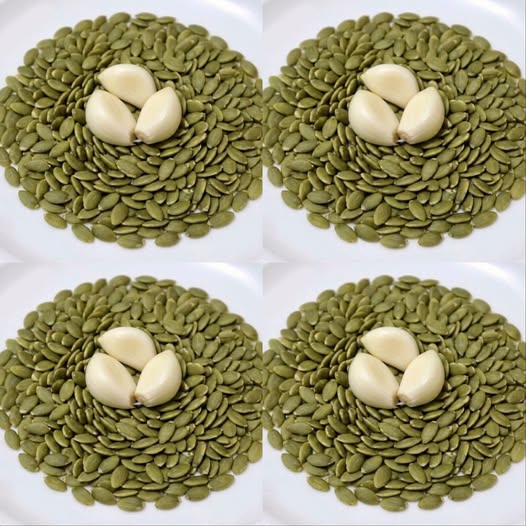

Garlic and Pumpkin Seed Herb Spread
Prep Time: 15 minutes
Cook Time: 3–5 minutes
Total Time: About 20 minutes
Servings: Approximately 12 one-tablespoon portions
This garlic and pumpkin seed herb spread is a savory mixture of toasted seeds, fresh parsley and dill, lemon, spices, and extra-virgin olive oil. It has a thick, rustic texture similar to pesto, with small pieces of pumpkin seed in every spoonful. Spread it on toast, add it to a grain bowl, or spoon it over warm vegetables.
The recipe in your attached text presents the spread as part of a routine for staying active with age. It can certainly add flavor and nutrients to everyday meals, but it cannot by itself treat joint pain or restore mobility. Its most useful role is as an enjoyable addition to a varied diet.
Ingredients
- ½ cup unsalted pumpkin seeds
- 2 fresh garlic cloves
- 2 tablespoons extra-virgin olive oil
- Juice of ½ lemon, approximately 1 tablespoon
- 2 tablespoons chopped fresh parsley
- 1 tablespoon chopped fresh dill
- ½ teaspoon ground cumin
- ¼ teaspoon sweet paprika
- Freshly ground black pepper, to taste
- 1–2 tablespoons water, as needed
- A small pinch of salt, optional
Instructions
- Toast the pumpkin seeds. Place the seeds in a dry skillet over low to medium heat. Stir frequently for 3–5 minutes. Remove them from the heat when they smell nutty and begin to make occasional popping sounds. Watch closely because small seeds can darken quickly.
- Let the seeds cool. Transfer them to a plate rather than leaving them in the hot skillet. Cooling prevents the heat from dulling the fresh herbs when everything is mixed.
- Prepare the garlic. Peel and crush the garlic cloves. If convenient, leave the crushed garlic on the cutting board for about 10 minutes while the pumpkin seeds cool. This step is optional for making a tasty spread; the garlic can also go straight into the food processor.
- Grind the seeds. Add the cooled seeds to a small food processor. Pulse several times until they look like coarse crumbs. Stop before they become a fine powder or seed butter. Keeping a few small pieces gives the finished spread its pleasant texture.
- Add the remaining ingredients. Put the garlic, olive oil, lemon juice, parsley, dill, cumin, paprika, and black pepper into the processor. Pulse until the herbs are chopped and the ingredients are distributed throughout the seeds.
- Adjust the consistency. Add one tablespoon of water and pulse again. If the mixture is too thick to scoop or spread, add the second tablespoon a little at a time. It should be thick enough to sit on toast but soft enough to spoon over a meal.
- Taste. Add a little more lemon juice for brightness, black pepper for warmth, or a small pinch of salt if the spread needs it. Transfer it to a clean serving bowl or a covered container.
What It Tastes Like
Toasting the pumpkin seeds gives the spread a deeper, nuttier flavor. Fresh garlic adds a sharp savory note, while lemon prevents the olive oil and seeds from tasting too heavy. Parsley and dill make the mixture taste fresh, and cumin and paprika add gentle warmth.
The finished spread is intentionally textured. It will not look as smooth as a mayonnaise-based dip. If you prefer a finer consistency, process it longer and add a small amount of extra water. For a thicker topping that you can scatter over vegetables, use less water.
Garlic varies in strength from clove to clove. Two cloves make this a distinctly garlicky spread. If you want a milder flavor, begin with one clove, blend the mixture, and taste it before deciding whether to add the second.
Ways to Serve It
For breakfast, spread a tablespoon over whole-grain toast and serve it with eggs and sliced tomatoes. It also tastes good on toast topped with white beans. The mixture is quite flavorful, so you only need a thin layer.
At lunch, spoon it over a bowl of lentils, rice, and roasted vegetables. The spread adds a nutty, herby finish without requiring a separate sauce. You can also stir a small spoonful into cooked beans just before serving.
For dinner, try it with roasted carrots, cauliflower, zucchini, or potatoes. Add the spread after the vegetables have finished cooking. Their warmth will soften it and release the aroma of the herbs and garlic. It also works as a condiment alongside chicken or fish.
If serving it as a dip, add water a teaspoon at a time until it reaches a softer consistency. Offer it with cucumber slices, carrot sticks, or crackers. Taste again after thinning it, since extra water may make the seasoning seem less noticeable.
Tips for the Best Spread
Use unsalted seeds when possible. They give you more control over the final seasoning. If your pumpkin seeds are already salted, omit the optional salt until you have tasted the finished spread.
Toast gently. The goal is a fragrant, nutty flavor. Deeply browned or burned seeds can make the spread bitter.
Use a small processor. This recipe makes a modest batch. In a large food processor, the ingredients may sit below the blades. A mini chopper works especially well. You can also make it by hand: finely chop the toasted seeds, garlic, and herbs, then stir them together with the liquids and spices.
Add water gradually. One tablespoon may be enough for a toast spread. A second tablespoon makes it easier to spoon over vegetables. Adding too much at once can make the mixture thin.
Taste before serving. Lemon size, herb flavor, and garlic strength all vary. A final adjustment often makes the spread taste more balanced.
Variations
Replace the dill with more parsley if you do not enjoy dill’s flavor. For a brighter spread, add a little finely grated lemon zest. For gentle heat, include a small pinch of crushed red pepper flakes.
You can use the mixture as a starting point for a creamy dip by stirring a spoonful into plain yogurt just before serving. This changes the recipe and its nutritional values, but it is an easy way to make a larger quantity for a vegetable platter.
Storage
Place the spread in a clean, covered container and refrigerate it immediately. Use it within 4 days. For longer storage, freeze small portions and thaw them in the refrigerator when needed. Do not leave the jar on the counter for storage: homemade mixtures of fresh garlic, herbs, and oil require careful refrigeration. The lemon in this recipe adds flavor but does not make it shelf-stable.
Nutritional Information
Estimated per tablespoon: approximately 50–60 calories, depending on the final yield and the brands of seeds and olive oil used. Pumpkin seeds contribute fat, some plant protein, and minerals; olive oil contributes additional fat. This estimate does not include bread or other foods served with the spread.
Benefits
This recipe offers a convenient way to add seeds and fresh herbs to meals. Pumpkin seeds provide nutrients such as protein and magnesium, while the olive oil makes the mixture satisfying and easy to use as a condiment. The main practical benefit is versatility: one small batch can add flavor to several different meals during the week.
For a more substantial meal, pair the spread with a source of protein and plenty of vegetables. For example, serve it with eggs and tomatoes, or add it to a bowl of beans and roasted vegetables. That gives the spoonful a useful place within the whole meal.
Frequently Asked Questions
Can I use raw pumpkin seeds?
Yes. Toasting is recommended for flavor, but the recipe will still work with raw seeds.
Can I make it without a food processor?
Yes. Chop the seeds, garlic, and herbs as finely as you can, then mix them with the oil, lemon juice, spices, and enough water to bind everything together. The texture will be coarser.
How much should I use at once?
One tablespoon is a practical serving for toast or a meal bowl. Use more or less according to your taste and the size of the meal.
Will eating it twice a day improve my joints?
There is no reason to expect this spread alone to produce that result. Enjoy it as food. If walking or getting out of a chair has become difficult, a healthcare professional can help identify the cause and advise on appropriate activity.
Can I leave it out overnight?
No. Keep this fresh garlic and oil mixture refrigerated, and discard it if it has been left out overnight.