
# Glazed Garlic-Herb Roast
## Description
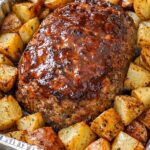
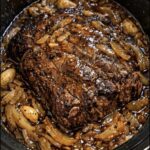
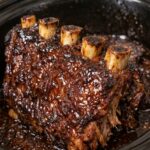
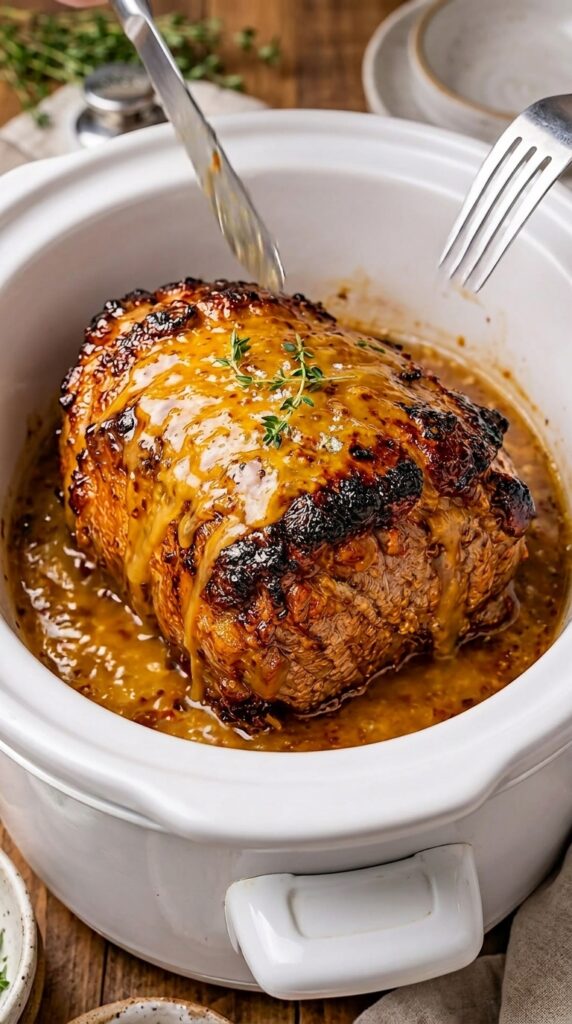
This Glazed Garlic-Herb Roast is a beautifully browned, juicy beef roast coated in a glossy garlic-herb glaze and roasted until tender and richly caramelized. The outside develops a deep golden-brown crust with darker roasted edges, while the inside stays moist and flavorful. Fresh thyme adds an aromatic herbal note, while garlic, butter, and savory pan juices create a luxurious glaze that coats every slice.
It is an excellent centerpiece for a family dinner, holiday meal, Sunday roast, or special low-carb gathering. The recipe keeps the ingredient list focused on the essentials, making it flavorful without unnecessary additions. For a high-protein, low-carb meal, serve the roast with roasted vegetables, sautéed greens, cauliflower mash, or a crisp green salad.
## Servings
6 servings
## Prep Time
20 minutes
## Cook Time
Approximately 60–90 minutes, depending on roast size and desired doneness
## Resting Time
15–20 minutes
## Total Time
Approximately 1 hour 40 minutes
## Ingredients
### For the Roast
* 2½–3 lb beef roast, such as beef sirloin roast, top round roast, or rib roast
* 1½ tbsp olive oil
* 5 cloves garlic, finely minced
* 2 tbsp unsalted butter, melted
* 1 tbsp fresh thyme leaves
* 1 tsp fresh rosemary, finely chopped
* 1 tsp Dijon mustard
* 1 tsp smoked paprika
* 1 tsp salt
* ½ tsp freshly ground black pepper
### For the Garlic-Herb Glaze
* 1 tbsp unsalted butter
* 2 cloves garlic, finely minced
* 1 tsp fresh thyme
* ½ cup beef broth
* 2 tbsp pan juices from the roast
## Instructions
### 1. Prepare the Beef
Remove the beef roast from the refrigerator approximately 30–45 minutes before cooking. Allowing the meat to lose some of its chill helps it cook more evenly.
Pat the roast thoroughly dry with paper towels. Removing excess moisture from the surface is important because a dry exterior browns much better and develops a more flavorful crust.
Place the roast on a clean surface and inspect it for any particularly thick pieces of excess fat. Trim only the unwanted portions, leaving enough natural fat to contribute flavor and moisture during roasting.
### 2. Make the Garlic-Herb Coating
In a small bowl, combine the olive oil, melted butter, minced garlic, fresh thyme, rosemary, Dijon mustard, smoked paprika, salt, and black pepper.
Mix everything thoroughly until it forms a thick, aromatic paste.
The combination of garlic, herbs, butter, and mustard creates the foundation for the roast’s rich exterior flavor. The smoked paprika contributes a warm roasted color and subtle smoky character without overpowering the beef.
### 3. Coat the Roast
Rub the garlic-herb mixture generously over every exposed surface of the beef.
Use your hands or a spoon to make sure the seasoning reaches the sides and ends of the roast. The coating should form an even layer across the exterior.
For even more flavor, gently massage the mixture into the surface for a minute or two.
If time allows, cover the seasoned roast and refrigerate it for several hours. For the best flavor, you can season it several hours ahead of cooking and bring it back toward room temperature before roasting.
### 4. Preheat the Oven
Preheat the oven to 425°F (220°C).
Place the seasoned roast in a roasting dish or oven-safe baking dish. Position the roast with the fattier side facing upward if your cut has a noticeable fat layer.
The initial high temperature helps quickly develop the deeply browned, caramelized exterior visible in the finished dish.
### 5. Begin Roasting
Place the roast into the preheated oven.
Roast at 425°F (220°C) for approximately 15 minutes to encourage browning.
After the initial high-temperature roasting period, reduce the oven temperature to 350°F (175°C).
Continue roasting until the beef reaches your preferred internal temperature.
Because roast sizes and shapes vary, use an instant-read meat thermometer rather than relying solely on cooking time.
For approximately:
* Rare: 120–125°F (49–52°C)
* Medium-rare: 130–135°F (54–57°C)
* Medium: 140–145°F (60–63°C)
* Medium-well: 150–155°F (66–68°C)
Remember that the internal temperature can continue rising several degrees while the meat rests.
### 6. Baste With the Pan Juices
During the later part of cooking, spoon some of the flavorful pan juices over the roast.
This helps keep the exterior glossy and adds another layer of savory flavor.
If the surface begins browning too quickly, loosely cover the roast with foil while allowing it to finish cooking.
Do not wrap the roast tightly, because doing so can soften the beautiful caramelized exterior.
### 7. Prepare the Garlic-Herb Glaze
While the roast is cooking, prepare the finishing glaze.
Place 1 tablespoon of butter in a small saucepan over medium-low heat.
Add the minced garlic and cook gently until fragrant. Avoid burning the garlic.
Add the fresh thyme, beef broth, and reserved pan juices.
Simmer for several minutes until the mixture becomes slightly concentrated and aromatic.
The goal is a glossy, savory finishing liquid rather than a thick gravy. If the mixture becomes too concentrated, add a small splash of beef broth.
### 8. Glaze the Roast
When the beef reaches the desired internal temperature, remove it from the oven.
Brush or spoon the warm garlic-herb glaze generously over the entire surface.
The hot glaze will immediately coat the browned crust, creating the glossy appearance seen in the finished roast.
Allow some of the glaze to run naturally down the sides and collect in the pan. This creates the rich, juicy appearance that makes the roast especially appetizing.
### 9. Rest the Beef
Transfer the roast to a cutting board or serving platter.
Loosely tent it with foil and let it rest for approximately 15–20 minutes.
Do not skip this step.
Resting allows the juices inside the meat to redistribute. If you cut the roast immediately after removing it from the oven, more of those flavorful juices can escape onto the cutting board instead of remaining inside the meat.
### 10. Slice and Serve
After resting, remove the foil.
Using a sharp carving knife, slice the roast against the grain.
Cut thin, even slices for the most tender texture.
Arrange the slices on a warm serving platter and spoon some of the remaining garlic-herb pan juices over the top.
Finish with a few fresh thyme leaves for an attractive presentation.
Serve immediately while the roast is warm and glossy.
## Serving Suggestions
For a high-protein, low-carb meal, pair this roast with simple vegetable-based sides.
Excellent options include:
* Garlic butter green beans
* Roasted asparagus
* Cauliflower mash
* Sautéed spinach
* Roasted broccoli
* Brussels sprouts
* Fresh mixed-green salad
* Roasted zucchini
* Buttered mushrooms
For a more traditional dinner, serve it with mashed potatoes, roasted carrots, or your favorite roast vegetables.
The roast is particularly delicious when the vegetables are served underneath or beside the sliced beef so they can absorb some of the flavorful garlic-herb juices.
## Recipe Notes
The exact cooking time depends heavily on the shape, thickness, starting temperature, and cut of the beef. A thermometer is therefore much more reliable than a fixed cooking time.
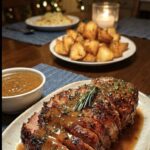
For the juicy appearance shown in the image, medium-rare to medium is generally ideal. Avoid repeatedly cutting into the roast to check doneness because this releases valuable juices.
Fresh garlic gives the strongest flavor, but it should be finely minced so it distributes evenly across the roast.
Fresh thyme works especially well with beef because its earthy, slightly lemony character balances the richness of the meat.
The Dijon mustard does not make the finished roast taste strongly of mustard. Instead, it adds savory depth and helps the garlic-herb coating adhere to the meat.
If your roast has substantial fat on the exterior, you can score the fat lightly before seasoning. This allows the seasoning to penetrate the surface while helping the fat render during roasting.
## Tips for the Best Glazed Garlic-Herb Roast
### Use a meat thermometer
This is the most important tip. Different roasts can require very different cooking times even when they weigh the same.
### Dry the beef first
A dry surface browns more effectively than a wet one. Patting the roast dry helps create the deep caramelized crust.
### Don’t overcrowd the roasting dish
The roast should have enough space around it for hot air to circulate properly.
### Let the oven get fully hot
Starting with a properly preheated oven gives the roast a stronger initial sear and better exterior color.
### Don’t skip resting
Resting is essential for a juicy roast. Give the beef at least 15 minutes before slicing.
### Slice against the grain
Look for the direction in which the muscle fibers run. Slice perpendicular to those fibers rather than parallel to them. This makes each bite considerably more tender.
### Save the pan juices
The juices left in the roasting dish contain concentrated beef, garlic, herb, and butter flavors. They are perfect for spooning over the sliced roast.
### Add the final glaze after roasting
Applying the finishing garlic-herb glaze after cooking keeps its flavor fresh and creates the glossy appearance of the finished dish.
## Nutritional Information
Estimated per serving, based on 6 servings and using a relatively lean beef roast:
* Calories: approximately 430 kcal
* Protein: approximately 48 g
* Total Fat: approximately 25 g
* Saturated Fat: approximately 8 g
* Carbohydrates: approximately 3 g
* Fiber: approximately 0.5 g
* Net Carbohydrates: approximately 2.5 g
* Sugars: approximately 0.5 g
* Sodium: approximately 650 mg
Nutritional values are estimates and can vary according to the exact beef cut, portion size, butter, broth, and amount of seasoning used.
## Benefits
### High in Protein
Beef provides a concentrated source of high-quality protein containing all essential amino acids. Protein is important for maintaining muscle tissue and supporting normal body functions.
### Naturally Low in Carbohydrates
The roast itself contains very few carbohydrates. When paired with low-carb vegetables instead of traditional starchy sides, it can fit well into a low-carb meal plan.
### Rich and Satisfying
The combination of protein, natural beef fats, butter, garlic, and herbs creates a satisfying meal that can help make a simple dinner feel substantial and indulgent.
### Good Source of Important Nutrients
Beef provides nutrients such as iron, zinc, vitamin B12, and selenium. These nutrients contribute to normal energy metabolism, immune function, and red blood cell formation.
### Easy to Turn Into Meal Prep
Once cooled, leftover roast can be sliced and stored for later meals. It works well in salads, lettuce wraps, low-carb sandwiches, omelets, or alongside roasted vegetables.
## Storage and Reheating
Store leftover roast in an airtight container in the refrigerator for up to 3–4 days.
For longer storage, wrap the cooked beef securely and freeze it for up to approximately 2–3 months for best quality.
To reheat, warm sliced beef gently with a small amount of beef broth or reserved pan juices. Avoid overheating because lean beef can become dry.
For meal prep, slice only the amount you plan to eat immediately and keep the remaining roast whole when possible. A whole piece generally retains moisture better than thinly sliced leftovers.
## Frequently Asked Questions
### Q1. Can I use a different beef roast?
Yes. Sirloin roast, top round, rib roast, and similar beef roasting cuts can work. Cooking time will vary depending on the specific cut and size, so always use internal temperature as your guide.
### Q2. Can I prepare the roast ahead of time?
Yes. You can season the beef several hours before cooking and keep it refrigerated. Allow it to sit out briefly before roasting so it isn’t extremely cold when it goes into the oven.
### Q3. How do I keep the roast juicy?
Avoid overcooking it, use a meat thermometer, and allow it to rest before slicing. Slicing against the grain also improves tenderness.
### Q4. Is this recipe low-carb?
Yes. The roast and garlic-herb glaze are naturally low in carbohydrates. Keep the meal low-carb by serving it with vegetables such as cauliflower, broccoli, asparagus, green beans, or leafy greens.
### Q5. Can I make the glaze without Dijon mustard?
Yes. The mustard adds flavor and helps create a flavorful coating, but you can omit it if necessary. The garlic, butter, herbs, and pan juices will still provide plenty of flavor.
## Final Serving Note
For the most impressive presentation, place the whole glazed roast on a white serving platter and spoon the glossy pan juices around the base. Add a few fresh thyme sprigs over the top just before serving. Slice the roast at the table or arrange several juicy slices across the platter so the caramelized crust and tender interior are clearly visible.
This Glazed Garlic-Herb Roast delivers the combination that makes a roast truly special: a deeply browned exterior, juicy tender beef, fragrant garlic and herbs, and a glossy savory finish. It is simple enough for a comforting family dinner but impressive enough to serve as the centerpiece of a special occasion.